
Last updated November 4, 2026
 Wrought iron
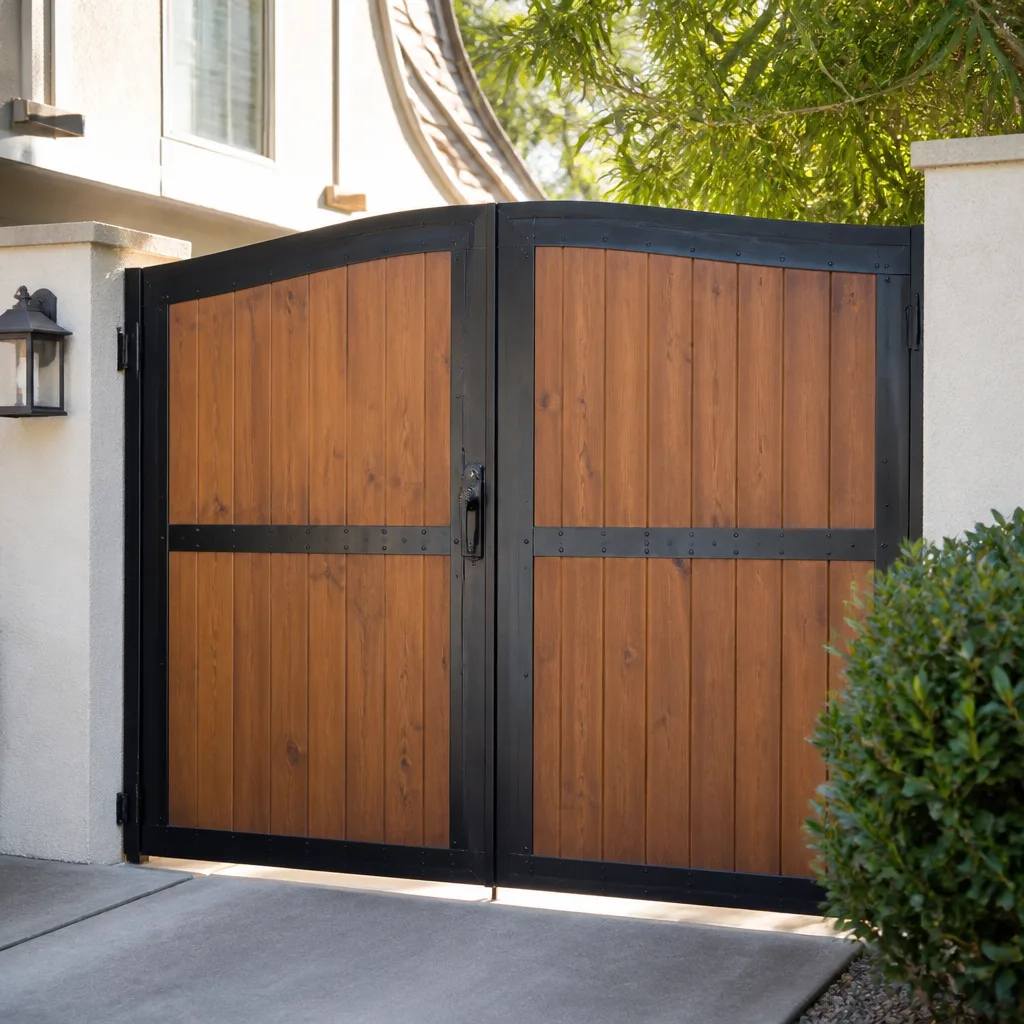 Wood & steel frame
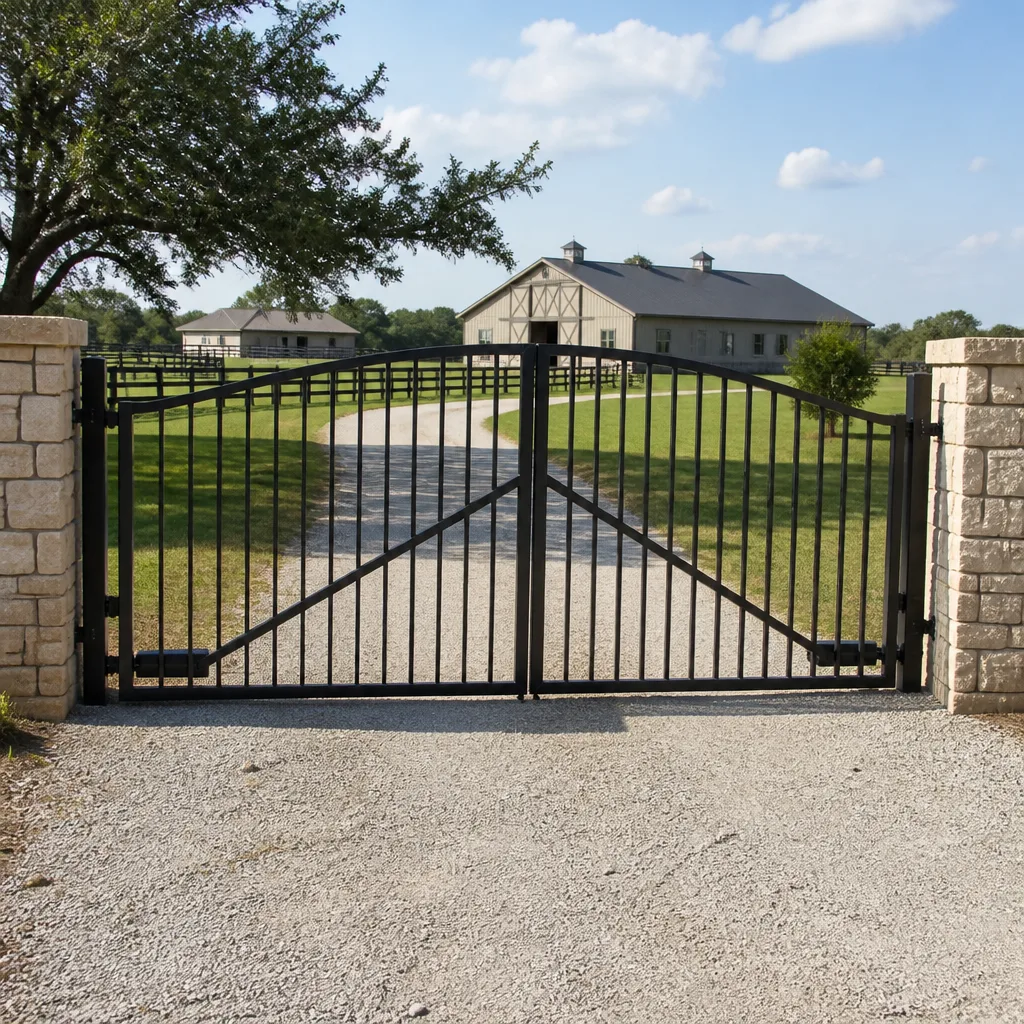 Farm & ranch
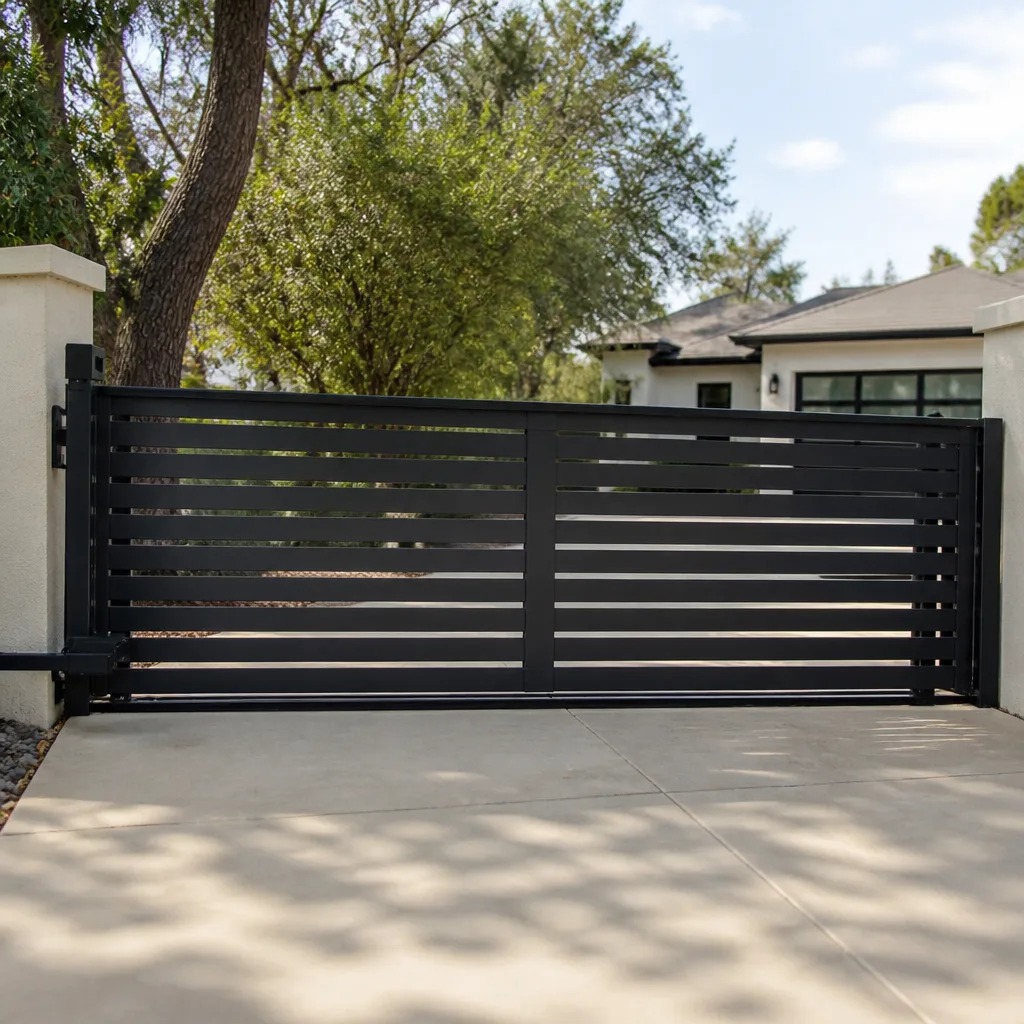 Sliding driveway gates
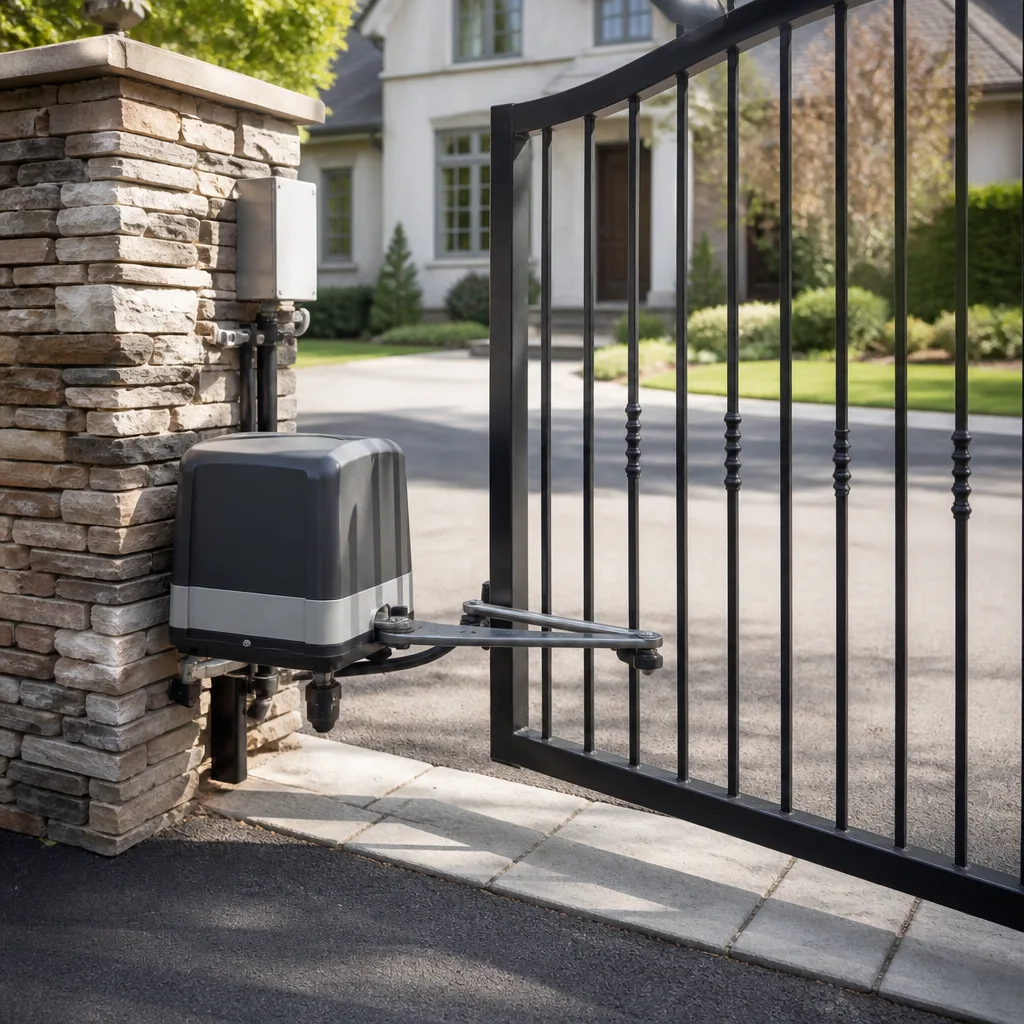 LiftMaster operators
Free on-site gate assessment - hinges, posts, and your LiftMaster or Nice gate operator checked before anything is quoted
The assessment is free and the quote is the invoice.
Get your free estimateGate Repair Troubleshooting in San Jose: Common Problems and How to Fix Them
A gate that reverses before closing isn’t broken, it’s telling you exactly what’s wrong. Most homeowners in San Jose treat a misbehaving automated gate as a mystery to be poked at until something changes. The truth is that gate failures follow predictable patterns, and once you know how to read the symptoms, you can often identify the root cause before you even pick up the phone. This guide walks you through the five most common gate failure categories, maps specific symptoms to specific causes, and tells you which fixes are safe to attempt yourself and which ones call for a technician who does this work every day.
Styles & brands we work with
- Wrought iron
- Wood & steel frame
- Farm & ranch
- Sliding driveway gates
- LiftMaster operators
Quick Answer
Most gate repair troubleshooting in San Jose comes down to five root causes: obstructed or misaligned safety sensors, power supply failures, worn mechanical components, control board faults, and operator motor problems. Start by checking whether the gate has power and whether anything is blocking the photo eyes or the track. If those are clear, the issue is usually electrical or mechanical and requires a multimeter and hands-on diagnosis. Call (877) 358-4473 for a free estimate from a gate specialist who works on LiftMaster, FAAC, BFT, Linear, Viking, Ghost Controls, DoorKing, Elite, and Mighty Mule systems.
Table of Contents
- Symptom-to-Cause Mapping: What Your Gate Is Trying to Tell You
- Safety Sensor Problems: The Most Common Culprit
- Power Supply Failures: When the Gate Won’t Respond at All
- Control Board vs. Motor vs. Wiring: Isolating the Real Failure
- Mechanical Wear: Hinges, Wheels, and Tracks
- Brand-Specific Quirks: Why the Same Symptom Means Different Things
- What You Can Fix Yourself vs. What Needs a Technician
- Common Mistakes to Avoid
- When to Call a Professional
- Frequently Asked Questions
- The Bottom Line
Symptom-to-Cause Mapping: What Your Gate Is Trying to Tell You
A gate that reverses before closing, one that refuses to open, and one that opens but won’t shut all the way are three entirely different problems. Treating them as the same issue wastes time and money. Here’s how to read the signal.
In San Jose, where the heat rises fast in neighborhoods like Blossom Valley during summer afternoons, certain electrical faults show up more on hot days. A capacitor that behaves fine at 70 degrees may fail at 95. A loop detector that drifts out of calibration in warm soil can make a gate behave erratically. Knowing the local climate context helps narrow the diagnosis faster.
Reverse-on-Close
When a gate starts closing and immediately reverses back open, the system thinks something is in the way. That’s the safety logic doing its job. The usual causes are a misaligned photo eye, a dirty lens, an obstruction in the closing path, or a loop detector picking up a false signal. The fix often takes ten minutes, and it’s one of the few repairs a homeowner can reasonably attempt.
Won’t Open at All
No response from the remote or keypad usually points to a power issue or a control board fault. Before assuming the worst, check the breaker and the operator’s power switch. If the unit hums but doesn’t move, the problem is more likely the motor capacitor or a mechanical bind. If there’s no hum and no LED indicators, the board probably isn’t receiving power.
Opens But Won’t Latch
A gate that swings or slides to the closed position but doesn’t actually secure means the limit switch or close-force setting is off. It could also be a mechanical alignment issue: worn hinges on a swing gate, or a track that’s shifted on a slide gate. In San Jose’s dry summer months, wood and metal expand and contract enough to throw off alignment that was perfect in spring.
Opens Halfway and Stops
Intermittent stopping mid-cycle is classic limit switch or obstruction-sensor behavior. On many systems, the gate assumes it hit something and stops for safety. A worn limit switch can trigger this even when nothing is in the way. This symptom is especially common on gates that see heavy daily use, like those on rental properties or busy driveways in San Jose’s residential corridors.
Understanding the symptom category gets you to the right fix without guessing. This is the difference between a repair that holds and one that comes back two weeks later.
Safety Sensor Problems: The Most Common Culprit
Photo eyes and safety loops exist to prevent injuries and property damage. They also happen to be the single most frequent source of gate failures we see in San Jose. When a gate behaves erratically, check the safety system before anything else.
Photo eyes are the small sensors mounted near the bottom of the gate opening, usually on either side. They transmit an invisible beam. If the beam is blocked or misaligned, the gate refuses to close, or it reverses mid-cycle. A branch, a child’s toy, or even built-up dust on the lens can trigger a false obstruction signal.
Safety loops are wires buried under the driveway or in the gate’s path. They detect the metal mass of a vehicle and hold the gate open. In San Jose’s climate, where the ground temperature swings from cool winter mornings to hot valley afternoons, loop detectors can drift out of tune. A loop that’s too sensitive may sense a car in the street and hold the gate open. One that’s not sensitive enough may fail to detect a vehicle at all.
Here’s a straightforward troubleshooting sequence:
- Check for visible obstructions. Walk the full path of the gate. Remove anything within six inches on either side.
- Clean the photo eye lenses. A soft cloth and a little water is all it takes. Dust and spider webs are common in San Jose yards.
- Check photo eye alignment. Most units have a small LED that lights when the beam is aligned. If it’s blinking, the eyes are out of line.
- Test the gate with the safety system temporarily bypassed. If it closes fine, the safety system is the problem. But do not leave it bypassed.
- If loops are involved, call a technician. Loop detector tuning requires a meter and experience. It’s not a guess-and-check job.
We work on safety systems for all nine major brands, and the same basic logic applies across Ghost Controls, DoorKing, Elite, and Mighty Mule. The difference is in the details: where the loop detector terminals sit, what the LED patterns mean, and how the board interprets a blocked sensor. A specialist who knows your specific brand gets to the answer faster.
One more thing worth knowing. A gate that behaves perfectly during the day and then acts up at night often has a photo eye that’s picking up headlight glare or a nearby streetlight. This is a common issue on San Jose streets where cars approach gates at an angle. An alignment tweak usually solves it.
Power Supply Failures: When the Gate Won’t Respond at All
When nothing happens, no hum, no click, no LED lights, the first question is whether power is reaching the operator. This sounds obvious, but a surprising number of service calls in San Jose end at a tripped GFCI outlet or a breaker that got switched off during landscaping work.
Most residential gate operators plug into a standard 120-volt outlet inside a weatherproof box near the gate. Commercial operators are often hardwired. Start by checking the outlet with something you know works, like a phone charger or a work light. If the outlet is dead, check the breaker panel. Many San Jose homes have gate circuits tied to exterior outlets, and a tripped GFCI downstream can kill the whole circuit.
If power is confirmed at the outlet, the next checks are inside the operator housing. A blown fuse on the control board or a tripped thermal breaker on the motor will silence the entire unit. These failures are more common in summer, when San Jose afternoons push 90 degrees and operators in direct sun run hotter than their components like.
Battery backup systems add another layer. Many operators in San Jose have batteries for use during PG&E outages. If the battery is dead and the transformer is fine, the gate may still refuse to operate. Test by disconnecting the battery and running on transformer power only. A battery that’s more than three or four years old is usually at the end of its life.
The wiring between the house and the gate matters too. Rodents chew wires. Weed trimmers nick them. Underground conduit fills with water over time. A wire fault can be intermittent, which makes it one of the harder problems to pin down without a multimeter and a methodical approach. If you’ve confirmed power at the outlet and the operator still won’t respond, the issue is almost certainly inside the housing or in the run between points, and that’s technician territory.
For anyone dealing with an electric gate repair that involves wiring faults, the important thing is not to keep resetting breakers and hoping. A short that trips once will trip again, and repeated resets can damage the control board.
Control Board vs. Motor vs. Wiring: Isolating the Real Failure
This is where most San Jose homeowners lose time, and where generalist handymen burn through parts guessing. When a gate operator fails, it’s usually one of three things: the control board, the motor, or the wiring between them. Replacing the wrong one wastes money and may not fix the symptom.
The control board is the brain. It reads inputs from the remote, the keypad, the safety sensors, and the limit switches, and it tells the motor what to do. When the board fails, the symptoms can be anything: a gate that opens but won’t close, a gate that works from the keypad but not the remote, a gate that runs fine for a week and then locks up. Board failures are often heat-related, which makes them show up on hot San Jose afternoons.
The motor is the muscle. A failing motor usually announces itself with a change in sound: louder humming, a grinding noise, or a sluggish start. The gate may move slower than it used to before it stops moving at all. Motor failures are common on high-use commercial gates or on any gate that’s been pushing against a binding hinge or track for months.
The wiring is the nervous system. A loose terminal, a corroded connection, or a nicked wire can produce symptoms that mimic board or motor failure. The gate may work sometimes and not others. It may respond to the remote but not the keypad. These intermittent faults are the hardest to diagnose from a distance and the easiest to misdiagnose up close.
Here’s the isolation process we use, in order:
- Confirm power at the board terminals. If the board has no power, nothing else matters.
- Check the board’s LED indicators. Most quality boards have diagnostic lights that show input status and fault codes. The pattern tells you a lot.
- Test the motor directly. Apply power to the motor terminals and see if it runs. If it does, the motor is fine and the board or wiring is suspect.
- Check continuity on the wiring run. A multimeter across each conductor identifies breaks, shorts, and high-resistance connections.
- Test inputs one at a time. Remote, keypad, safety loop, photo eye. Isolate each input and see how the board responds.
This process is the same regardless of brand, but the details vary. A DoorKing board has different diagnostics than a Ghost Controls board. A LiftMaster motor tests differently than an Elite motor. That’s where brand familiarity pays off. A technician who sees the same systems every week knows what normal looks like and spots abnormal fast.
The key takeaway: don’t replace the motor because the gate won’t move. Confirm the board is sending power to the motor first. That single check saves hundreds of dollars and days of frustration.
Mechanical Wear: Hinges, Wheels, and Tracks
Not every gate problem is electrical. Mechanical wear is the slow, predictable degradation of the parts that move, and in San Jose’s climate, it’s a year-round process. Dry summer heat bakes metal and plastic. Winter rain gets into bearings and hinges. Over time, the gate gets harder to move, and the operator works harder to move it.
Swing gates fail at the hinges first. A heavy gate hanging on worn hinges sags. The latch side drops. The gate drags on the ground or catches on the strike plate. The operator’s close-force setting compensates for a while, then it starts reversing because the resistance looks like an obstruction. A sagging swing gate is a mechanical problem that masquerades as an electrical one.
Slide gates wear at the wheels and the track. Worn wheels cause the gate to wobble and bind. A bent track section stops the gate cold. Debris in the track, pebbles, leaves, caked dirt, is the most common cause of a slide gate that stops midway. In San Jose, where dry landscaping gravel is popular, small stones in the track are a regular culprit.
Here’s what to look for:
- Sagging gate leaf. Stand back and look at the top line of the gate. If it’s not level, the hinges are worn or the post has shifted.
- Grinding or scraping sounds. The gate is dragging on something. Find the contact point and fix the alignment, not just the noise.
- Slow operation. A gate that moves slower than it used to is usually working against mechanical resistance.
- Visible wheel wear. Flat spots on slide gate wheels or a track that’s shiny on one edge are signs of misalignment.
- Rust at the hinge or track. San Jose’s winter dampness gets into unprotected metal. Surface rust is cosmetic. Structural rust is a problem.
Mechanical repairs matter because they protect the operator. A gate that binds at the hinge makes the motor work harder, which shortens the motor’s life. Fix the mechanics early and the whole system lasts longer.
Gate installation is part of our work too, and when a repair reveals wear that’s beyond reasonable repair, replacement is sometimes the honest answer. A gate that’s sagging because the hinges have wallowed out the post isn’t going to be fixed by adjusting the close force. It needs the post addressed and the gate re-hung. Gate repair in San Jose often starts with a mechanical inspection for exactly this reason.
Brand-Specific Quirks: Why the Same Symptom Means Different Things
A gate that reverses before closing on a Ghost Controls system often points to a photo eye issue. The same symptom on a DoorKing board can indicate a loop detector falsely detecting a vehicle. Same symptom, different root cause, because different brands handle safety inputs differently.
This is the practical value of working with someone who knows multiple brands intimately. When you’ve seen the same symptom across nine different platforms, you learn what each brand’s control board considers normal, what its failure modes look like, and which components wear out first on which systems.
Take Mighty Mule, a popular residential brand. Its operators are known for being DIY-friendly and accessible, but they’re also sensitive to low voltage. A gate that runs fine when the house voltage is steady and acts up when the AC kicks on may have a marginal power supply that nothing else would notice. An Elite operator, with commercial DNA, handles voltage swings differently but has its own quirks around limit switch calibration. Ghost Controls systems are generally reliable but have a specific LED blink pattern for photo eye faults that’s easy to misread if you don’t know the code.
The point isn’t that one brand is better than another. It’s that each brand has a personality, and knowing that personality shortens the diagnostic path. When a technician arrives already knowing that a DoorKing 9150 behaves differently than a Mighty Mule MM371W under the same conditions, they spend less time testing and more time fixing.
We work on all of these systems, and the brand-specific knowledge means we don’t guess. If the gate says DoorKing on it, the diagnostic approach starts from what we know about DoorKing’s engineering choices. If it’s a Ghost Controls unit, the approach shifts. Diagnosed, not guessed.
This also means the repair uses the right parts. A generic capacitor that fits the housing may not match the board’s expected tolerance. Brand-matched parts reduce the chance of a repeat failure. From the opener to the hinge, the system works as a whole.
What You Can Fix Yourself vs. What Needs a Technician
Some gate repairs are genuinely safe for a capable homeowner. Others involve risks that aren’t worth taking: high-voltage wiring, heavy moving panels, and control boards that cost hundreds of dollars to replace if you damage them. Knowing the line is part of being a smart property owner.
Here’s what you can safely do yourself:
- Clear obstructions. Remove debris from the gate’s path and track. This requires no tools and fixes a surprising number of problems.
- Clean photo eye lenses. A soft cloth, a little water, done.
- Check and reset the breaker. Find the right breaker, switch it fully off and back on, and see if the gate responds.
- Adjust the close-force or limit setting slightly. Most operators have simple adjustment screws or buttons. Follow the manual. Make small changes, one at a time, and test after each.
- Lubricate hinges and wheels. Use a dry lubricant appropriate for gate hardware. It reduces wear and quiets the gate.
What needs a technician:
- Control board replacement. Boards are static-sensitive and expensive. Miswiring a replacement can damage it on first power-up.
- Wiring faults. Tracing a broken or shorted wire through conduit takes a multimeter, experience, and respect for 120-volt circuits.
- Motor or capacitor replacement. Capacitors store a charge even after power is disconnected. They can give you a serious jolt.
- Loop detector installation or tuning. Getting a safety loop right means knowing the brand’s requirements and testing with a real vehicle.
- Heavy gate panel work. A swing gate that’s come off its hinges or a slide gate that’s left its track is heavy enough to cause real injury. Technicians use proper lifting methods and equipment.
One thing we always say: if you’re uncomfortable with any step, stop. A gate that’s partially disassembled and abandoned is harder to fix than one that was left alone. We answer 24/7 at (877) 358-4473 if you want to talk through what you’re seeing before you touch anything. Fast dispatch from 7am to 7pm, Sunday through Friday.
For San Jose homeowners specifically, the heat adds a wrinkle to DIY work. Working on a gate operator in the sun on a hot afternoon is uncomfortable and leads to rushed decisions. Early morning is the better time, both for you and for the equipment.
Gate Repair Blossom Valley handles the full range from simple mechanical adjustments through complete Blossom Valley gate installations, so whatever you find during troubleshooting, you’re not left hanging at the halfway point.
Common Mistakes to Avoid
- Repeatedly resetting the breaker. If a breaker trips more than once, there’s a fault. Resetting it repeatedly stresses the circuit and can turn a simple repair into a board replacement.
- Assuming the motor is bad. Motors fail, but they’re rarely the first thing to go. Board faults, wiring issues, and mechanical binds all mimic motor failure. Test before replacing.
- Adjusting force settings to overcome a mechanical problem. Crank up the close force and the gate will force its way through a bind, for a while. Then the motor burns out. Fix the bind, not the setting.
- Ignoring photo eye alignment. Photo eye problems are the most common and most easily fixed gate issue. Skipping this check adds hours to any diagnostic process.
- Using the wrong lubricant. Grease on a slide gate track collects dust and grit in San Jose’s dry summers and turns into grinding paste. Use a dry lubricant made for gate hardware.
- Buying generic parts to save money. A generic control board or off-brand sensor may fit the housing but not match the system’s logic. The money saved disappears in the time spent chasing a problem that never quite goes away.
- Ignoring slow degradation. A gate that’s been getting slower, noisier, or more erratic over months isn’t going to fix itself. Early intervention is almost always cheaper than waiting for total failure.
When to Call a Professional
Call a professional when the problem involves wiring, a control board, a motor, or a gate that’s come off its track or hinges. Call when you’ve done the basic checks and the gate still isn’t working. Call when the gate works sometimes and not others, because intermittent faults don’t get easier with age. And call when you’re not sure whether an adjustment is safe: a gate panel is heavier than it looks, and a capacitor holds charge longer than you’d expect.
Gate Repair Blossom Valley offers free estimates in San Jose. Call (877) 358-4473. We answer 24/7. Fast dispatch from 7am to 7pm, Sunday through Friday. The estimate sets the price before any work starts, so you know what you’re paying for before we turn a wrench.
Frequently Asked Questions
Gate repair in San Jose varies based on what’s actually wrong, but most repairs fall into a predictable range by component type. A photo eye alignment or limit switch adjustment is typically the least expensive fix, often resolved in a single visit. Control board replacement costs more because of the part itself. Motor replacement sits in the middle. The exact price depends on your specific system, and we set the price by written estimate before any work starts. Call (877) 358-4473 for a free estimate on your specific gate.
We dispatch technicians from 7am to 7pm, Sunday through Friday. Same-day service is often possible depending on the schedule when you call. We answer 24/7, so if the gate fails in the middle of the night, you can call and get booked into the next available dispatch window. Call (877) 358-4473 and we’ll tell you exactly what’s available.
Reversing before closing is a safety response, and the most common causes are a blocked photo eye, a misaligned sensor, an obstruction in the gate’s path, or a loop detector triggering falsely. Check for visible obstructions and clean the photo eye lenses first. If the problem persists, the issue is likely in the sensor alignment or loop tuning, which requires a technician. Call (877) 358-4473 and we’ll walk through what you’re seeing.
We work on LiftMaster, FAAC, BFT, Linear, Viking, Ghost Controls, DoorKing, Elite, and Mighty Mule systems. That covers most residential and commercial operators found in San Jose. If your brand isn’t on that list, call us anyway. The diagnostic principles carry across brands, and we’ll tell you honestly if it’s something we can help with. Call (877) 358-4473.
A failing control board often shows itself through erratic behavior: the gate works from the remote but not the keypad, or it randomly stops working and comes back, or it won’t respond to any input even though power is confirmed. LED indicators on the board provide diagnostic information, and a technician with a multimeter can test board inputs and outputs directly. Call (877) 358-4473 for a diagnosis. The estimate is free.
Basic adjustments like close-force and limit settings are safe for most homeowners if you follow the manufacturer’s manual and make small changes. Anything involving the control board’s internal wiring, the motor, or the capacitor calls for a technician. Capacitors store charge and can deliver a serious shock even after the power is off. If you’re unsure, call (877) 358-4473 and we’ll help you decide.
The Bottom Line
Most gate failures in San Jose trace back to one of five categories: safety sensor issues, power supply problems, control board faults, motor problems, and mechanical wear. Mapping your symptom to the right category gets you to the fix faster, whether that’s a ten-minute DIY adjustment or a technician’s visit. The gate is a system, and the components work together. Treating it that way instead of replacing parts on hunches saves time, money, and frustration. When you’ve checked the obvious and the gate still isn’t working, the smart move is a diagnosis from someone who knows the brand and knows San Jose gates. Call (877) 358-4473. We answer 24/7. Fast dispatch from 7am to 7pm, Sunday through Friday.
Written by the team at Gate Repair Blossom Valley, serving San Jose since 2015.
See the difference
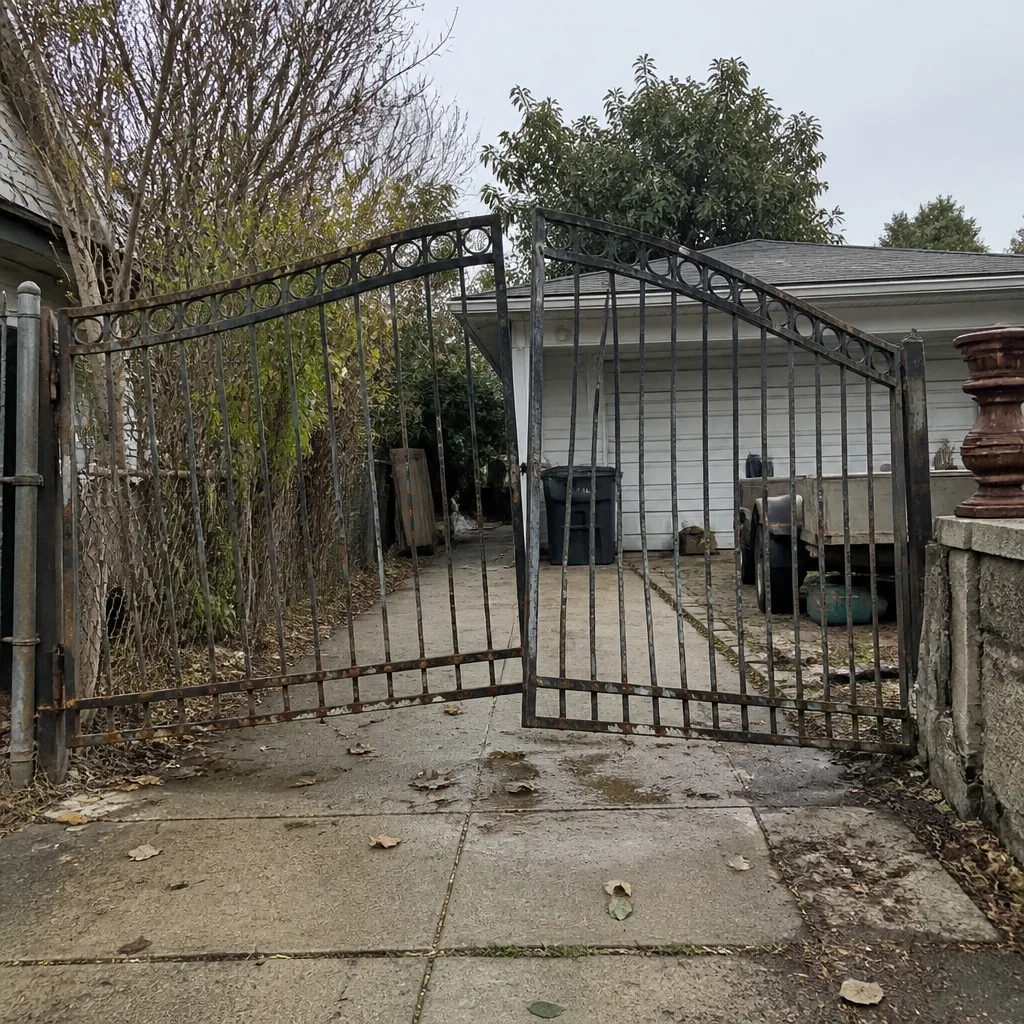 Before
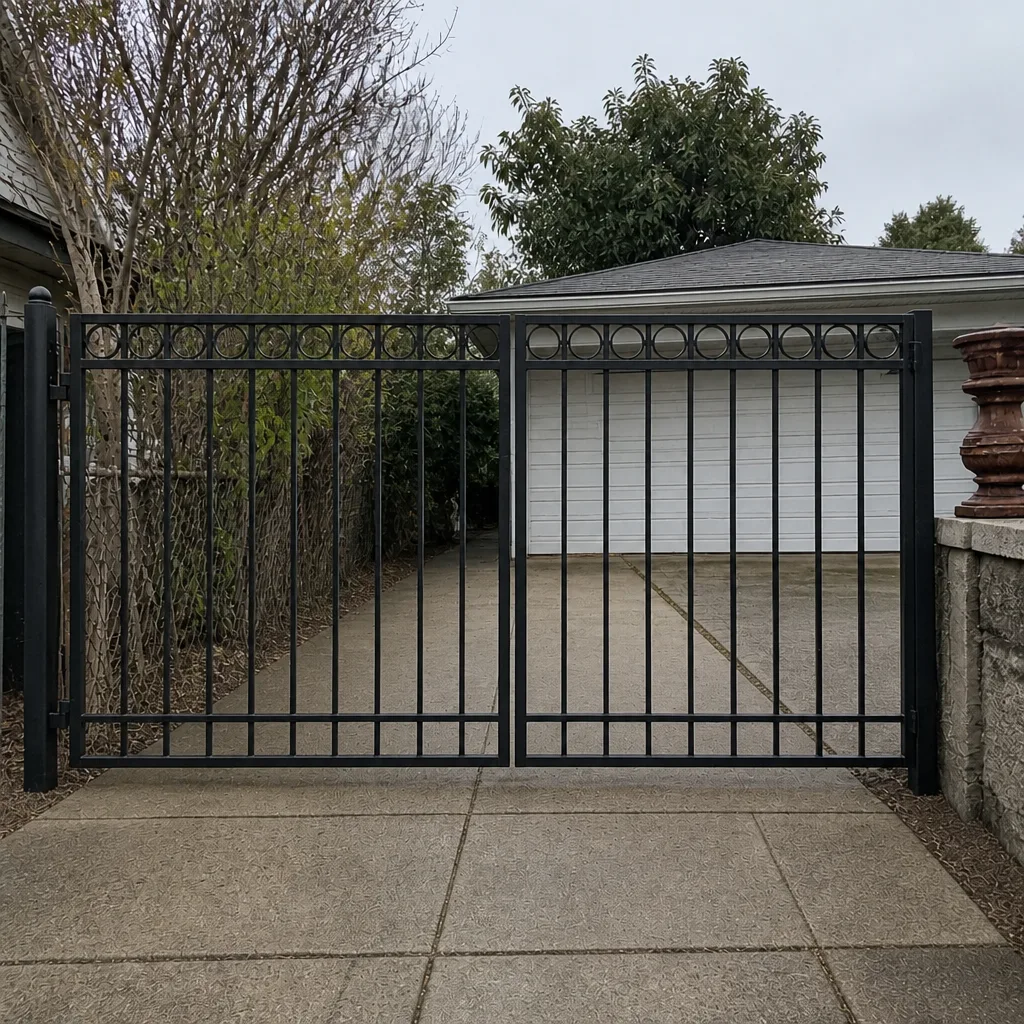 After
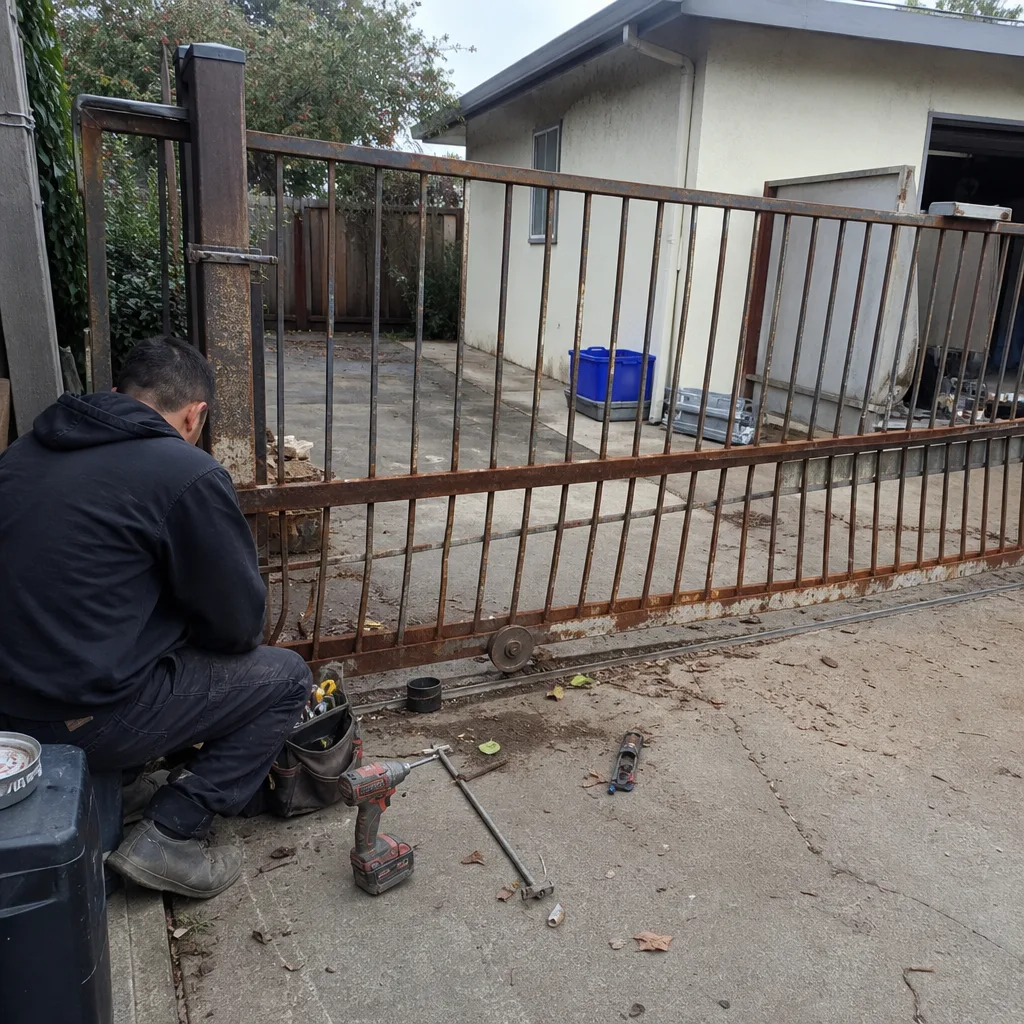 Before
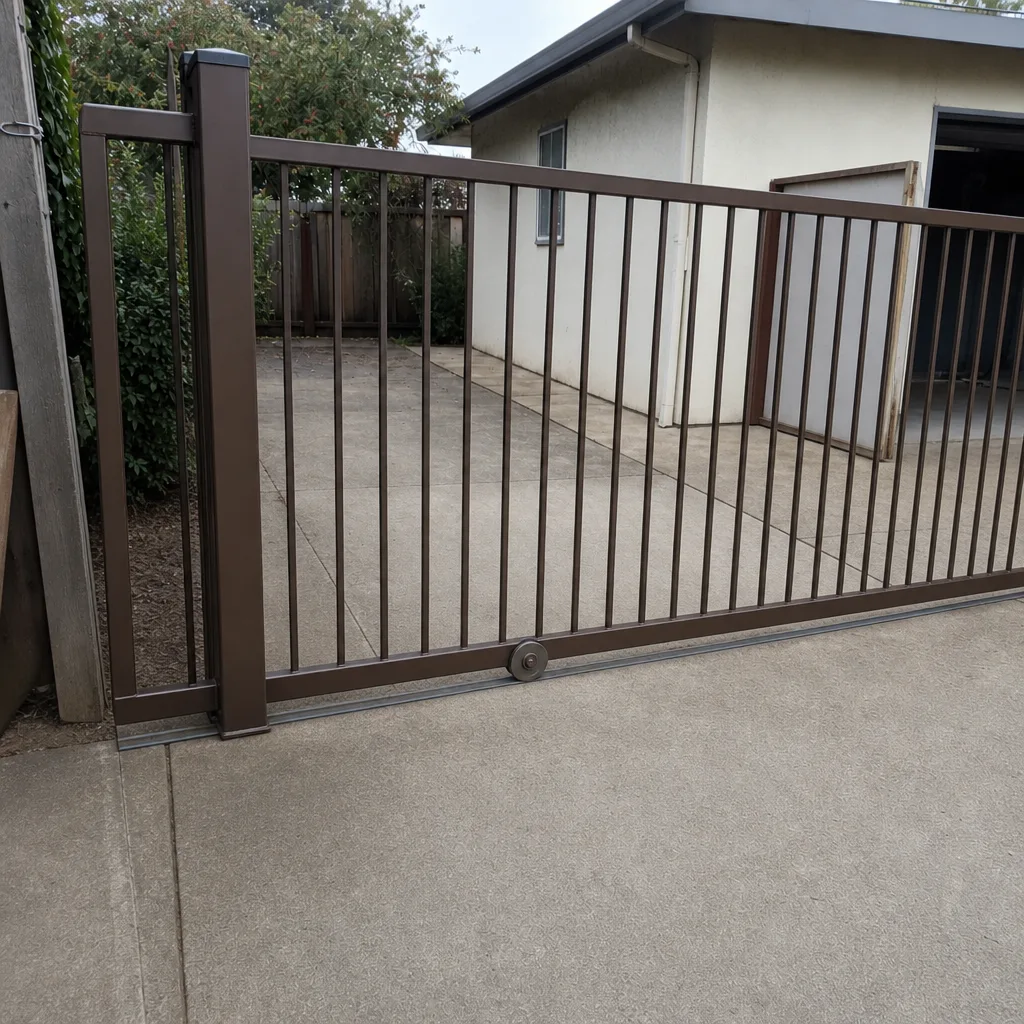 After
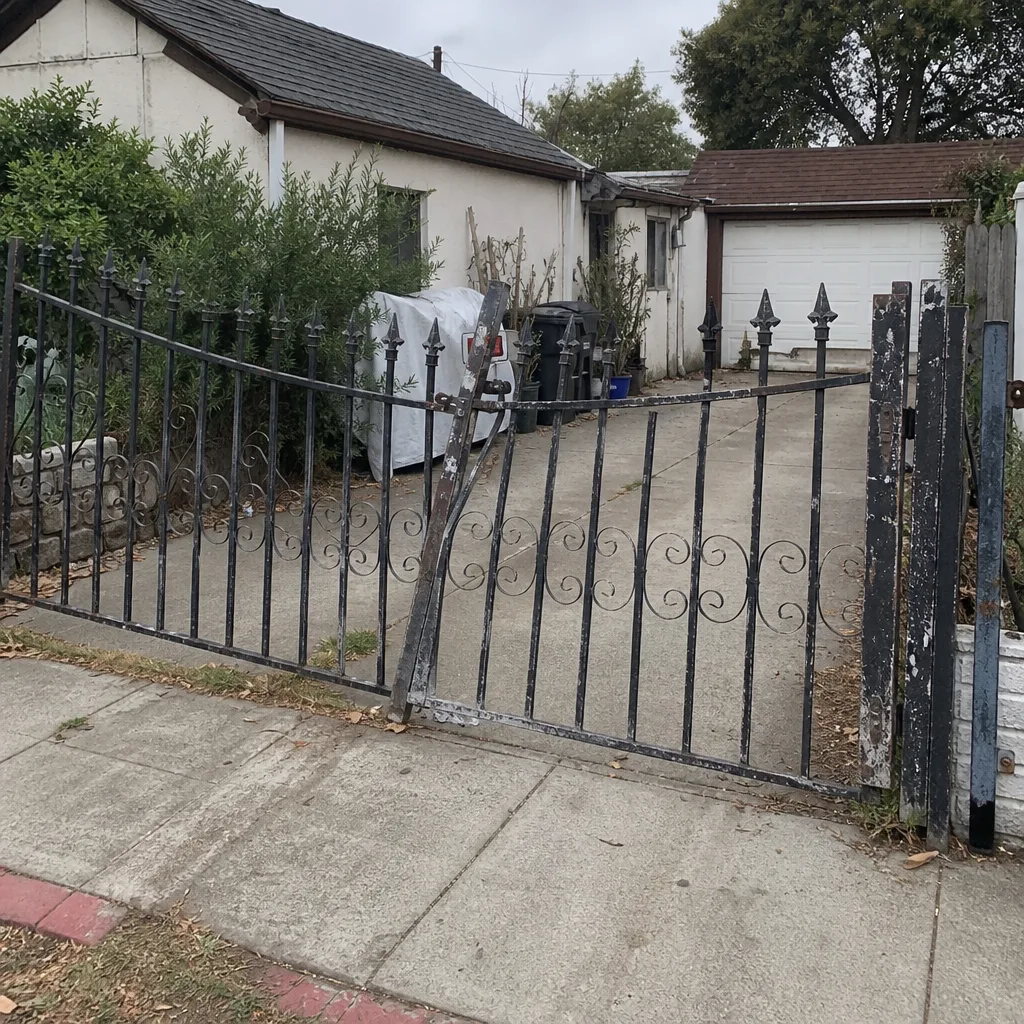 Before
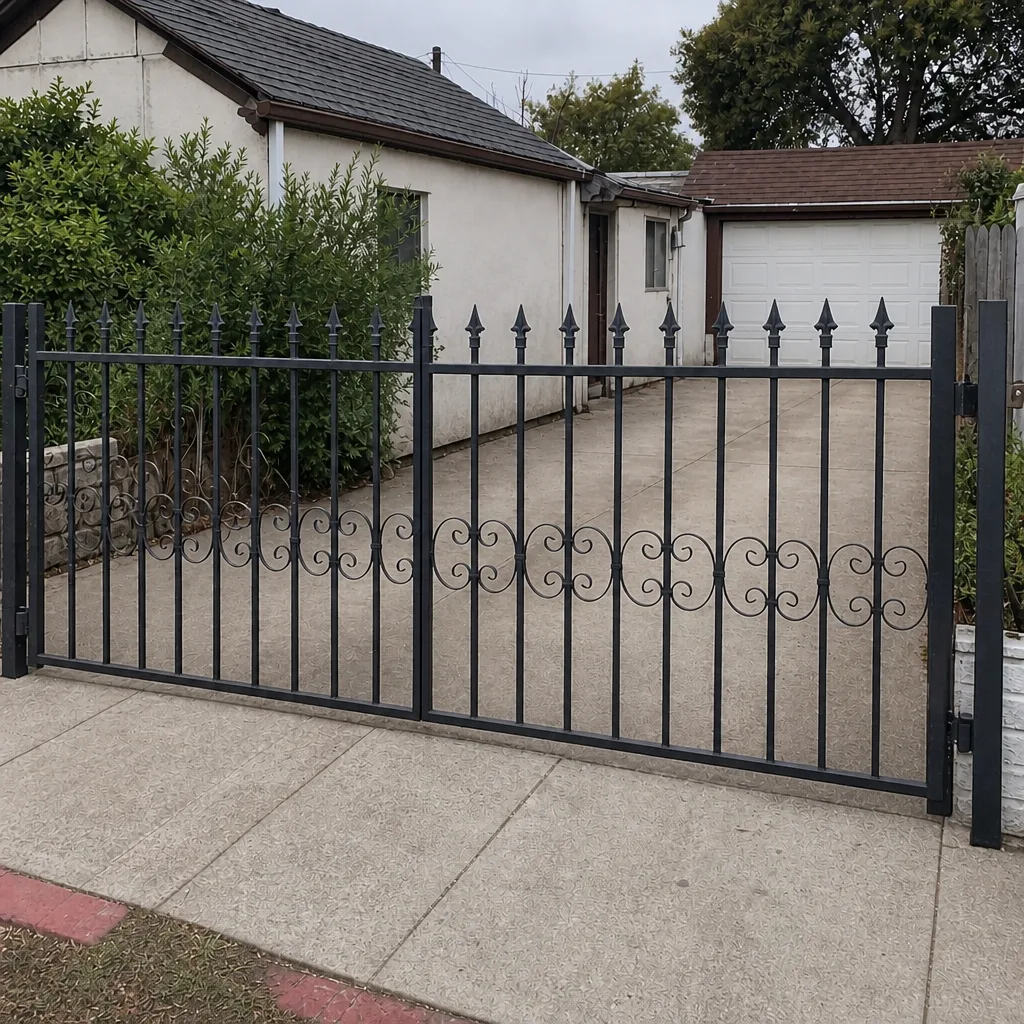 After