
Last updated November 4, 2026
 Wrought iron
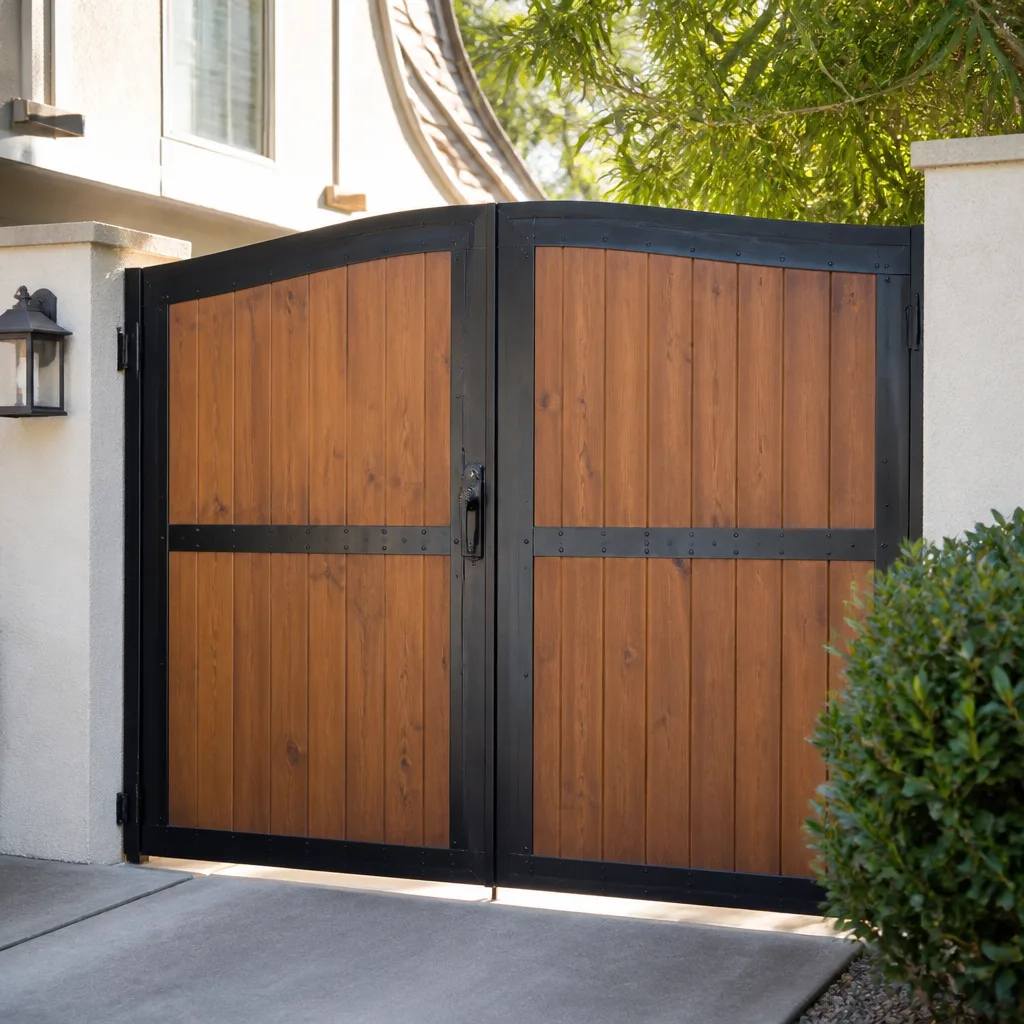 Wood & steel frame
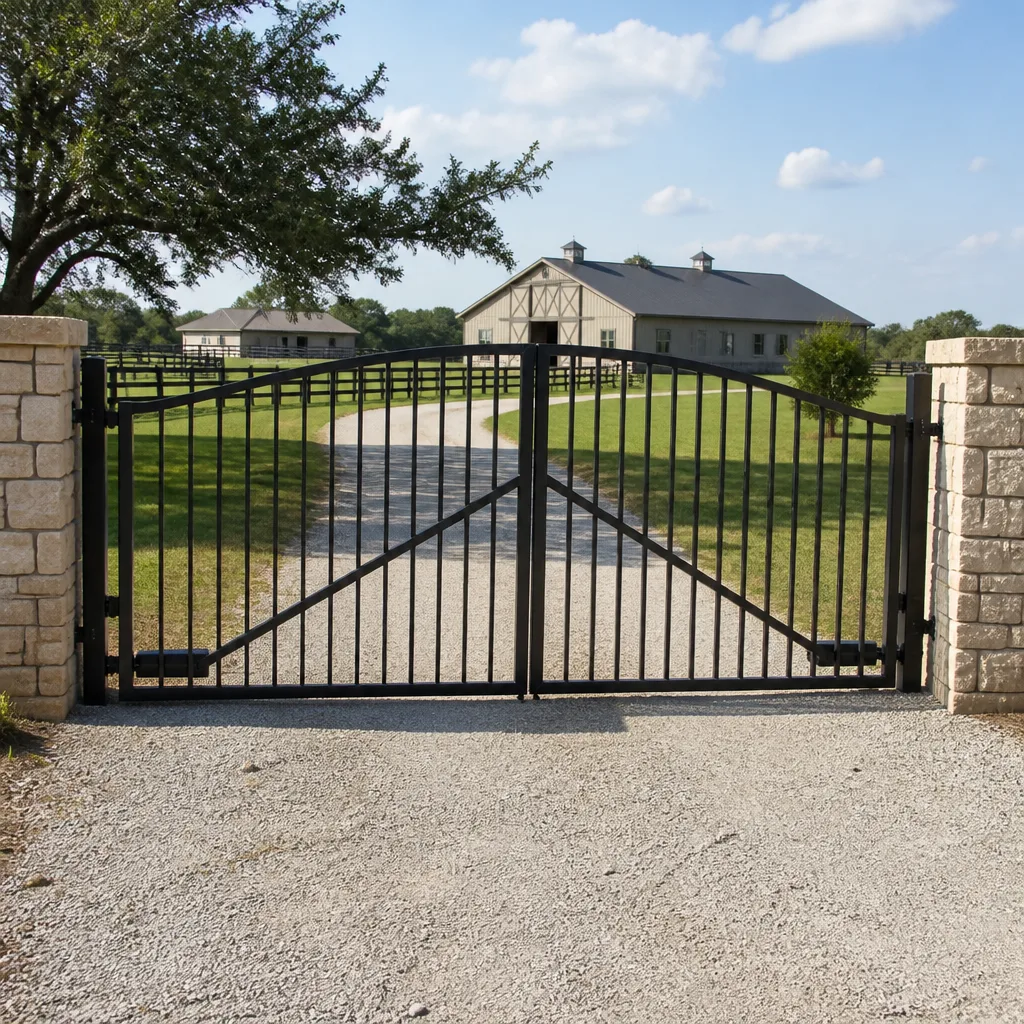 Farm & ranch
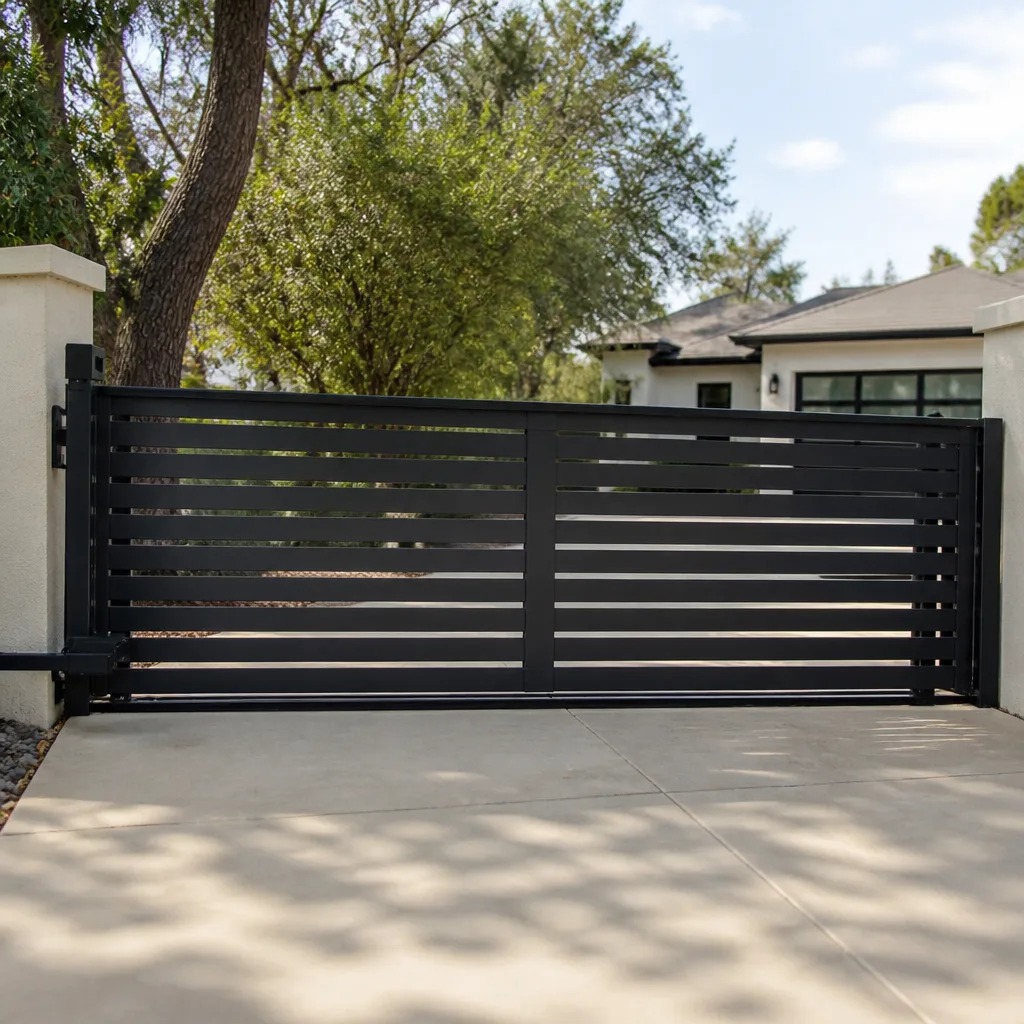 Sliding driveway gates
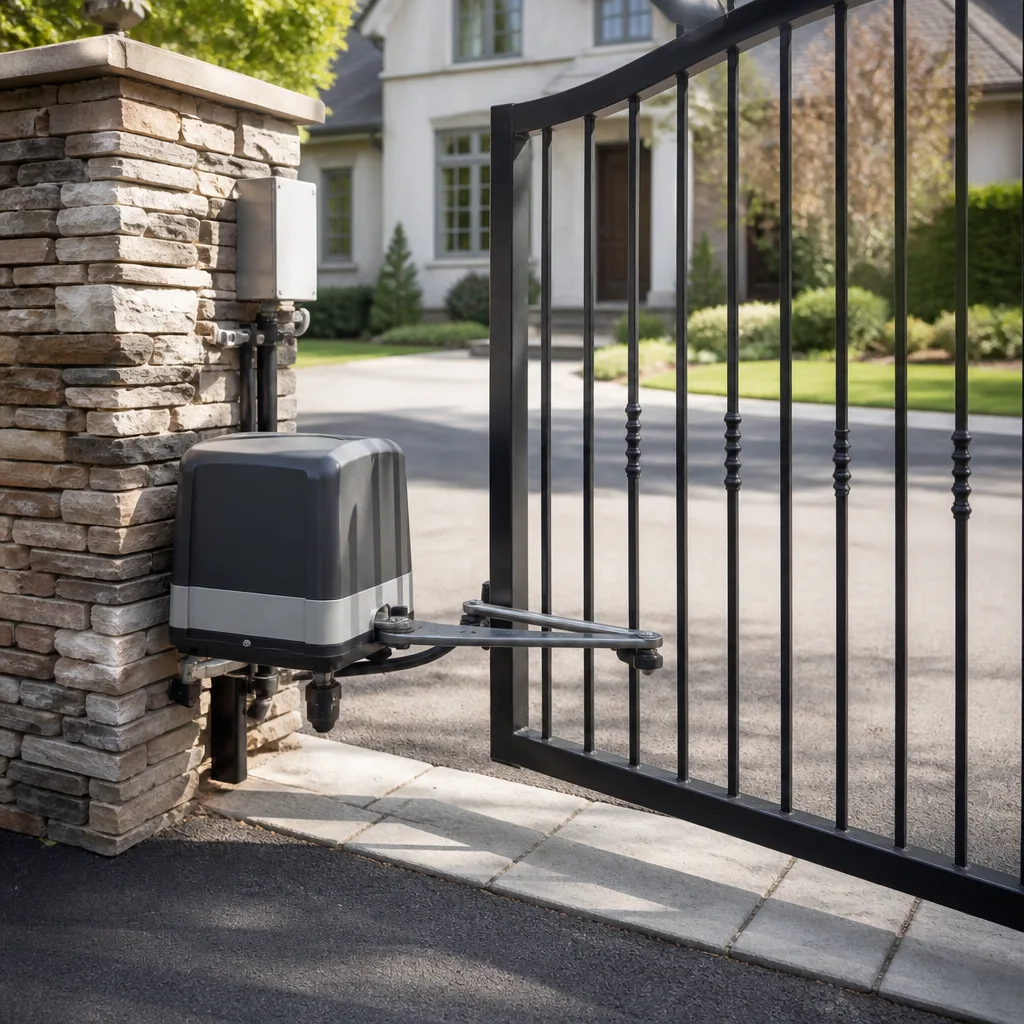 LiftMaster operators
Free on-site gate assessment - hinges, posts, and your LiftMaster or Nice gate operator checked before anything is quoted
The assessment is free and the quote is the invoice.
Get your free estimateGate Repair Permits, Codes & Inspections in San Jose, CA: What You Need to Know
Most homeowners assume that if they’re replacing a gate operator with a nearly identical unit, no permit could possibly be required. That assumption is wrong in a specific way that matters in San Jose. The trigger isn’t always whether the work is new construction; sometimes it’s whether the replacement operator has a different force or entrapment protection profile than the unit that failed. If the new motor is rated differently, San Jose’s code can classify the job as an alteration rather than a repair, and that distinction changes everything about what you owe the city and what your installer owes you. This guide walks through the exact thresholds, the UL 325 requirements nobody mentions until an inspector shows up, the HOA overlays in Blossom Valley and Almaden Valley, and what happens when unpermitted work surfaces during a home sale in San Jose.
Quick Answer
Most gate repair work in San Jose, including hinge replacements, sensor swaps, and control board repairs, does not require a city permit. The work that typically does require review or inspection includes altering the gate’s structural posts, upgrading to a higher-force operator, relocating the gate to a new position, or changing the electrical supply in a way that adds a new circuit rather than replacing an existing one. When you call Gate Repair Blossom Valley, we can assess whether the repair path you’re on falls under repair or alteration, so you’re not filing paperwork you don’t need or skipping paperwork you do.
Styles & brands we work with
- Wrought iron
- Wood & steel frame
- Farm & ranch
- Sliding driveway gates
- LiftMaster operators
Table of Contents
- Repair vs. Alteration: Where the Permit Line Actually Sits in San Jose
- UL 325 and Entrapment Protection: What Changes After an Operator Swap
- When an Electric Gate Operator Swap Becomes an Electrical Permit Item
- HOA Overlay Rules in Blossom Valley and Almaden Valley
- How to Verify Your Contractor Actually Pulled the Permit
- Unpermitted Gate Work and the San Jose Home Sale Timeline
- Common Mistakes to Avoid
Repair vs. Alteration: Where the Permit Line Actually Sits in San Jose
San Jose’s code enforcement approach to gates comes down to one question: are you restoring the gate to its original condition, or are you changing what the gate is capable of doing? This is the distinction between repair and alteration, and it’s the first thing any knowledgeable gate repair company should clarify before ordering parts. A repair restores original function. An alteration changes the system’s footprint, force, electrical draw, or structural anchoring. The permit requirement follows that distinction, not the size of the invoice.
In our experience, here’s how that line plays out on real San Jose properties:
- Hinge replacement, wheel replacement, or panel straightening: No permit needed. This is maintenance that restores the existing gate to working condition without changing its support structure or opening geometry.
- Control board replacement with an identical part: No permit needed. Swapping a failed board for the same model does not change the operator’s force profile or entrapment protection logic.
- Safety sensor or photo eye replacement: No permit needed, so long as the replacement sensor is installed in the same protection zone and meets the same UL 325 category as the original.
- Replacing a post that has rotted or shifted: This is where San Jose gets more particular. If the post is being replaced in-kind at the same dimension and depth, most contractors treat it as repair. If the post is being moved or upsized, that’s an alteration, and we recommend asking the city’s building department whether a permit is expected.
- Installing a new operator when the original gate was manual: This is always an alteration. The gate is gaining a motor, which means new electrical work, new safety requirements, and a new set of inspection obligations.
The trickier scenario, and one specific to San Jose’s code interpretation, is the operator swap with a different force rating. If the failed operator was a light-duty residential unit and the replacement is a heavier-duty model from a brand like BFT or Viking that pulls more amperage and exerts more closing force, the city can view that as new equipment installation rather than like-for-like repair. The practical consequence is that the replacement should be reviewed before installation, not after.
We recommend asking two questions before any operator replacement in San Jose: Is the new unit the same model or same force class as the old one? Is the electrical supply being extended, moved, or added to? If the answer to either question is no, it’s worth a call to the permit counter before the work begins.
UL 325 and Entrapment Protection: What Changes After an Operator Swap
UL 325 is the safety standard that governs automated gate operators in the United States, and it matters for anyone in San Jose who owns a powered gate. The standard is not a city code, but San Jose enforces it through the installation and inspection process. When a new operator goes in, or when an existing one is repaired in a way that changes its control logic, UL 325 compliance becomes the central question. This is where electric gate repair diverges from mechanical gate work: the mechanical repair might not trigger UL 325, but anything touching the operator’s control board or motor logic often does.
The standard requires two entrapment protection zones on most automated gates. The first is the primary zone, which is the physical area where the gate meets the fence or wall. The second is the secondary zone, which the gate travels through as it opens or closes. The specific protection devices vary by gate type:
- Slide gates typically need a monitored photo eye across the opening and a contact edge or equivalent on the leading edge.
- Swing gates need protection at the hinge pinch points and at the closing edge, either through photo sensors, contact edges, or a combination.
- Vertical pivot and vertical lift gates have different requirements based on the lowest exposed edge when fully open and fully closed.
After any operator replacement, these protection devices should be verified as functional and correctly positioned. A repair that replaces the operator but leaves a damaged or misaligned safety edge is not UL 325 compliant, even if the gate opens and closes. That’s the kind of gap that surfaces later, usually during a real estate transaction or a neighbor complaint.
For anyone working with Ghost Controls or Linear openers on a residential property in San Jose, the UL 325 conversation often starts with the existing wiring. Many older installations lack monitored sensors, and the owner may not realize that the original installation predates stricter protection requirements. A repair that touches the operator can become the moment those requirements catch up with the property.
We tell San Jose property managers this: if your gate operator is being repaired or replaced, ask the technician to confirm the entrapment protection zones before they leave. If they can’t answer, that’s a signal to get a second opinion before the work closes out.
When an Electric Gate Operator Swap Becomes an Electrical Permit Item
The electrical side of gate work in San Jose is where the permit conversation gets concrete. San Jose’s electrical code enforcement applies to any work that adds or modifies a circuit, not just work that touches the panel. For an automated gate, the relevant question is whether the operator is being connected to an existing circuit without modification, or whether the circuit itself is being changed.
Here’s the practical breakdown:
- Replacing a failed operator with the same make and model: This is generally treated as a repair. The circuit is already there, the load is unchanged, and the operator is being connected to the existing supply. No electrical permit expected.
- Replacing an operator with a different model from the same brand: This gets case-specific. If the new model draws the same amperage and connects to the same supply point, many San Jose electricians treat it as repair. If the amperage changes, the circuit may need re-evaluation.
- Replacing an operator with a heavier-duty model from a different brand: This is where we often recommend checking with the city. A residential operator from Ghost Controls and a high-cycle operator from BFT are not the same electrical load, and the existing circuit may not be sized for the change.
- Adding a new electrical run to a gate that was previously manual: This is new electrical work and requires a permit. The circuit does not exist, the wiring is new, and the city needs to inspect it.
- Relocating the operator or moving the power source: This is an alteration, not a repair, and generally requires both building and electrical review.
The lesson for San Jose homeowners: don’t assume that a gate operator swap is a simple parts exchange. The electrical load matters, and a technician who knows the spec sheets across Viking, Linear, Ghost Controls, and BFT can tell you whether the swap changes what the circuit sees. That diagnostic step can save you from discovering the problem during a building inspection later.
One more San Jose-specific note: many of the older homes in neighborhoods surrounding Blossom Valley have exterior outlets that were originally installed for landscape lighting, not gate operators. If the gate was added later and wired to that existing circuit, the circuit may already be marginal. Any operator replacement that raises the load should trigger a review, not just a bolt-on swap.
HOA Overlay Rules in Blossom Valley and Almaden Valley
San Jose’s municipal code is not the only layer of gate regulation. In many of the city’s planned communities, especially in Blossom Valley and Almaden Valley, HOAs maintain their own architectural and safety standards that sit on top of city requirements. These HOA rules often go further than the city in specific ways, and they’re enforced through a different mechanism: the architectural review process, not the building permit process.
What do these overlay rules typically cover? Based on the paperwork we’ve seen from San Jose HOAs over the years:
- Gate height and style consistency: Many HOAs require that any new gate match the community’s established material, color, and height profile. Replacing a gate with one that’s taller or built from a different material may need HOA architectural approval even if the city never looks at it.
- Motor and operator specifications: Some HOAs in Almaden Valley have noise limits on gate operators, which pushes certain projects toward quieter units from brands like Viking or Ghost Controls rather than high-cycle commercial operators. These are aesthetic and noise rules, not safety rules, but they’re enforced with equal seriousness.
- Setback and visibility requirements: An HOA may require that the gate sit a certain distance from the street or that sight lines be preserved for pedestrian safety. Moving a gate’s position often triggers HOA review before any city permit conversation happens.
- Parking and service access during construction: Some HOAs limit the hours when heavy equipment can be on-site, which affects installation scheduling even though it has nothing to do with the city.
The key distinction for any San Jose homeowner in a governed community: the HOA process and the city permit process are separate tracks, and completing one does not satisfy the other. A gate installation that sails through city review can be blocked or fined by the HOA, and vice versa. We recommend checking both before committing to any gate alteration.
If you’re in Blossom Valley, the HOA question is particularly relevant because the community’s gate stock is aging. Many of the gates installed when the neighborhoods were built in the 1970s and 1980s are reaching end-of-life at the same time, which means replacement projects are common. The HOA rules that applied to the original installation may have changed since then, and the current rules are the ones that matter.
How to Verify Your Contractor Actually Pulled the Permit
Here’s a scenario we hear about from San Jose property owners more often than we’d like: a contractor quotes a gate replacement, includes a line item for “permits and inspections,” and then never files anything with the city. The homeowner paid for the permit, but the permit doesn’t exist. The work gets done, the invoice gets paid, and the missing permit surfaces years later during a sale or a city review.
San Jose makes it possible to verify permit status without relying on the contractor’s word. The city’s permit portal allows property owners to search by address and see what permits have been issued, what’s pending, and what’s been closed. Here’s the step-by-step verification process we recommend to any Blossom Valley or Almaden Valley homeowner taking bids on gate work:
- Ask for the permit number before the work starts. If the contractor says they’ve pulled the permit, they should be able to provide the number. No number, no permit.
- Search the property address through San Jose’s online permit portal. The permit should appear under the address, listed as issued or at least in process.
- Check the permit type. A gate operator swap with electrical implications should have an electrical permit. A structural gate relocation should have a building permit. If the permit type doesn’t match the work, ask why.
- Verify the contractor’s name on the permit. Some contractors have pulled permits under a different company name than the one on the invoice. That’s a red flag.
- Track the inspection status. A permit that’s issued but never inspected is not the same as a closed permit. The inspection is what matters for future sale disclosure.
If a contractor claims the work doesn’t require a permit and you’re not sure whether to believe them, you can call San Jose’s building department directly and ask. The department staff are generally helpful with this kind of question, and a five-minute call is cheaper than a failed inspection later.
What we tell our own customers in San Jose: the written estimate should say whether a permit is included, and if it is, the permit number should be available before installation day. If it isn’t, that’s a conversation to have before the first post hole is dug.
Unpermitted Gate Work and the San Jose Home Sale Timeline
San Jose’s real estate market is competitive, and buyers in this market are thorough. Pre-sale inspections are standard, and many buyers bring their own inspectors in addition to the standard home inspection. An automated gate that was added or modified without the required permits is exactly the kind of finding that creates liability exposures at the closing table.
Here’s how unpermitted gate work typically surfaces in a San Jose home sale:
- The buyer’s home inspector flags the gate operator or the electrical supply. If the installation looks newer than the surrounding structure and no permit is on record, the inspector will note it.
- The seller’s disclosure form creates a legal obligation. In California, sellers are required to disclose known unpermitted work. Failing to disclose can create liability after the sale closes.
- The buyer’s lender or insurer asks about the gate. Some lenders and insurance carriers have specific questions about automated gates and require proof that the installation was permitted and inspected.
- The city’s records don’t match the property. A buyer’s title search or the permit search during escrow may turn up the gap between what’s on the property and what’s on file.
The exposure is real, but it’s also manageable. The resolution path is usually to pull a permit after the fact, have the work inspected, and correct any code issues the inspector finds. That’s a manageable process, but it’s slower and more expensive than doing it right the first time. In a San Jose market where closing timelines are often compressed, discovering this weeks before closing is a position no seller wants to be in.
For buyers, the question to ask is simple: is there a closed permit on file for the automated gate? If the answer is no, the negotiation should reflect that. For sellers, the question is slightly different: do we know whether the gate work was permitted, and do we have the paperwork to prove it? If the answer is no, getting a retrospective permit and inspection before listing is usually the cheaper path than negotiating repairs mid-escrow.
This is the test. If your San Jose home has an automated gate and you’re not sure whether the work was ever permitted, that’s worth checking now, while there’s no deadline. The San Jose permit portal makes the search straightforward, and the answer determines whether you have a clean sale or a disclosure problem waiting to surface.
Common Mistakes to Avoid
- Assuming all operator swaps are repairs. In San Jose, replacing a failed operator with a different force model can classify the job as an alteration, and that changes the permit conversation. Check the force rating before assuming it’s a straight swap.
- Paying for a permit that doesn’t exist. A contractor who charges for permits and filing should be able to produce a permit number tied to your address. Verify it through San Jose’s portal before paying the invoice.
- Ignoring the HOA because the city doesn’t care. In Blossom Valley and Almaden Valley, the HOA’s gate height, motor noise, and setback rules can block a project even when San Jose’s building department has no objection.
- Overlooking UL 325 safety zones after an operator replacement. A new operator is not compliant just because it opens and closes. The entrapment protection devices need to be verified as functional and correctly placed.
- Adding an operator to a manual gate without checking the electrical circuit. Many older San Jose homes have exterior circuits sized for landscape lighting, not for a new gate motor. The electrical load question should be answered before installation.
- Waiting until escrow to find out the gate work was unpermitted. Pulling a retrospective permit mid-sale is slower and more stressful than resolving it before listing. The time to check is when you’re not under a closing deadline.
- Skipping the inspection because the permit was issued. A permit that’s open but never inspected is not the same as a closed permit. The inspection is what protects you during a future sale or insurance review.
When to Call a Professional
You don’t need to become a permit expert to own an automated gate in San Jose, but you do need to spot the moments when the permit question matters. If you’re replacing an operator with a different model, adding electricity to a manual gate, relocating a gate post, or preparing to sell a home with a powered gate, those are the conversations where a knowledgeable technician saves you time and exposure. The same applies when an HOA in Blossom Valley or Almaden Valley questions your gate’s height, style, or motor specification. Gate Repair Blossom Valley offers free estimates in San Jose. Call (877) 358-4473 to talk through the repair path, the permit question, or the sale-disclosure issue. We answer 24/7.
See the difference
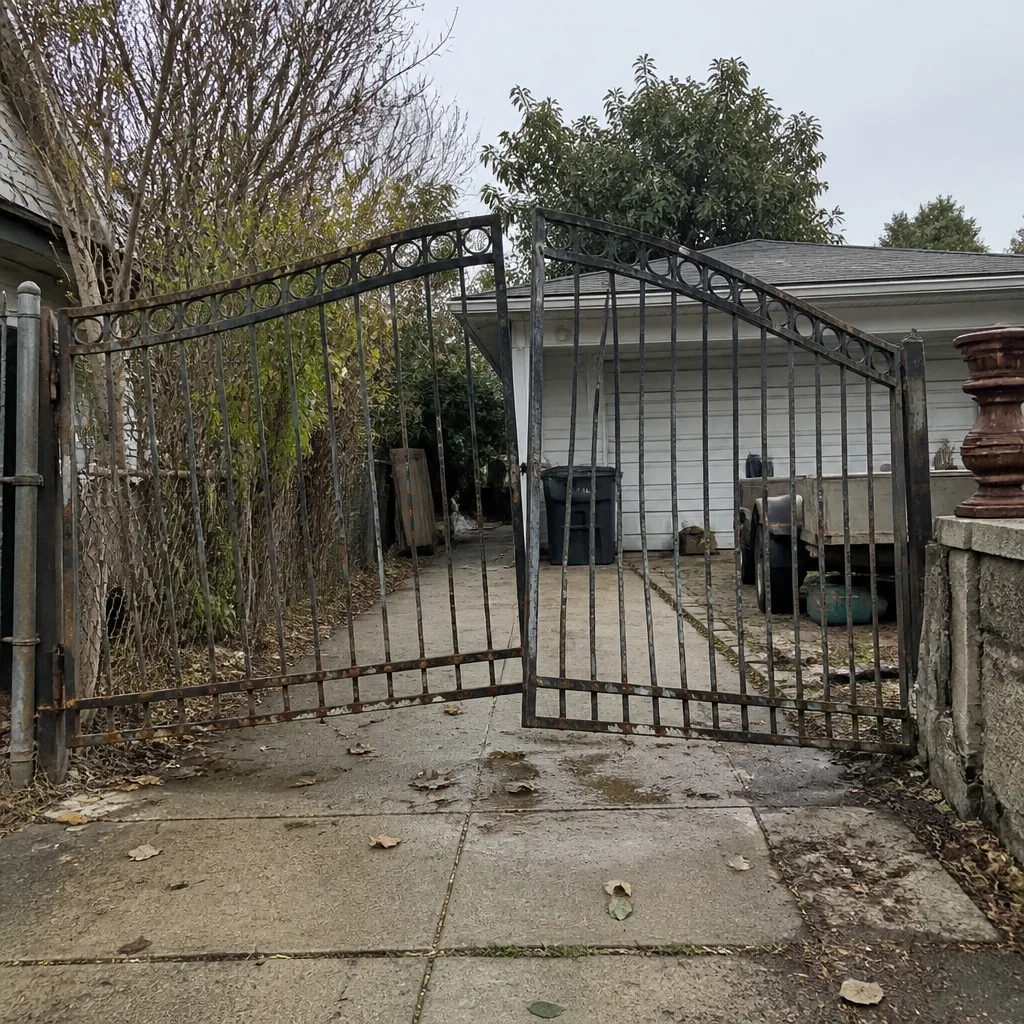 Before
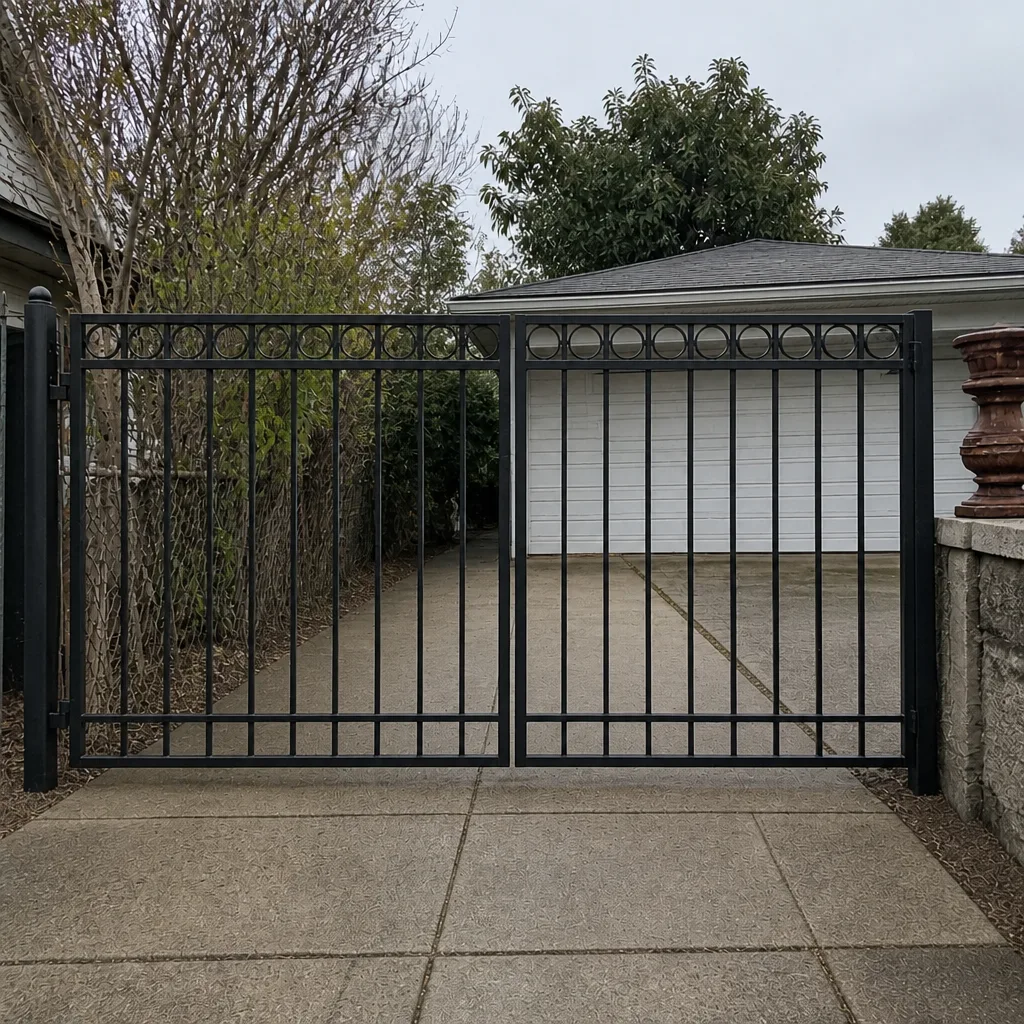 After
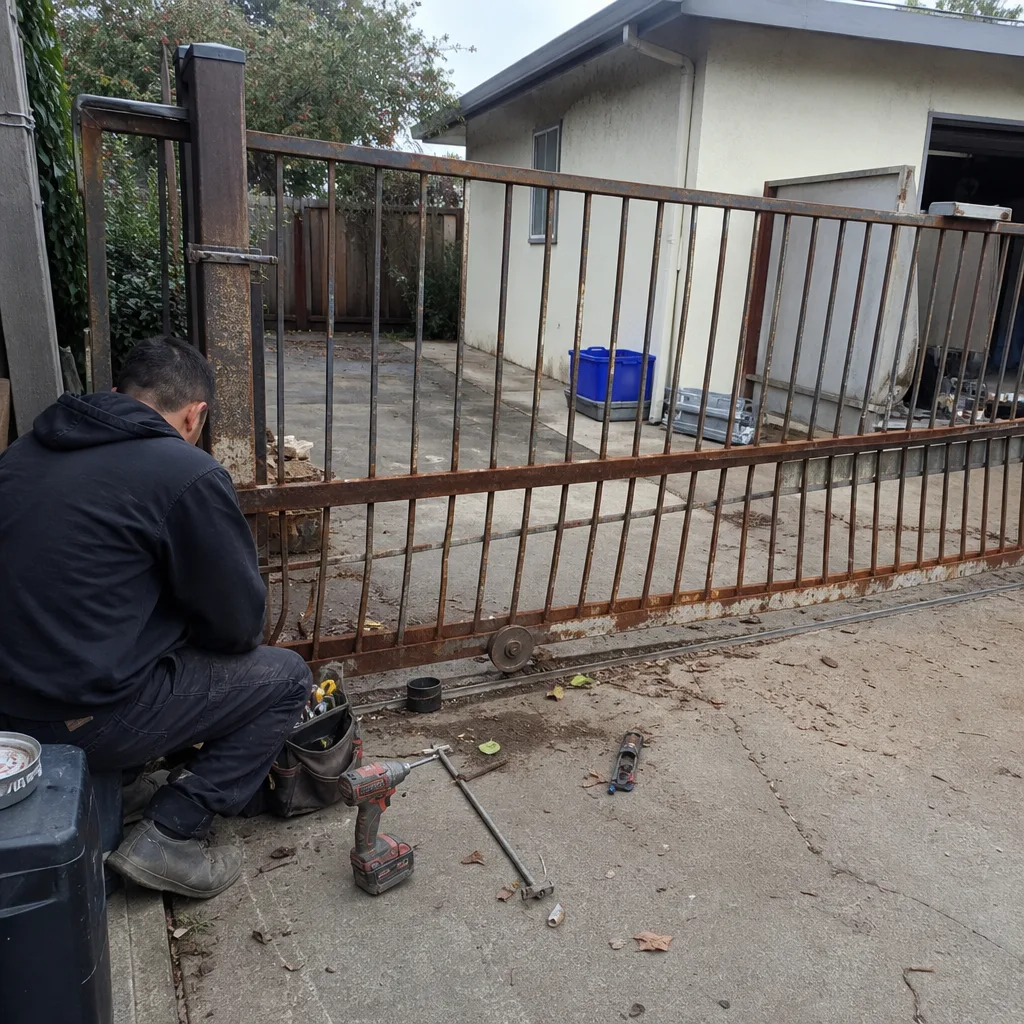 Before
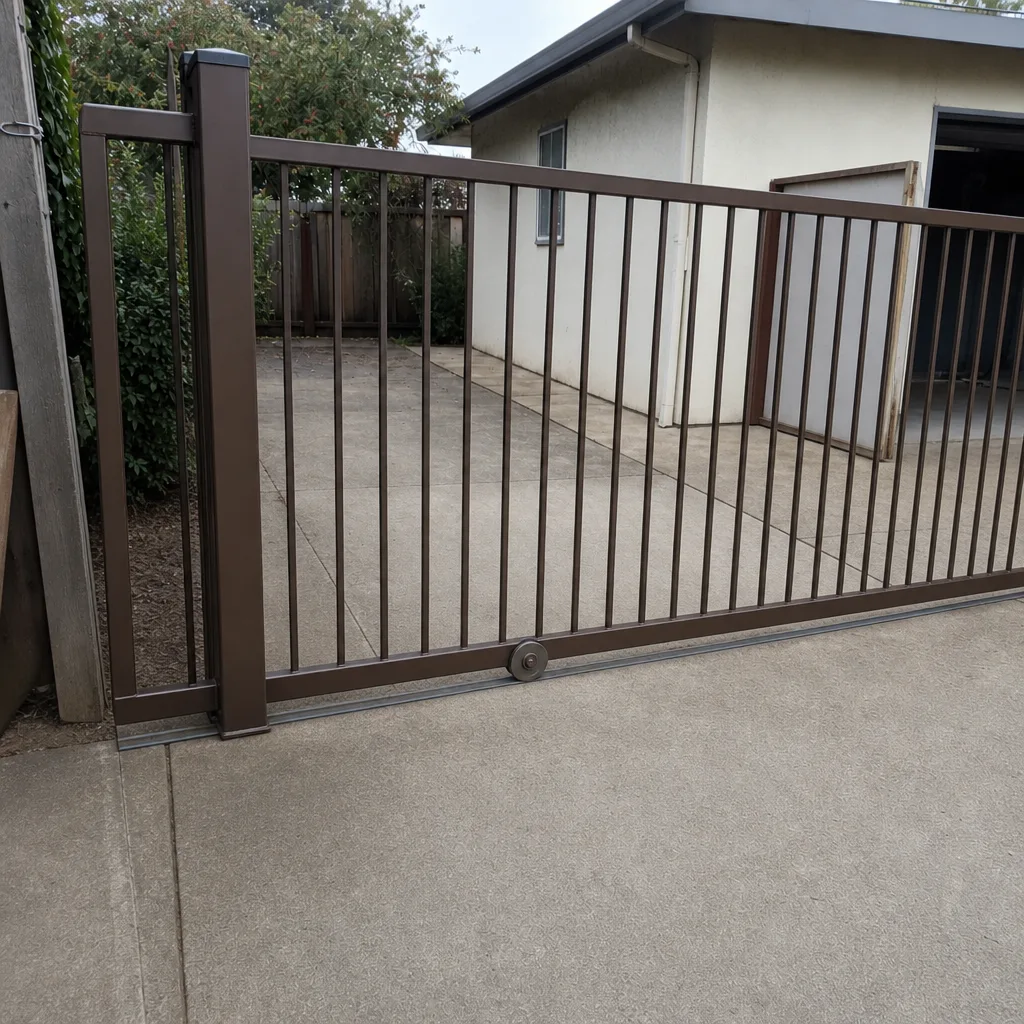 After
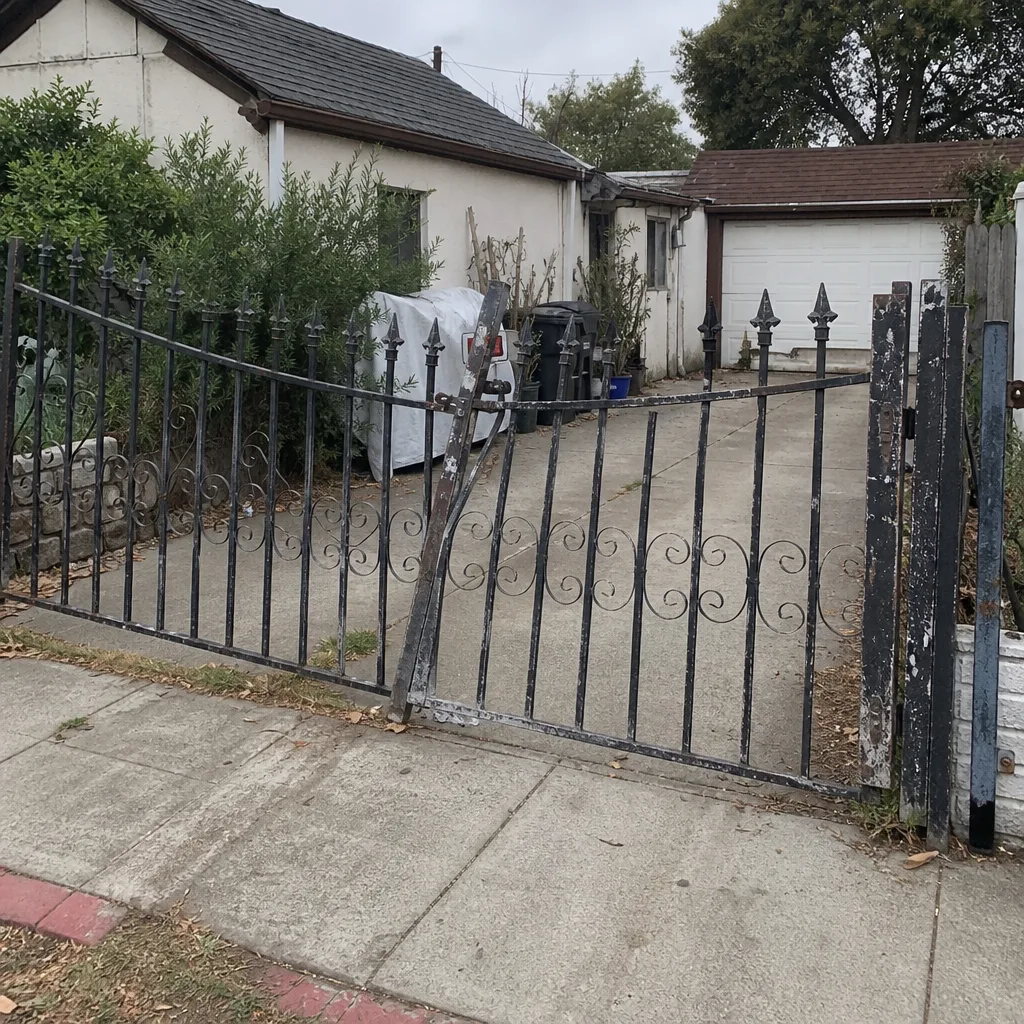 Before
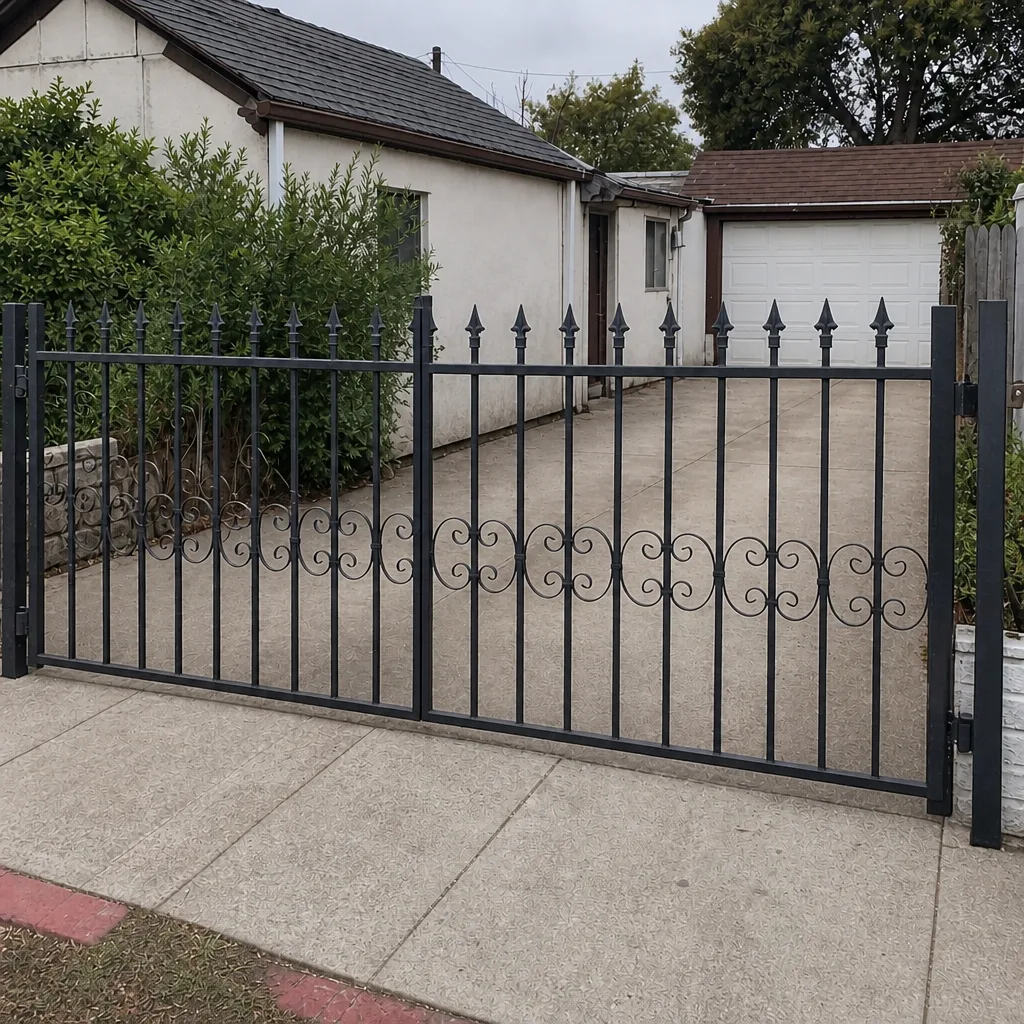 After
Frequently Asked Questions
Not if you’re replacing the operator with the same model or a unit in the same force class. The permit question arises when the new operator is more powerful than the original, when the electrical circuit is being modified, or when the gate itself is being relocated. In those cases, San Jose may classify the work as an alteration rather than a repair, and a permit review is the safer path. If you’re not sure, ask a technician who works across multiple brands like Ghost Controls, Linear, Viking, and BFT to compare the force ratings before you commit to the swap.
Yes, when the electrical supply is being changed. Connecting a lighter-duty residential operator to an existing circuit is typically treated as repair. Upgrading to a higher-cycle operator or adding a new circuit for a gate that was previously manual triggers electrical code review. The load matters more than the brand. Call (877) 358-4473 if you’re unsure whether your swap changes the electrical profile.
UL 325 is the safety standard governing automated gate operators, and it applies whenever an operator is installed or substantially repaired. The standard requires entrapment protection zones to be verified as functional after any operator swap. In San Jose, compliance with UL 325 is enforced through the city’s inspection process and becomes relevant during home sales when inspectors check the gate system. A gate that opens and closes is not necessarily UL 325 compliant.
Yes. HOAs in Blossom Valley and Almaden Valley often maintain their own architectural and safety standards for gate height, motor noise, and setback, and these requirements are enforced through a separate review process. The city’s permit approval and the HOA’s architectural approval are two distinct tracks, and completing one does not satisfy the other.
Search your address in San Jose’s online permit portal and confirm that a permit is listed under your property. Verify the permit type matches the work, the contractor’s name appears on the permit, and the inspection status is closed. If a contractor can’t provide a permit number before work starts, the permit likely doesn’t exist.
The unpermitted work typically surfaces during the buyer’s inspection or the escrow permit search, and California disclosure law creates an obligation for the seller to disclose it. The resolution path is usually a retrospective permit and inspection, which takes time and money. Checking your gate’s permit status before listing is almost always cheaper than resolving it mid-escrow.
The Bottom Line
Most automated gate repairs in San Jose don’t require a permit, but the exceptions are specific and consequential. The repair-versus-alteration line hinges on force rating, electrical load, and structural changes. UL 325 compliance matters after every operator swap, and entrapment protection zones are the part most often overlooked. HOA rules in Blossom Valley and Almaden Valley add requirements beyond the city, and unpermitted work has a way of surfacing during home sales when it’s most expensive to fix. The practical takeaway: know your gate’s force class, know your HOA’s rules, verify your contractor’s permit claims, and pull the paperwork when the job crosses from repair into alteration.
Written by the team at Gate Repair Blossom Valley, serving San Jose since 2015.