
Last updated November 4, 2026
 Wrought iron
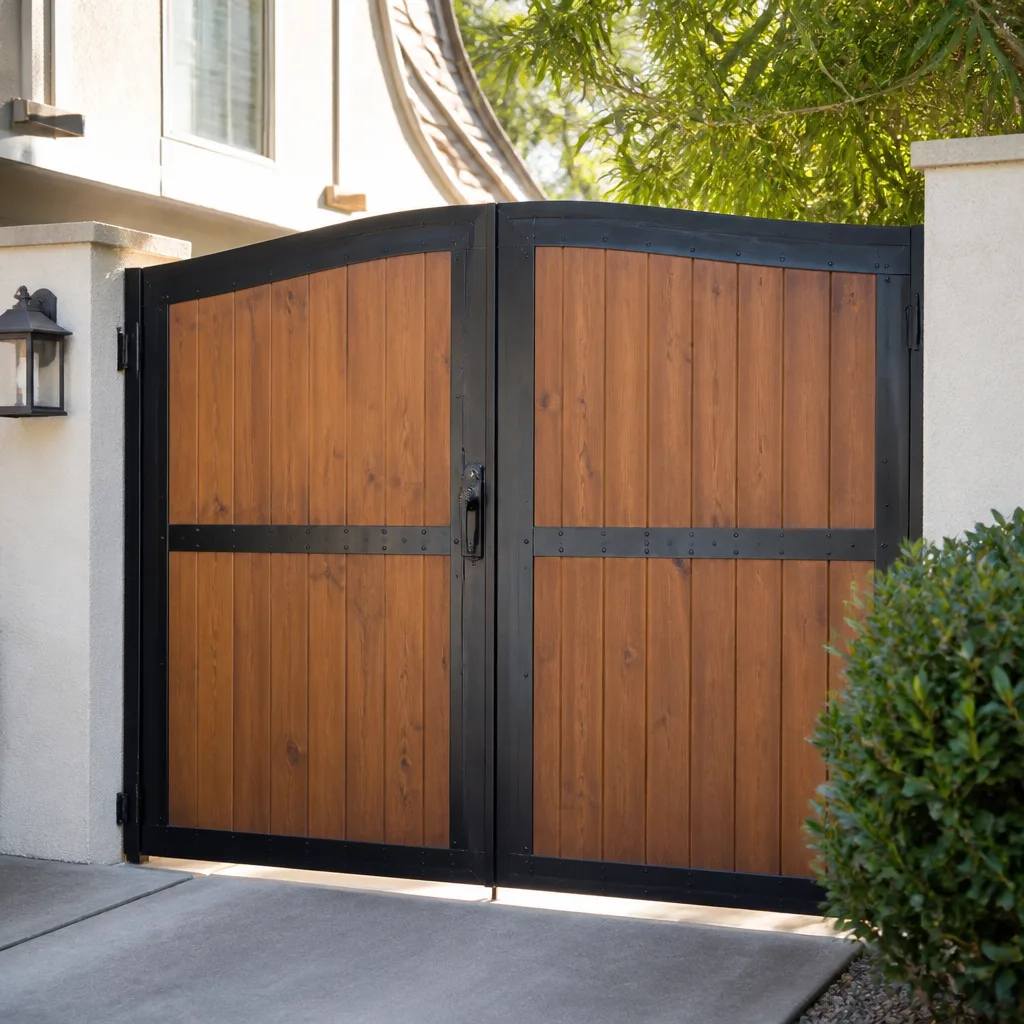 Wood & steel frame
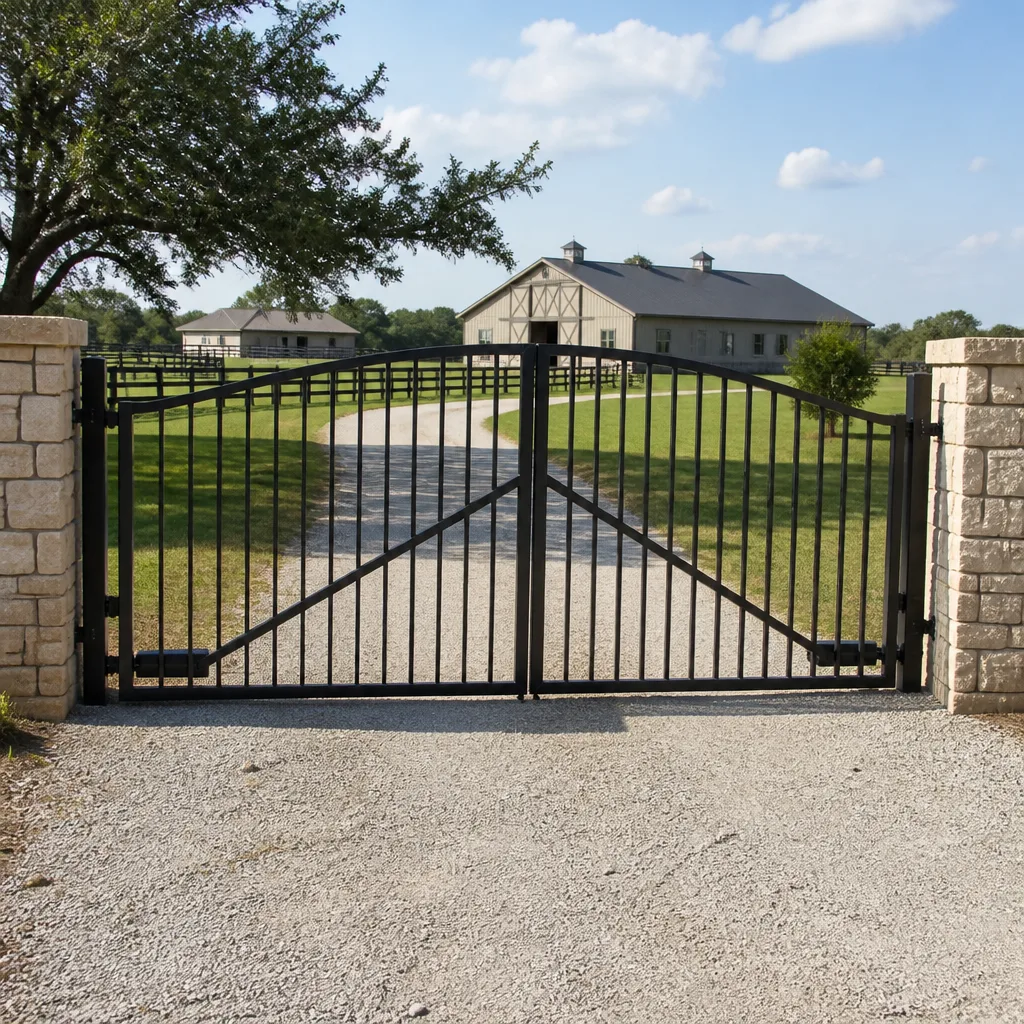 Farm & ranch
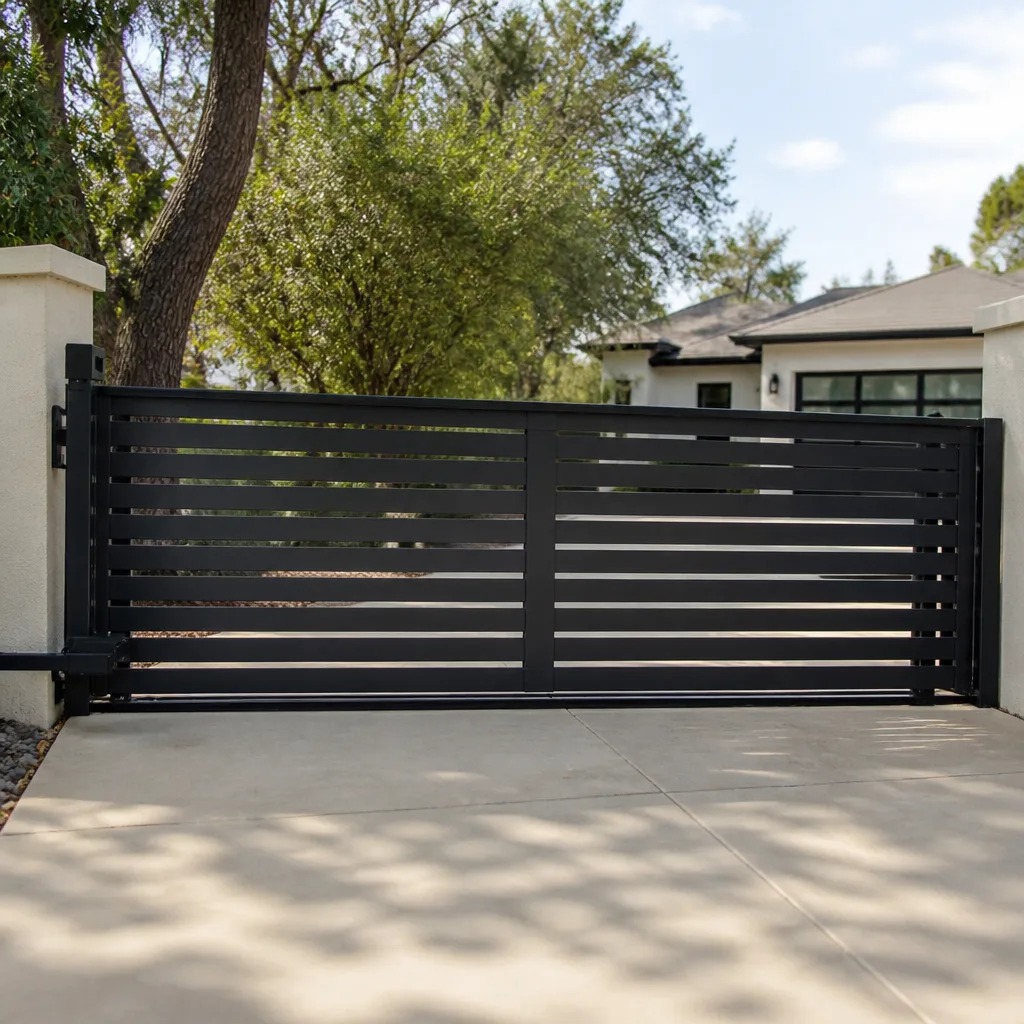 Sliding driveway gates
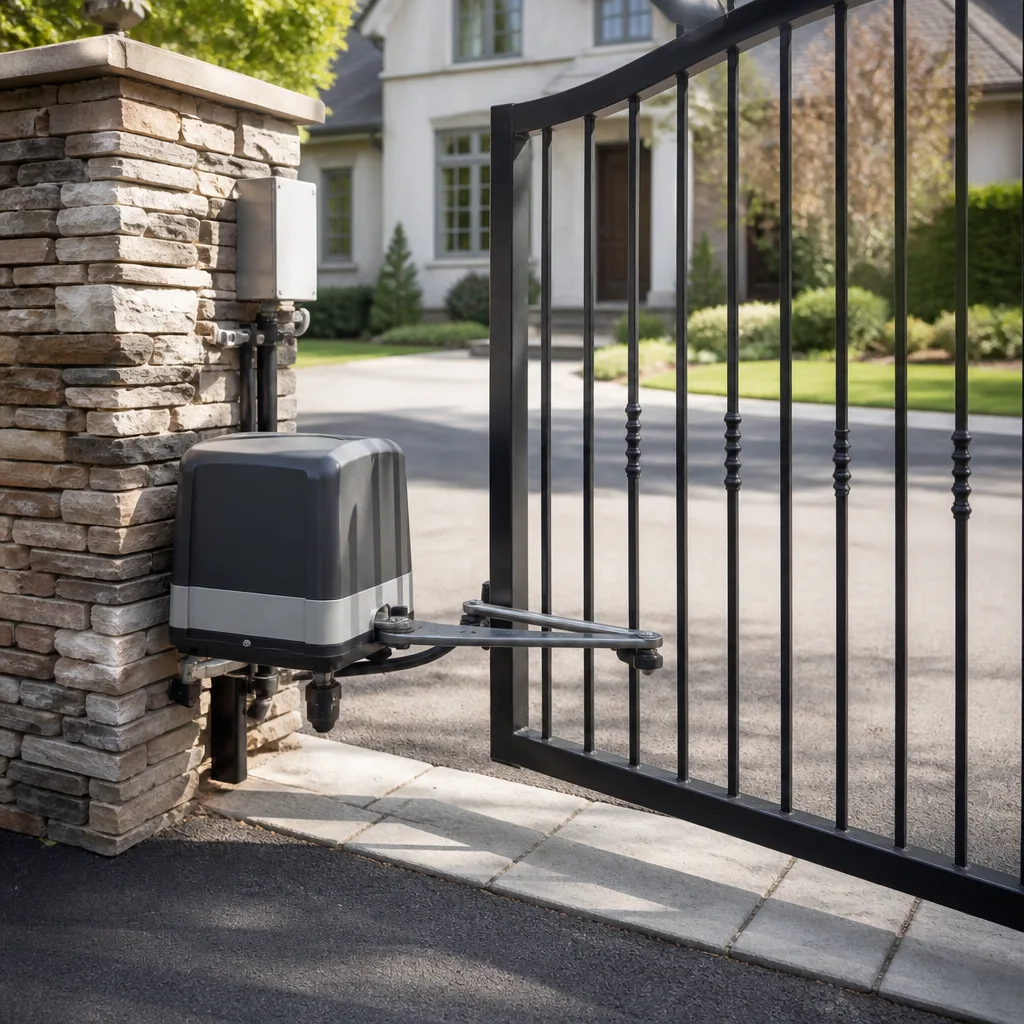 LiftMaster operators
Free on-site gate assessment - hinges, posts, and your LiftMaster or Nice gate operator checked before anything is quoted
The assessment is free and the quote is the invoice.
Get your free estimateGate Repair Maintenance Schedule: What to Do and When
Most people treat gate maintenance the way they treat dental cleanings: once a year, whether it needs it or not. That approach works for a gate that opens twice a day. It fails badly for a residential gate in San Jose that cycles 8 to 12 times daily, every day of the year. The truth is that gate maintenance isn’t a single annual event. It’s a layered schedule where safety sensors, mechanical parts, electrical components, and battery backups each run on their own clock. If you’re checking the hinges once a year and calling it good, you’re not maintaining the gate. You’re waiting for it to break.
This guide lays out a real maintenance schedule for a powered gate, built around cycle counts and component lifespans rather than the generic “lube it once a year” advice that gets recycled across the internet. We’ll cover what to do monthly, what to do quarterly, what needs attention every six months, and which tasks are genuinely annual. You’ll learn why a gate in San Jose’s dry summer heat needs different adjustments than a gate in a mild coastal town, and why your maintenance log might matter more than the maintenance itself when a warranty claim comes up.
Styles & brands we work with
- Wrought iron
- Wood & steel frame
- Farm & ranch
- Sliding driveway gates
- LiftMaster operators
Quick Answer
A residential gate in San Jose should get a 15-minute owner’s visual check every month, hinge and chain lubrication every 90 days, loop detector and safety sensor testing every six months, and a full professional service once a year. Battery backups need an annual load test. High-use gates (10+ cycles per day) should shift the professional service to every 6 to 8 months instead of yearly.
Table of Contents
- Why Cycle Count Matters More Than the Calendar
- Monthly Owner Checks: 15 Minutes That Prevent Most Failures
- Quarterly Mechanical Service: Hinges, Chains, and Tracks
- Six-Month Electrical Checks: Sensors, Loops, and Limits
- Annual Professional Service: What Actually Gets Done
- Battery Backup Testing: The Component Everyone Forgets
- San Jose Seasonal Adjustments: Summer Heat and Gate Tolerances
- What to Log After Every Service (And Why It Matters)
- Common Mistakes to Avoid
- When to Call a Professional
- Frequently Asked Questions
- The Bottom Line
Why Cycle Count Matters More Than the Calendar
Before we get into specific intervals, we need to talk about what actually wears a gate down. It’s not time. It’s cycles. A cycle is one full open-and-close sequence. Every cycle puts mechanical stress on the hinges, the chain or belt, the operator’s drive gear, and the limit switches. A gate that opens 4 times a day goes through about 1,460 cycles a year. A gate that opens 12 times a day goes through 4,380 cycles in that same year.
Now think about what that means for a maintenance schedule. A “yearly” service on a 12-cycle-per-day gate is the equivalent of servicing a low-use commercial gate every three years. The components don’t know it’s been 12 months. They know they’ve moved thousands of times. That’s why the smart approach is to anchor maintenance to cycle count, then translate it to calendar intervals based on how you actually use your gate. For most San Jose homes, that translation looks like this:
- 0 – 4 cycles per day: Calendar-based annual service is sufficient, with owner checks every other month.
- 5 – 9 cycles per day: Annual professional service plus quarterly owner inspections. This is the typical San Jose single-family home range.
- 10+ cycles per day: Professional service every 6 to 8 months. Owner checks monthly. This applies to homes with multiple drivers, home-based businesses, or ADUs on the property.
- Commercial or multi-tenant gates: Professional service every 90 days minimum, with monthly operator inspections.
If you’re not sure how many cycles your gate runs, stand by it for a day and count. Or check the operator’s control board. Most modern operators from LiftMaster, DoorKing, and Elite log cycle counts in their diagnostic memory. A technician who works across multiple brands can pull that number during a standard service call and use it to calibrate the schedule specifically for your gate. That’s the difference between a generic tune-up and a maintenance plan based on how your gate actually lives.
Monthly Owner Checks: 15 Minutes That Prevent Most Failures
The most valuable maintenance happens between professional visits. A monthly owner walk-around takes about 15 minutes and catches problems before they turn into repair calls. None of this requires tools or technical knowledge. It requires attention. Here’s what to check every month:
- Listen to the gate move. A healthy gate makes a consistent, low hum from the operator and a smooth rolling sound from the wheels or hinges. Any new grinding, squealing, scraping, or chattering noise is an early warning. New sounds mean something changed.
- Watch the gate’s speed. It should start smoothly, accelerate to normal speed, and decelerate before stopping. A gate that jerks at startup or slams into its stops is one that needs limit switch or torque adjustment. These get out of calibration over time, especially as temperatures shift in San Jose’s hot summers.
- Check the gate’s position at rest. When closed, the gate should sit flush against the stop or latch. When open, it should sit at the end of travel without binding. A gate that drifts or doesn’t fully close after several cycles may need a limit switch adjustment. This is a safety issue, not just a convenience issue.
- Inspect the track and chain visually. Look for debris, leaves, dirt buildup, or anything obstructing the track. Look at the chain or belt for obvious slack or rust. Don’t touch the chain while the gate is powered. Just look.
- Test the safety sensors. Place an object in the gate’s path and try to close it. The gate should stop and reverse. Do this from both sides of the gate if you have sensors on both approaches. If it doesn’t reverse reliably, stop using the gate and call for electric gate repair immediately. This is a life-safety device, not a convenience feature.
- Check the photo eyes for alignment. Most gate safety systems use a pair of photo eyes. They need to point directly at each other with clear line of sight. If weeds, bushes, or a shifted post have knocked one out of alignment, the gate may not close at all. Or worse, it may stay closed and lock you out.
Write down anything unusual in a simple log. Date, what you noticed, what the gate was doing. Even a note that says “everything normal, 3/15” has value. When a technician comes out for the annual service, those notes give them a jumping-off point. They can check the specific concerns you flagged instead of spending the visit looking for generic problems. We tell our customers in Blossom Valley this all the time: the owner’s monthly walk-around is the single highest-return maintenance activity you can do. It costs nothing but time.
Quarterly Mechanical Service: Hinges, Chains, and Tracks
Every 90 days, the mechanical components of the gate need attention. This is where the “annual service” model fails high-use gates. Hinges on a daily-use gate go through thousands of swings per quarter. Chains stretch. Tracks collect dirt. Waiting a full year between lubrications on a gate that opens 10 times a day means running dry metal against dry metal for nine months. By the time you lubricate, the wear has already happened.
Quarterly mechanical service covers four main areas:
Hinge Lubrication
Swing gate hinges carry the entire weight of the gate leaf and transfer every ounce of it into the post. Lubricating them every 90 days keeps the gate swinging smoothly and prevents the hinge pin from wearing an oblong hole into the hinge plate. Use a heavy-duty lithium grease or a silicone-based lubricant designed for outdoor metal. Do not use WD-40 as your primary hinge lubricant. It’s a water displacer, not a lasting lubricant. You need something that stays put and holds up to San Jose’s hot, dry summers without breaking down and running off.
Chain and Belt Tension
Slide gates use a chain or belt driven by a sprocket on the operator. Chains stretch over time, and a loose chain can skip teeth on the sprocket or slap against the track. A chain that’s too tight puts excessive load on the operator motor and wears bearing surfaces prematurely. The correct tension allows about a half-inch of deflection in the center of the chain when pressed by hand. Belts are similar but generally need less frequent adjustment. If you’re not comfortable setting chain tension, this is a five-minute task for a technician doing a quarterly visit.
Track Cleaning and Inspection
Slide gate tracks are exposed to everything: dust, leaves, pine needles, gravel, and in San Jose’s dry season, a constant fine coat of dust that works its way into every roller. Clean the track thoroughly every 90 days. Spray it down, remove packed debris, and inspect the rollers for flat spots or wobble. A track that’s clogged with debris forces the operator to work harder every single cycle. That extra load shortens the operator’s life and can trip the obstruction sensor, causing the gate to reverse mid-cycle or refuse to move at all.
Hardware Tightening
Every bolt, nut, and fastener on the gate and operator mount takes vibration. After 90 days of daily cycling, some of them have loosened. A quarterly pass with a wrench on the hinge bolts, operator mount bolts, and chain tensioner bolts prevents a headache later. Loose mounting hardware lets the operator shift under load, which changes the gate’s movement geometry and sends vibration through the entire system. That vibration loosens more hardware. It’s a compounding problem that starts with one loose bolt and ends with an operator yanked off its mount or a hinge torn out of a post.
Most of this quarterly work takes an hour. You can do the lubrication and cleaning yourself if you’re comfortable with the mechanical side. If you’d rather not crawl around the gate track, the quarterly visit is a good time to call us for a quick mechanical service. We work on gate systems across all the major brands, and we’d rather help you maintain good equipment than replace damaged equipment prematurely.
Six-Month Electrical Checks: Sensors, Loops, and Limits
Twice a year, the electrical and control side of the gate needs testing. This isn’t the same as the monthly sensor check where you wave your foot in front of the photo eye. The six-month electrical check is a deeper look at how the control system interprets signals and whether the safety devices are actually integrated correctly.
Loop Detector Sensitivity
Many San Jose driveways use in-ground induction loops to detect vehicles. When a car crosses the loop, the loop detector senses the metal mass and sends a signal to the operator: hold the gate open, don’t close on the car. These loops have adjustable sensitivity. Set too low, and the loop won’t detect a small vehicle or a motorcycle. Set too high, and it may false-trigger from nearby metal or electrical interference. Sensitivity drifts over time as conditions change: soil moisture, temperature, even nearby construction can affect how the loop reads. A six-month calibration check keeps the loop working as intended.
Photo Eye Beam Alignment and Function
The photo eyes we mentioned in the monthly check need a more careful alignment test every six months. This involves checking the beam’s actual path, not just whether the gate reverses. A photo eye that’s slightly misaligned might work when tested with a large object but fail to detect a child or pet. The test should include blocking the beam at multiple heights and verifying that the gate stops and reverses every time. On dual-direction gates, both sets of eyes need individual testing.
Limit Switch Calibration
Limit switches tell the operator where the gate is: fully open, fully closed, and everywhere in between. They work through mechanical contact, magnetic reed switches, or the operator’s internal encoder. Over months of cycling, limit switches drift out of calibration. A gate that used to close flush against the latch now leaves a two-inch gap. A gate that used to open fully now stops six inches short. That drift is normal, but it needs correction. A six-month limit switch adjustment keeps the gate sealing properly and keeps the operator from working against a stop it can’t reach.
Control Board Diagnostic Review
Modern operators from brands like DoorKing and Elite have control boards that store diagnostics. Error codes, cycle counts, voltage readings, and obstruction events are all logged in the board’s memory. A six-month review lets us see what the gate has been experiencing: excessive obstruction reversals, voltage fluctuations, overheating events. We can catch a failing capacitor or a weakening transformer before it leaves you with a dead gate and a car trapped inside. We do this type of diagnostic deep-dive as part of our standard electric gate repair service, and it’s the part of maintenance that separates a gate that lasts 10 years from one that dies at 5.
Annual Professional Service: What Actually Gets Done
The annual service is the one most people know about. It’s the full inspection, the comprehensive tune-up, the thing you schedule to keep the warranty valid. But what actually happens during an annual service? If you’ve never watched one, it’s more involved than you might think. A proper annual service on a San Jose residential gate takes two to three hours and covers everything on the monthly, quarterly, and six-month schedules plus several additional steps.
Here’s what a thorough annual service includes:
- Complete mechanical inspection: Every hinge, bolt, roller, chain link, and weld inspected for wear, cracking, or deformation. Measuring hinge play and roller condition against manufacturer specifications.
- Full electrical system test: Voltage checks at the operator, transformer, and control board. Load testing on the motor to verify it’s not drawing excessive current. Checking all wiring connections for corrosion or looseness.
- Safety system verification: Testing every safety device under real-world conditions: loop detectors, photo eyes, edge sensors, and obstruction reversal. Verifying that the gate reverses within the required sensitivity range.
- Operator internal service: Opening the operator housing, cleaning dust and debris from the interior, inspecting the drive gear and limit switch mechanism, and lubricating internal components where the manufacturer allows it.
- Battery backup testing: If your gate has a battery backup, the annual service includes a load test. This is critical in San Jose, where power outages from heat waves and equipment failures can leave a gate dead when you need it most.
- Desert-dust cleanup: San Jose’s dry climate means fine dust works its way into everything: control boards, sensors, photo eye lenses, and operator housings. An annual deep clean prevents that dust from causing overheating or false sensor readings.
- Brand-specific checks: Different operators have different failure points. A LiftMaster operator has different known issues than a Mighty Mule or a DoorKing. Part of the annual service is running through the brand-specific checklist for your particular operator. We carry service knowledge across nine gate and operator brands, so the annual check is tailored to your equipment, not a generic list applied to every gate we see.
After the service is complete, you should get a written report of what was checked, what was adjusted, what was replaced, and what to watch in the coming months. A technician who just says “all good” without documentation isn’t doing you any favors. The report is your maintenance log entry for the year, and it’s the documentation you’ll need if a warranty claim ever comes up.
Battery Backup Testing: The Component Everyone Forgets
Battery backups are one of those things you don’t think about until the power goes out and you need to get your car out of the driveway. Then you try to open the gate and nothing happens. The battery is dead. This happens more often than you’d expect, especially in areas of San Jose where summer heat shortens battery life.
A gate battery backup is a sealed lead-acid or lithium battery wired into the operator’s control board. It keeps the gate operational during a power outage, usually for a limited number of cycles. The battery charges when the gate has power and sits dormant the rest of the time. Lead-acid batteries don’t last forever. In hot climates, they can degrade in as little as 2 to 3 years. In a climate-controlled garage, they might last 5. Sitting in a metal operator housing that bakes in the San Jose sun? Expect the shorter end.
Annual load testing is the only way to know if your backup battery will actually work when you need it. A load test puts a real draw on the battery and measures how it holds voltage under stress. A battery can read 12 volts at rest and drop to 9 volts under load, which means it’s essentially dead. The annual service should include this test. If the battery fails, replace it. The cost of a new battery is trivial compared to being trapped on your property with no way to move a vehicle to the street.
Some operators from DoorKing, Elite, and LiftMaster include built-in battery health monitoring that shows status on the control board or through a connected app. If yours has that, check it monthly. If it shows a fault or low health, call before the next power outage. For everyone else, the annual load test is the standard. Make sure it’s actually being done, not just written down as done. Ask your technician to show you the voltage reading under load. A real specialist will be happy to.
San Jose Seasonal Adjustments: Summer Heat and Gate Tolerances
San Jose has a Mediterranean climate: hot, dry summers with regular stretches above 90°F, and mild, sometimes wet winters. Those temperature swings affect your gate in ways that a maintenance schedule written for a coastal town wouldn’t account for.
The biggest seasonal factor is metal expansion. Steel and aluminum expand when they get hot. A gate leaf that’s 16 feet long can grow by a measurable fraction of an inch on a 95°F day compared to a 50°F morning. That expansion matters at the gate’s gap tolerances. A gap that’s set to 1/4 inch on a cool spring day might close up to near-zero on a hot August afternoon. If the gate binds or scrapes when it’s hot, that’s not a mechanical failure. It’s a tolerance issue that needs a seasonal adjustment.
Limit switches feel this too. If the limit switch was set when temperatures were mild, the gate might not seal properly in summer heat or might over-travel in the cold. In San Jose, we recommend checking limit switch calibration at the start of summer and again in late fall. Two adjustments per year handles our climate. You don’t need to monkey with the limits every month, but you should be aware that “set it and forget it” doesn’t work when the temperature swings 40 degrees between seasons.
Dust is the other San Jose factor. Our dry season runs from roughly May through October, and during that stretch, the ground dries out and dust gets airborne. That fine dust settles on everything, including your gate’s photo eyes, control board, and chain. A quarterly cleaning schedule that works fine in winter needs to be more aggressive in summer. We recommend cleaning photo eye lenses monthly during the dry season. A dusty photo eye can cause false obstruction readings, which means a gate that reverses for no reason or refuses to close at all. If you live near open fields, construction, or unpaved roads, double the frequency.
Hail is uncommon in San Jose, so impact damage from hail isn’t a maintenance concern here the way it is in other parts of the country. Storm damage from wind is more relevant. Winter storms can blow debris into the gate track, knock branches onto photo eye wiring, or shift a post if the ground gets saturated. After any significant storm, do a quick walk-around and look for debris or new misalignment. It takes two minutes and catches problems while they’re small.
What to Log After Every Service (And Why It Matters)
Documentation is the most overlooked part of gate maintenance. Most people don’t log anything. They know they had the gate “serviced sometime last year” but couldn’t tell you when, what was done, or what the technician found. That lack of documentation causes two problems.
First, it makes future maintenance less effective. If a technician doesn’t know whether the chain was adjusted last year or never, they can’t tell if the current slack is new wear or old neglect. If they don’t know that the loop detector needed a sensitivity increase last spring, they’ll chase the same issue again this year. A log gives each visit a baseline to compare against.
Second, and more importantly, documentation matters for warranty claims. Operator warranties from brands like DoorKing and FAAC typically require proof of regular maintenance. If the operator fails and you file a warranty claim, the manufacturer will ask for service records. A notebook with dates and notes satisfies that requirement. A blank look doesn’t. In our experience, warranty claims with clean documentation go through smoothly, and claims without documentation get denied or delayed. The log isn’t a formality. It’s the difference between a covered repair and a bill you pay yourself.
Here’s what to record after every service or inspection:
- Date and type of service: Monthly owner check, quarterly mechanical, annual professional, or repair visit.
- Who performed it: You, a family member, or the company name and technician.
- What was checked: A checklist or summary of the systems inspected.
- What was adjusted or replaced: Specific parts, specific adjustments, and reason for each.
- Observations and notes: Any unusual sounds, behaviors, or conditions noted before or during the service.
- Follow-up items: Anything flagged for attention at the next service or an upcoming repair.
- Photos: If you see something unusual, photograph it. Photos document condition better than any written note.
Keep the log anywhere that works for you: a paper notebook in the garage, a notes app on your phone, a spreadsheet. The format matters less than the consistency. A gate maintained with a detailed log over five years is a gate that tells us exactly what’s happening with it. A gate with no history is a mystery we have to diagnose from scratch. That’s the difference between a targeted repair and a guessing game.
Common Mistakes to Avoid
- Lubricating once a year and calling it maintained. In San Jose’s dry climate, once-a-year lubrication leaves hinges, chains, and rollers running dry for the majority of the year. A daily-use gate needs lubrication every 90 days, not every 365. The wear from running dry doesn’t reverse itself with one late application of grease.
- Treating the gate as “set it and forget it” equipment. Gates need ongoing adjustment because they’re mechanical systems exposed to weather, vibration, and daily cycling. Ignoring them until they fail means paying for a repair that regular maintenance would have prevented. Most emergency gate failures we see in San Jose trace back to deferred maintenance, not sudden part failures.
- Using the wrong lubricant. Spraying WD-40 on gate hinges and chains feels productive but does almost nothing long-term. It displaces water and provides momentary lubrication, then evaporates. Use a proper lithium grease or outdoor-rated silicone lubricant. The right product lasts months. The wrong one lasts days.
- Neglecting the safety sensors. Photo eyes and edge sensors wear out, drift out of alignment, and get dirty. Testing them only during the annual service means a safety device could be non-functional for 11 months without anyone noticing. That’s a life-safety risk, not a maintenance oversight. Test the sensors monthly.
- Not keeping records. If you can’t prove the gate was maintained, you can’t file a successful warranty claim. Brands like DoorKing and FAAC ask for documentation. A notebook with five years of service dates is worth more than a vague memory of “regular tune-ups.”
- Ignoring new sounds. A grinding noise that “just started” is a failure in progress. Catching a worn roller or dry hinge when it first makes noise means a $50 part and 20 minutes of work. Waiting until the gate stops moving means a $500 repair and a stuck vehicle. Your ears are the first diagnostic tool.
- Over-tightening the chain or belt. It seems logical that a tight chain is a good chain. It’s not. Over-tightening puts constant stress on the operator’s bearings, the sprockets, and the gate’s drive components. That stress wears things out faster than a slightly loose chain ever would. Follow the manufacturer’s tension spec, or have a technician set it properly.
When to Call a Professional
Some maintenance tasks are for owners. Others need a trained technician with the right tools and diagnostic equipment. Call a professional if you notice the gate jerking, reversing mid-cycle, making grinding noises from the operator, or tripping a breaker. If the gate won’t close at all or the safety sensors don’t respond consistently, stop using it and call. The same applies if you see visible damage to the track, hinges, or operator mount, or if the gate feels like it’s fighting the motor on every cycle. These are not issues to watch and wait on. They get worse quickly.
Gate Repair Blossom Valley offers free estimates in San Jose. We work on residential and commercial gate systems across all nine major brands, including LiftMaster, DoorKing, Elite, and Mighty Mule. If your gate is misbehaving or you want a professional maintenance visit, call (877) 358-4473. We answer 24/7. Fast dispatch from 7am to 7pm, Sunday through Friday.
Frequently Asked Questions
A residential gate in San Jose should get a professional service once a year for normal use (under 10 cycles per day), and every 6 to 8 months for high-use gates. Between professional visits, owners should do a monthly visual and safety check, and lubrication every 90 days. The exact schedule depends on cycle count, not just calendar time.
Gate maintenance costs vary based on the gate type, operator brand, and what needs adjustment. A basic annual tune-up on a standard residential swing gate typically runs a few hundred dollars, while a full service on a slide gate with loop detectors and battery backup costs more. Call (877) 358-4473 for an exact quote. Estimates are free, and we always set the written price before any work begins.
Yes, the monthly checks and quarterly lubrication are well within most owners’ ability. Cleaning the track, lubricating hinges, testing safety sensors, and tightening visible hardware are all straightforward tasks. Deeper work like electrical diagnostics, limit switch adjustment, loop detector calibration, and battery load testing should be left to a technician with experience in electric gate systems.
A full annual service includes mechanical inspection of hinges, rollers, chains, and hardware; electrical testing of the operator, transformer, and control board; safety system verification; operator internal cleaning; battery backup load testing; and brand-specific checks for your particular operator. You should receive a written report summarizing everything that was checked and adjusted.
In San Jose, yes, for two main reasons. Summer heat causes metal expansion that can change gap tolerances and limit switch behavior, so calibration should be checked before and after the hot season. The dry, dusty conditions also mean photo eye lenses and tracks collect dust faster, so cleaning frequency should increase during the May through October dry stretch.
False obstruction reversals usually trace back to one of three causes: dirty or misaligned photo eyes, a loop detector set to excessive sensitivity, or an obstruction sensor that’s been knocked out of position. Check the photo eyes first: clean the lenses and confirm they’re pointed at each other. If the problem persists, call (877) 358-4473 for a diagnostic visit. We’ll find the actual cause instead of guessing at it.
The Bottom Line
Gate maintenance is a schedule, not an event. Monthly owner checks catch problems early. Quarterly lubrication keeps mechanical parts alive. Six-month electrical checks keep the safety systems working. Annual professional service keeps the whole system healthy and your warranty intact. The right cadence for your gate depends on how often it cycles, and a daily-use gate in San Jose’s dry summer heat needs more attention than a low-use gate in a mild climate. Keep a log. Test the safety sensors. Replace the backup battery before it fails. And when something needs a professional, call someone who works on your specific operator brand, not a generalist who will diagnose by guesswork. If you’re in San Jose and want a maintenance schedule built around your actual gate, gate repair starts with a free estimate. Call (877) 358-4473. We answer 24/7. Fast dispatch from 7am to 7pm, Sunday through Friday.
Written by the team at Gate Repair Blossom Valley, serving San Jose since 2015.
See the difference
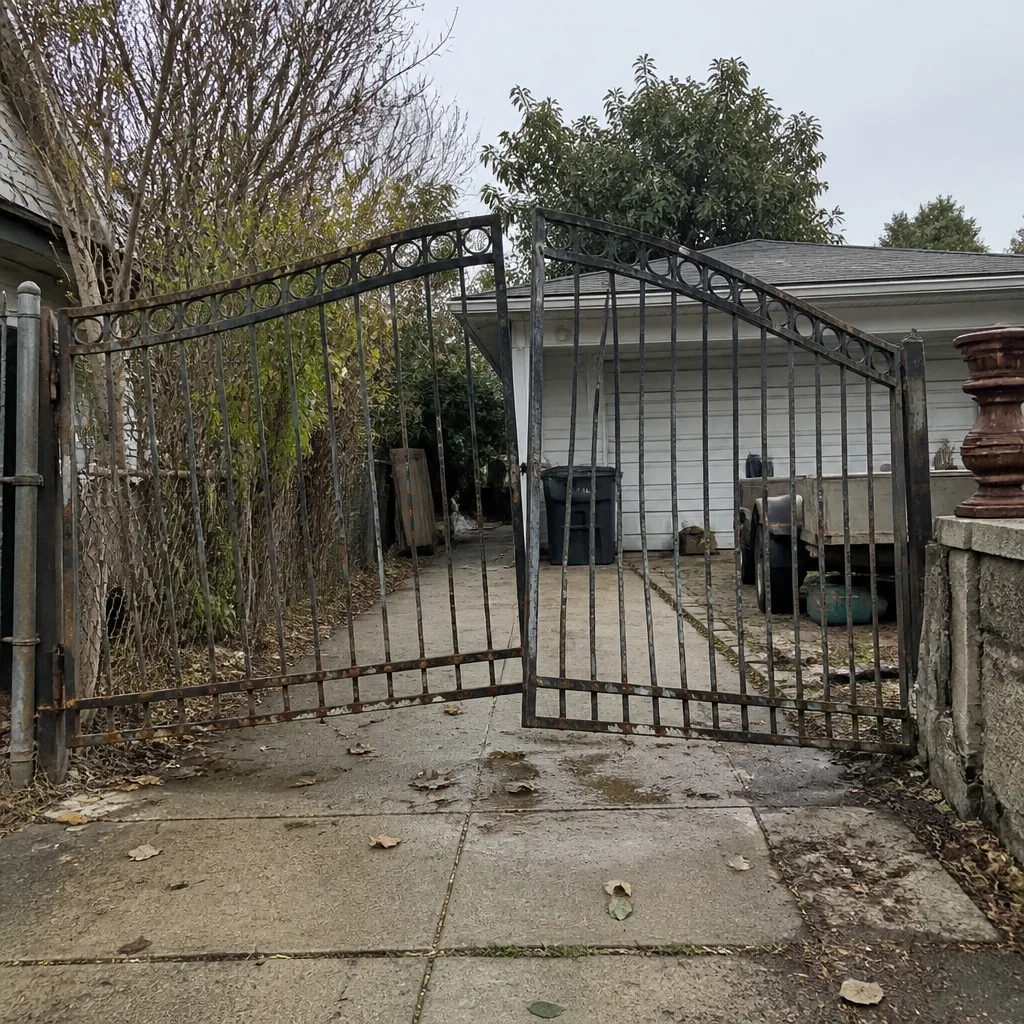 Before
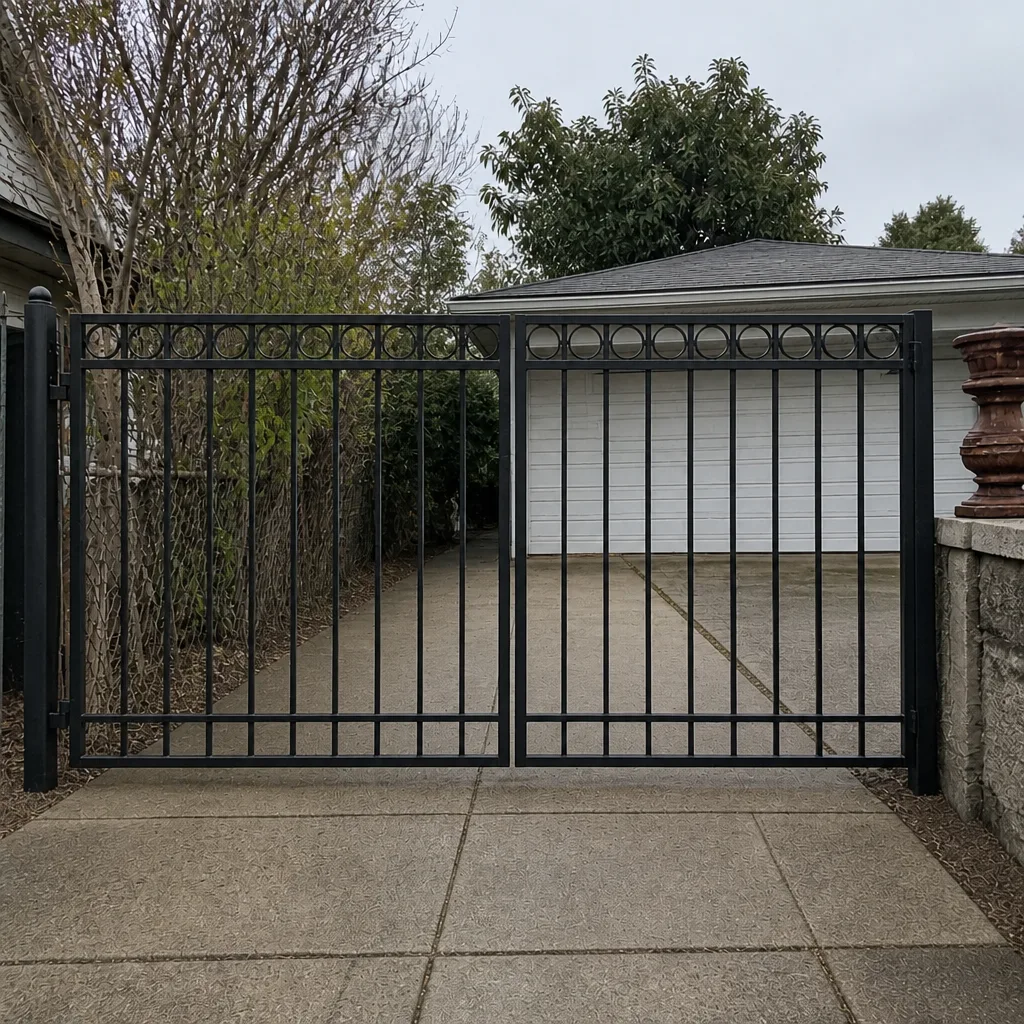 After
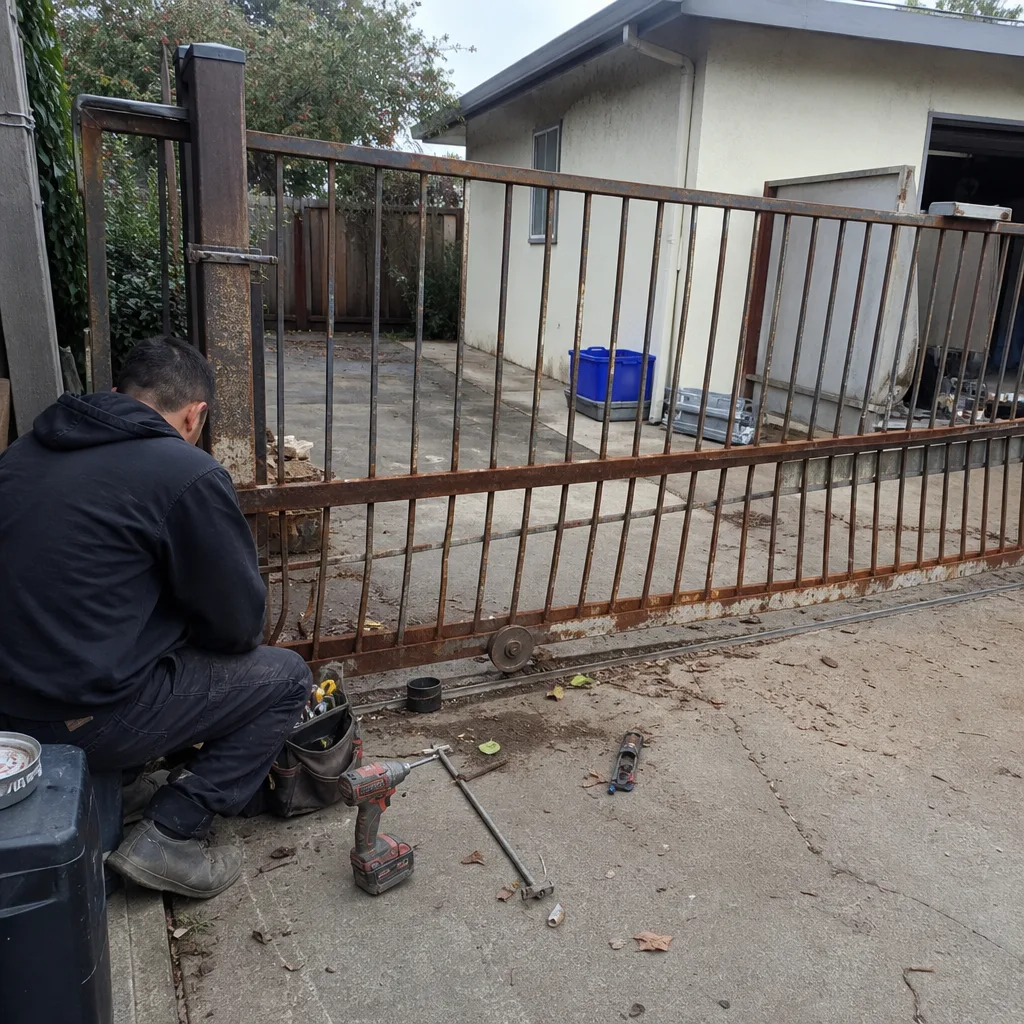 Before
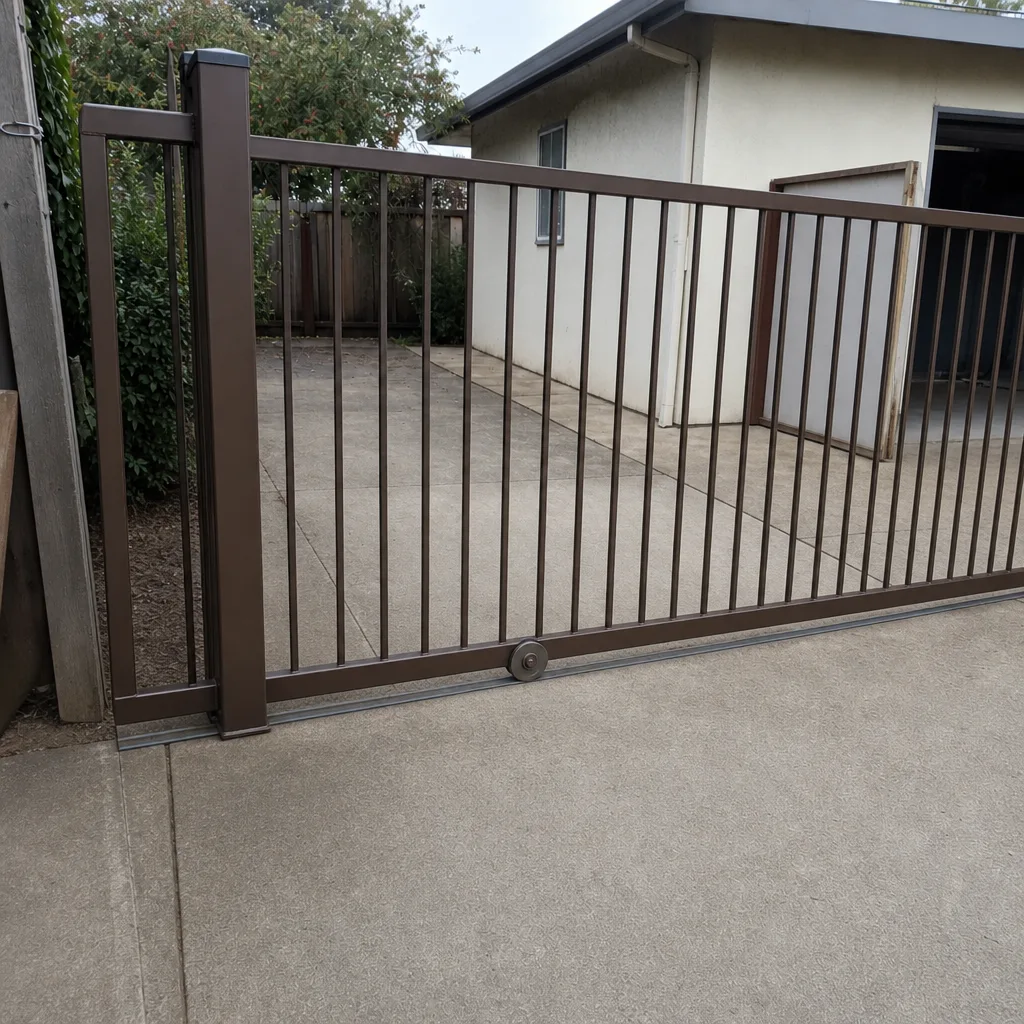 After
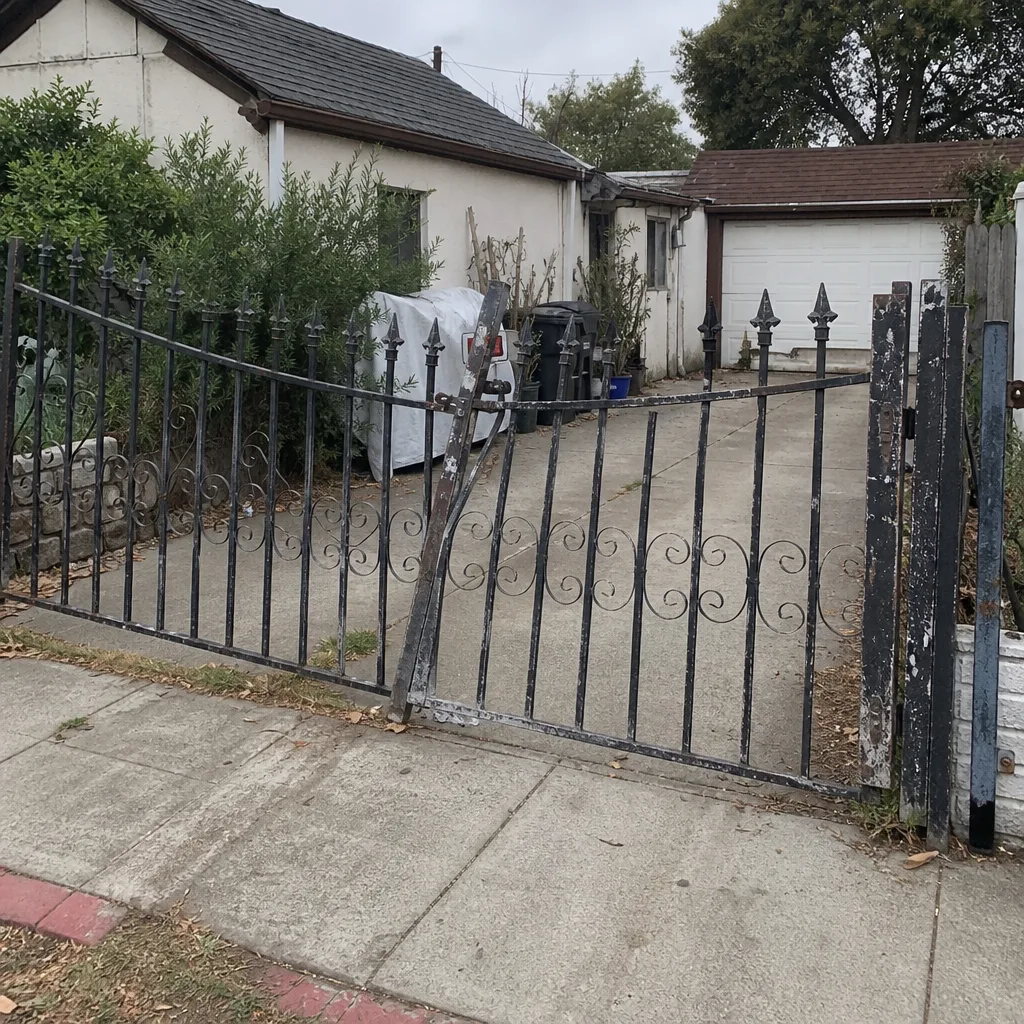 Before
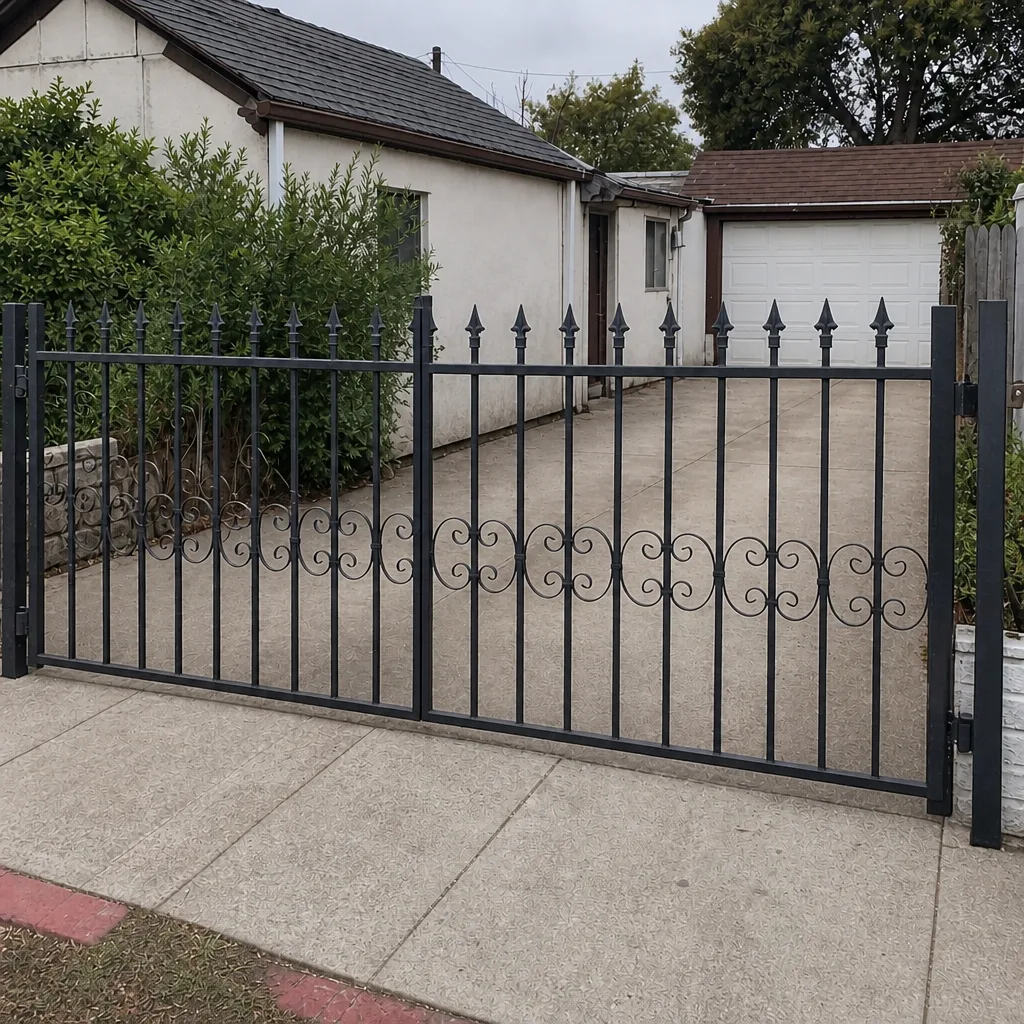 After