
Last updated November 4, 2026
 Wrought iron
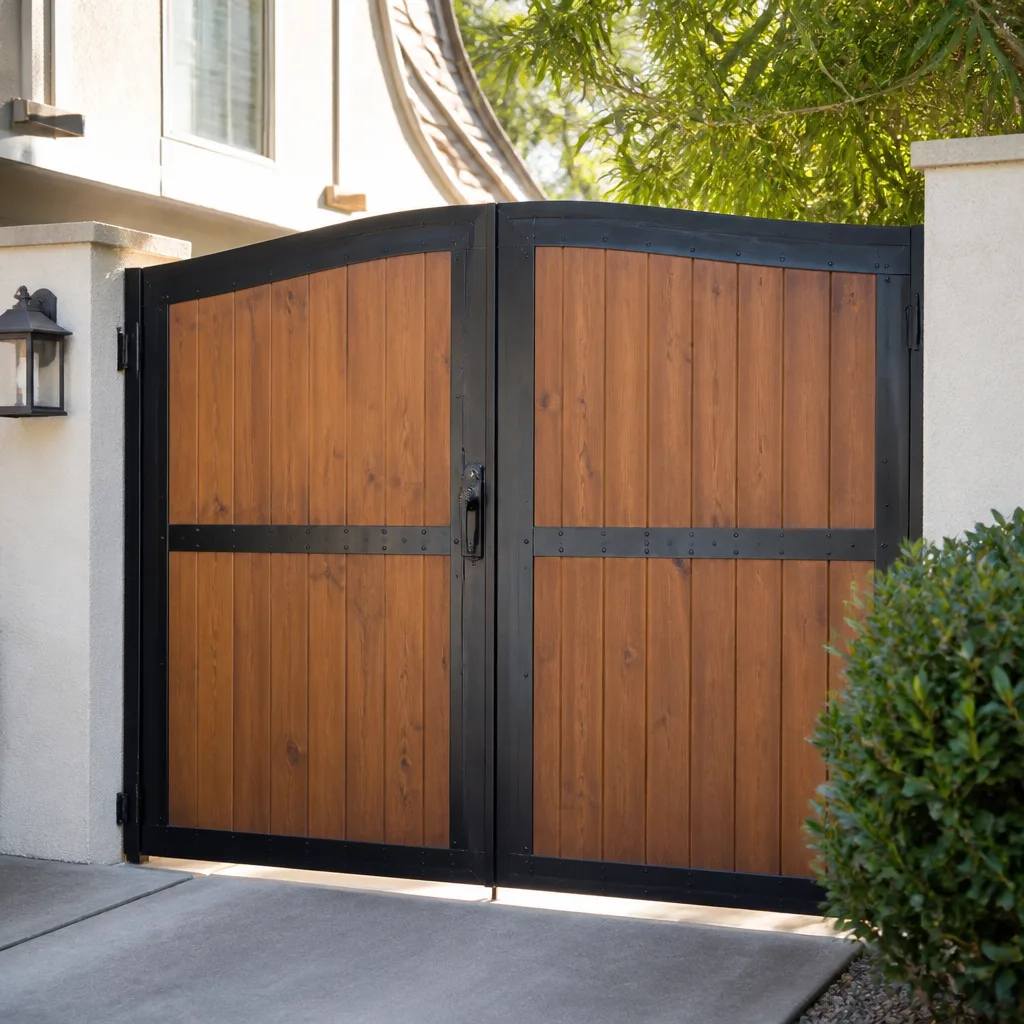 Wood & steel frame
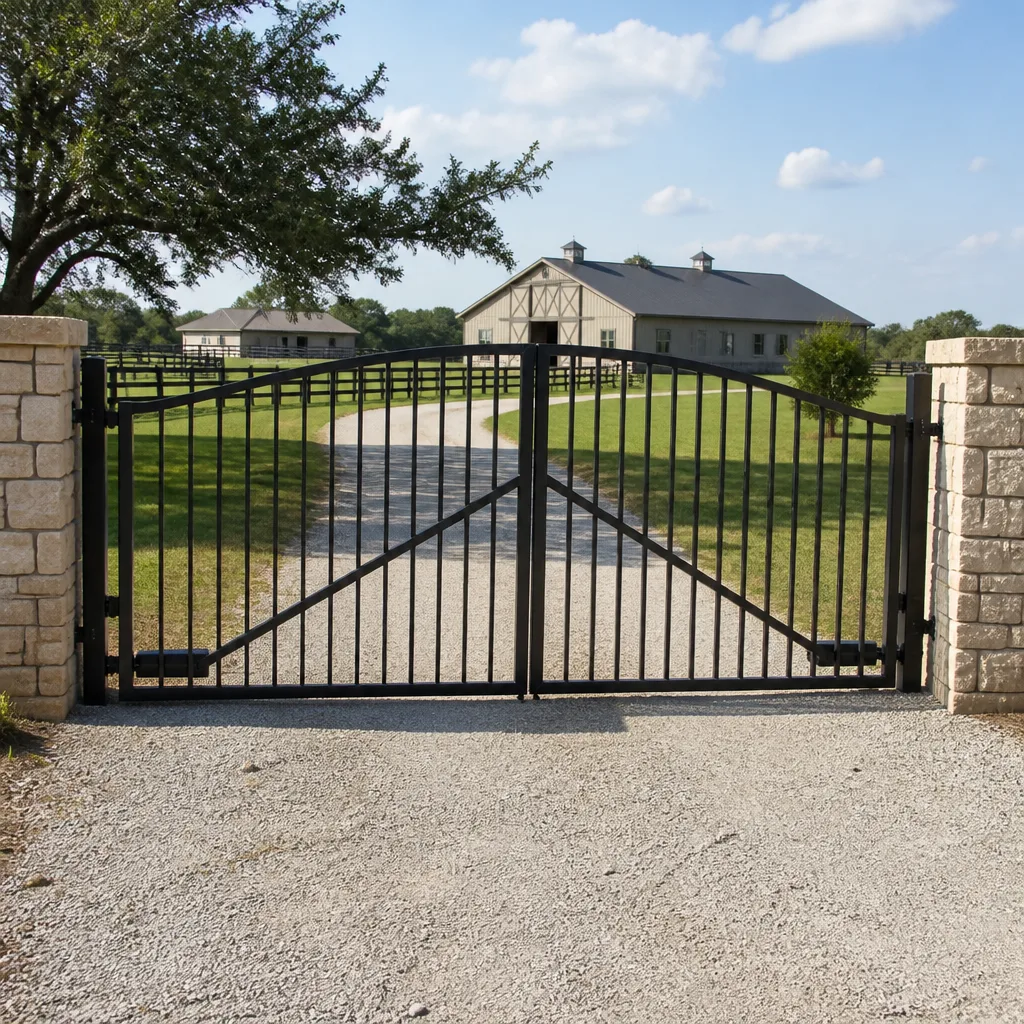 Farm & ranch
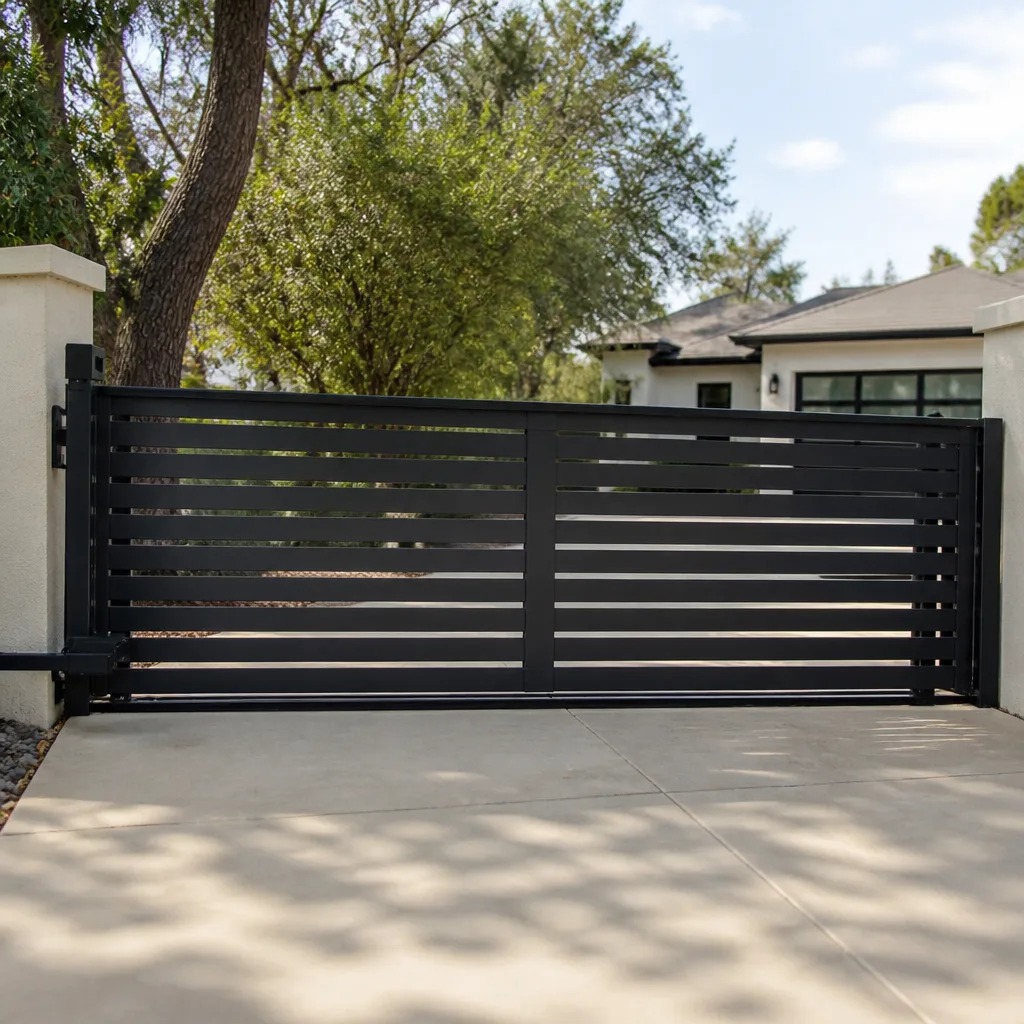 Sliding driveway gates
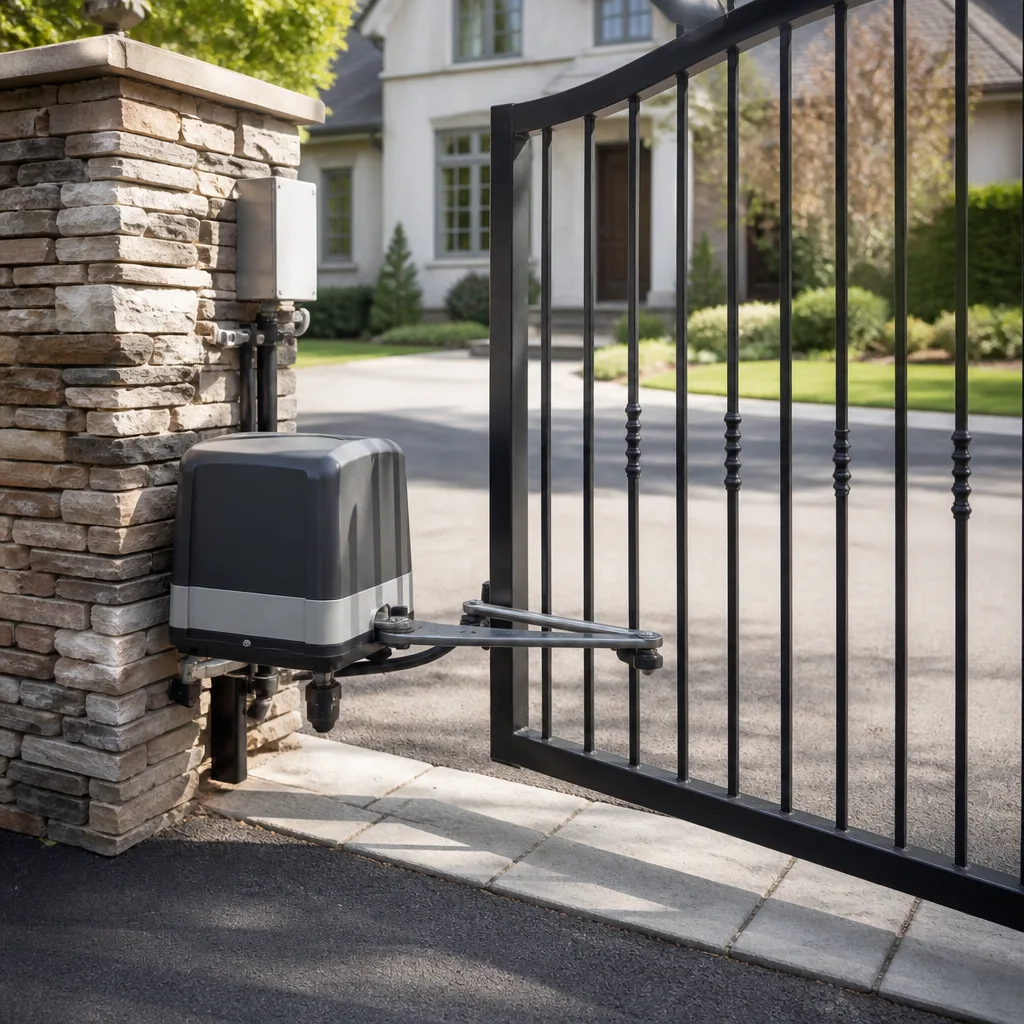 LiftMaster operators
Free on-site gate assessment - hinges, posts, and your LiftMaster or Nice gate operator checked before anything is quoted
The assessment is free and the quote is the invoice.
Get your free estimateThe Complete Guide to Gate Repair in San Jose
Most “complete guides” to gate repair are just lists of parts with price tags. They skip the diagnostic layer entirely. That’s a problem because a gate that reverses for no reason, a gate that won’t open past 45 degrees, and a gate that opens fine but won’t latch can all trace back to the same root cause: a miscalibrated limit switch. Three different symptoms. One failed component. This guide gives San Jose homeowners and property managers the diagnostic framework to understand what’s actually wrong before anyone quotes a price. And we’ve included the five root-cause categories that cover roughly ninety percent of what we see in the field.
Quick Answer
Gate repair in San Jose typically starts with knowing which root-cause category your failure falls into: mechanical wear, electrical fault, operator failure, structural shift, or control board failure. Most repairs cost between $250 and $1,300 depending on the failed component, whether the gate is a swing or slide system, and which operator brand runs it. A legitimate assessment always includes diagnosis first, with the price set per job by written estimate, never guessed over the phone.
Styles & brands we work with
- Wrought iron
- Wood & steel frame
- Farm & ranch
- Sliding driveway gates
- LiftMaster operators
Table of Contents
- The Five Root Causes of Gate Failure
- Why San Jose Soil Accelerates Gate Wear
- Brand-Specific Failure Patterns We See in San Jose
- Repair or Replace: Where the Line Actually Is
- What a Legitimate Repair Assessment Should Include
- Electric Gate Repair: The Part General Handymen Turn Away
- Common Mistakes to Avoid
- When to Call a Professional
- Frequently Asked Questions
The Five Root Causes of Gate Failure
Before any repair conversation starts, you need to know which failure category you’re dealing with. The five categories below cover most gate failures in San Jose, whether the gate is a driveway swing gate, a pedestrian gate, or a commercial slide gate. Each category demands a different repair approach and a different price range.
1. Mechanical Wear
Hinges, rollers, chains, and wheels wear out. This is the most common failure category for gates more than five years old. A swing gate that sags, scrapes the ground, or needs a lift to latch shut is showing mechanical wear. Slide gates that jump the track or groan while moving have roller and track wear. These failures develop slowly. You’ll notice the gate getting harder to open, noisier, or slightly misaligned before it stops working entirely. Fixing mechanical wear early costs less because the surrounding components haven’t been stressed by a misaligned gate.
2. Electrical Fault
Wiring, safety loops, photo eyes, and keypads fall into this category. A gate that won’t respond to the remote, a keypad that works intermittently, or safety sensors that keep triggering a reversal are electrical faults. In San Jose, older neighborhoods in Blossom Valley and Almaden often have original low-voltage wiring that’s been in the ground since the 1980s. That wiring degrades, especially where conduit joints have separated and moisture gets in. Electrical faults are frequently misdiagnosed as operator failures because the symptoms look similar.
3. Operator Failure
The operator is the motor and gearbox that moves the gate. Swing gate arms, slide gate motors, and hydraulic operators all have moving parts that fail. A gate that hums but doesn’t move usually has an operator problem. A gate that opens but struggles to close often has a failing gearbox or a hydraulic leak. Operator failures account for a large share of our gate repair calls, particularly on older systems where the operator has never been serviced.
4. Structural Shift
Posts move. Concrete settles. The gate itself can also warp, especially wood gates that absorb moisture. When a post leans a few degrees, it throws off the hinge alignment, which stresses the operator, which eventually burns out a board or strips a gear. Structural shift is the silent killer of gate systems. In San Jose’s expansive clay zones, post movement happens faster than most manufacturer maintenance schedules assume, which is why a gate that worked fine last year can suddenly bind this summer.
5. Control or Access Board Failure
The control board is the brain. It reads the remote signal, monitors the safety loop, tracks the limit switches, and tells the motor when to start and stop. A board failure can look like almost anything: a gate that opens but won’t close, a gate that reverses randomly, a gate that ignores the remote but works from the keypad. The distinguishing factor is inconsistency. If the gate behaves differently from one attempt to the next, the board is often involved. Board replacement requires matching the board to the operator brand and sometimes flashing firmware settings.
Why San Jose Soil Accelerates Gate Wear
Most manufacturer maintenance schedules are written for average soil conditions. San Jose is not average. Much of the South Bay sits on expansive clay that swells when wet and shrinks when dry. In Blossom Valley, Almaden, and parts of Santa Teresa, the clay content is high enough that fence and gate posts move measurably between wet winter soils and dry summer soils. The result: gate posts shift more in five years than a manufacturer expects in ten.
That movement translates directly into repair frequency. A post that shifts an inch out of plumb changes the hinge geometry. The gate no longer swings freely. The operator works harder. The limit switches see inconsistent travel. Within a season or two, the added friction can burn out an operator that would have lasted years in a more stable soil environment. Gate Repair Blossom Valley sizes setbacks and footings with that clay movement in mind, because a repair that ignores San Jose soil will fail again.
We also see a pattern with the dry season, which runs roughly April through October. The clay contracts during those months, and gate posts that were stable in February can be visibly out of position by August. It’s not bad installation. It’s the soil doing what expansive clay does. The fix is a post reset with deeper or wider footings, not just tightening a hinge and hoping for the best.
Brand-Specific Failure Patterns We See in San Jose
We work across nine gate and operator platforms, which gives us a useful vantage point: we see the same failure patterns repeat across specific brands and models. That pattern recognition shortens diagnosis time and reduces guesswork. If your gate runs a Viking, a Ghost Controls, a DoorKing, or an Elite operator, here’s what shows up most often in the San Jose market.
Viking
Viking operators are common on residential and light commercial swing gates. The weak points we see are limit switch drift and gear wear on the operator arm. The limit switches on Viking swing arms can lose their position after repeated high-cycle use, especially on gates that serve multiple homes. When that happens, the gate opens too far or stops short, and the owner assumes the motor is dying. Usually it’s a recalibration, not a replacement.
Ghost Controls
Ghost Controls is a popular residential retrofit brand, and San Jose has thousands of units. The recurring issues are control board programming glitches and battery backup failures. Ghost Controls boards are software-driven, which means a power surge or a brownout can scramble the settings. The symptom is a gate that reverses before the close limit, or a remote that works only part of the time. A board reset and reprogram often resolves it.
DoorKing
DoorKing operators run in a lot of apartment complexes, gated communities, and commercial properties. High-cycle environments stress the gearbox and the chain drive. We see chain stretch and sprocket wear on DoorKing slide gates that cycle hundreds of times a day. The operator keeps running, but the gate gets louder and rougher until a chain link finally lets go. Catching chain stretch before it fails is far cheaper than a dropped gate.
Elite
Elite slide gate operators are built for heavier commercial use. The failure points we see most are capacitor failures and RPM sensor faults. A bad capacitor usually shows up as the operator humming without starting, or tripping the breaker on startup. The RPM sensor failure triggers false obstructions, which makes the gate stop and reverse for no reason. Both are straightforward for a technician who knows the Elite platform; both stop a property manager cold until they’re fixed.
That’s the benefit of working on all of these brands rather than one. When a Viking acts strangely, we know what a normal Ghost Controls board does by comparison. Diagnosis becomes pattern matching, not trial and error. Diagnosed, not guessed.
Repair or Replace: Where the Line Actually Is
Some contractors push replacement because it’s a bigger invoice. That’s a disservice to a San Jose homeowner who might only need a $60 limit switch recalibrated. But there are also times when the honest answer is that repair money would be wasted. Here’s how to think about the threshold.
Repair is usually the right call when:
- The gate structure and posts are sound, and the failed part is mechanical or electrical.
- The operator is under 15 years old and parts are still available for that model.
- The board or gearbox failure is a single component, not a cascade of failures.
- The gate itself is still straight and aligned, with no structural cracks or rail failure.
Replacement becomes the realistic option when:
- The post has shifted enough that the gate binds, and resetting the post means pulling and repouring the footing anyway.
- The operator is obsolete, and the specific board or gear assembly is no longer manufactured or available.
- Multiple systems failed at once, meaning the repair cost approaches sixty percent or more of a new system.
- The gate itself is rusted through, warped, or patched so often that it’s structurally compromised.
We’ve talked owners out of replacement plenty of times. A repair that buys five more years from a solid steel gate is money well spent. But when the post has heaved and the operator is toast and the gate is sagging, replacing everything at once is cheaper than three separate repairs over two years.
What a Legitimate Repair Assessment Should Include
Before you accept any quote, look at what the technician actually did. A real assessment takes time. It’s not a glance at the gate and a number. Here’s what a proper diagnostic visit should cover, step by step:
- Manual operation check. The technician disengages the operator and moves the gate by hand. This isolates mechanical resistance from motor problems. A gate that’s hard to push by hand has a hinge, post, or roller issue regardless of whether the operator is working.
- Voltage and continuity testing. Every control board, keypad, photo eye, and safety loop gets tested with a meter, not just visually inspected. A wire can look fine and carry zero current.
- Limit switch verification. The tech triggers the open and close limits and watches the gate’s travel. Drift here is a common hidden cause of reversals and partial opens.
- Mechanical wear inspection. Hinges, wheels, chains, belts, and sprockets get checked for play, wear patterns, and lubrication state.
- Post and footing assessment. A level is placed on the post. Any movement out of plumb is noted, especially on San Jose clay soil.
- Written estimate with line items. You get the diagnosis, the required parts, and the labor separated. The price is set per job by that written estimate, and it’s agreed before any work starts.
A technician who skips the manual test or never touches a meter is guessing. A quote that’s only a dollar figure with no diagnosis attached is a red flag.
Electric Gate Repair: The Part General Handymen Turn Away
Automated gates have two layers: the mechanical structure and the electrical control system. Most general handymen can adjust a hinge or tighten a chain. When the problem is a board, a safety loop, a photo eye, or a wiring harness, that’s a different skill set. Our electric gate repair work is the core of what we do, not a side service.
Electric faults share a frustrating trait: the symptoms rarely point directly at the failed component. A gate that reverses before closing could be a photo eye alignment issue, a loop detector sensing a phantom vehicle, a limit switch that lost its position, or a board that’s misreading inputs. The only way to isolate the failure is to test each component in sequence and eliminate variables. That’s what proper electric gate diagnosis looks like.
We handle the full electrical side: control boards, wiring runs, safety edges, loop detectors, keypads, intercom interfaces, and remote systems, on every major operator brand in the Bay Area market. From the opener to the hinge.
One note: electric gate components carry line voltage and low-voltage control current inside the same enclosure. Working on a board with the power live can cause serious injury. This is not a DIY project unless you’re trained in electrical diagnostics. If the gate is automated, and the problem isn’t an obviously bent hinge, call someone who does electric gate work regularly.
Common Mistakes to Avoid
- Lubricating before diagnosing. A noisy gate gets sprayed with grease, which masks the symptom without fixing the cause. The noise will come back, and the underlying wear will be worse by the time it’s addressed.
- Ignoring a sagging gate. A gate that drags the ground is putting constant drag on the operator. Every cycle shortens the motor’s life. The operator is expensive; the hinge adjustment is cheap.
- Resetting the board repeatedly. If a Ghost Controls or DoorKing board keeps tripping or losing its settings, resetting it every week is not a repair. Board resets are a stopgap; they don’t fix the input problem that’s causing the fault.
- Accepting a quote with no diagnosis. A number without a root cause is a guess. You cannot set a fair price for a repair if nobody has identified the failed component.
- Pushing a shifted post back with a fence jack and calling it done. On San Jose clay, a post that moved once will move again unless the footing is reevaluated. Straightening without addressing footing depth is temporary.
- Replacing the operator when the problem is the limit switch. Expensive and pointless. The old operator was fine. This happens more than it should.
- Thinking all gate companies work on all brands. Some shops only touch one or two operator lines. If your gate runs a Ghost Controls and the shop only services LiftMaster, you risk a well-meaning tech guessing on your board. Ask specifically whether the company has worked on your operator brand before. We service Viking, Ghost Controls, DoorKing, Elite, and five more major lines.
When to Call a Professional
Call a gate technician when the gate moves unpredictably, when it reverses for no reason, when it won’t hold a close, or when it makes a sound it never made before. Those are failure signals, not personality quirks, and they generally get more expensive the longer they’re ignored. If the gate is automated and involves a control board, line voltage, or safety loops, that work belongs with an electric gate specialist, not a general handyman. If a post has visibly moved or the gate is dragging, the footing needs evaluation before anything else gets tightened. Gate Repair Blossom Valley offers free estimates in San Jose. Call (877) 358-4473. We answer 24/7. Fast dispatch from 7am to 7pm, Sunday through Friday.
Frequently Asked Questions
Typical gate repair in San Jose runs $250 to $1,300 depending on the failed component, the operator brand, and whether the gate needs mechanical, electrical, or board work. A limit switch recalibration sits at the low end, while a post reset or operator replacement sits at the high end. The written estimate sets the final price, and it’s agreed before any work starts. Call (877) 358-4473 for an exact quote; estimates are free.
We answer 24/7 and dispatch crews from 7am to 7pm, Sunday through Friday. If the call comes outside dispatch hours, it’s booked into the next opening. Many mechanical and electrical issues can be diagnosed and repaired in a single visit once the tech sees the system.
We work on nine gate and operator platforms, including LiftMaster, FAAC, BFT, Linear, Viking, Ghost Controls, DoorKing, Elite, and Mighty Mule. That range means we diagnose by comparing your system’s behavior against normal operation for that specific brand, not with generic guesswork.
If the gate structure and posts are sound, repair is usually the right call, even for a failed operator or board. Replacement makes sense when the post has shifted enough to require new footings anyway, the operator is obsolete, or multiple systems failed at once. A full assessment should show you the math before you decide.
A gate that reverses mid-close usually has one of four issues: a misaligned photo eye, a safety loop seeing a false obstruction, a drifted limit switch, or a control board misreading input. The only way to know which one is to test each component in sequence. On a Ghost Controls or Elite system, this is often a board or sensor calibration issue rather than a mechanical failure.
Yes. When a repair assessment shows the gate or operator is beyond economical repair, we can handle the full replacement in-house rather than handing you off to another contractor. The same diagnostic process applies, and the price is set by written estimate before installation starts. Call (877) 358-4473 for a free measure and written price.
The Bottom Line
Most gate failures in San Jose fit into one of five categories: mechanical wear, electrical fault, operator failure, structural shift, or board failure. Identifying the category before calling anyone gives you leverage in the repair conversation, and it protects you from paying for a replacement when a $60 part was the problem. San Jose’s expansive clay means posts move more than manufacturer schedules assume, so structural issues deserve more attention here than elsewhere. Know your operator brand, insist on a diagnosis before accepting a quote, and treat electric gate problems as specialist work. The goal is a gate back in service, diagnosed correctly, the first time.
Written by the team at Gate Repair Blossom Valley, serving San Jose since 2015.
See the difference
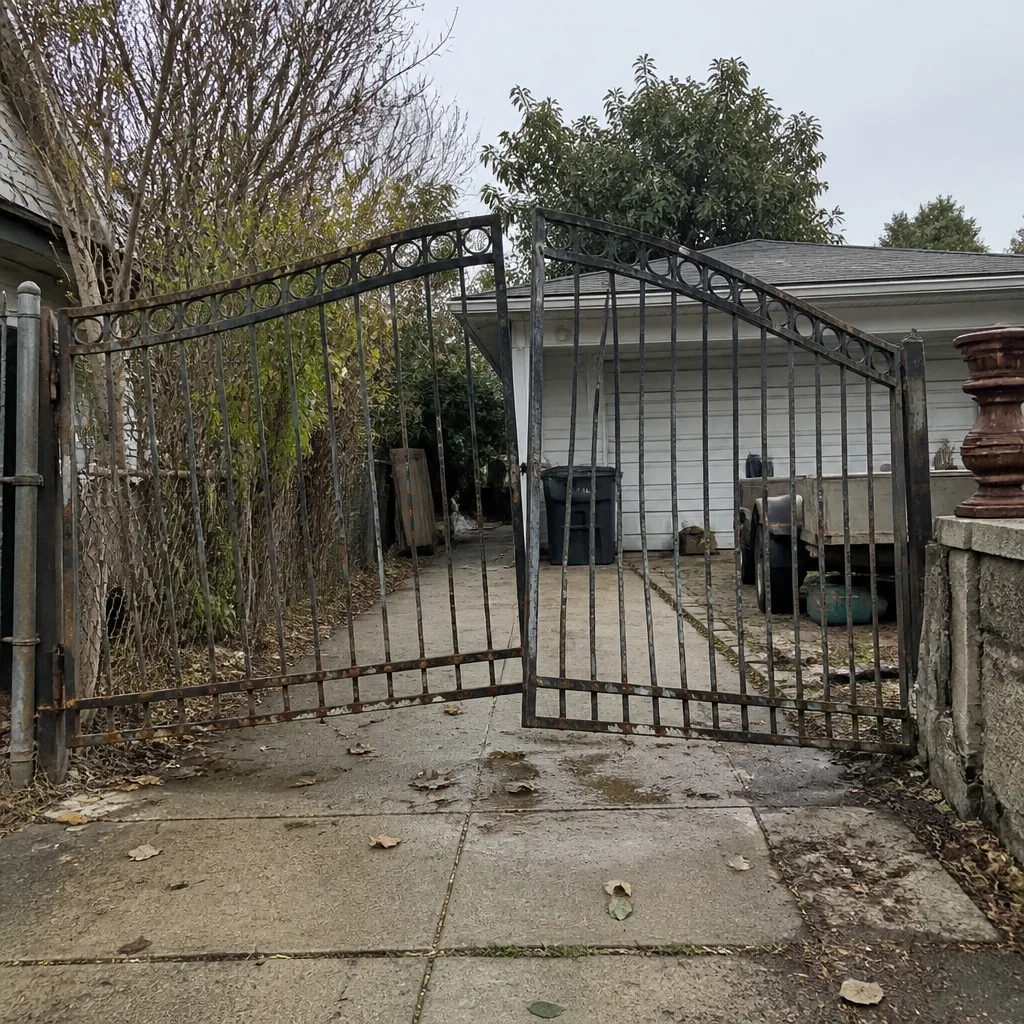 Before
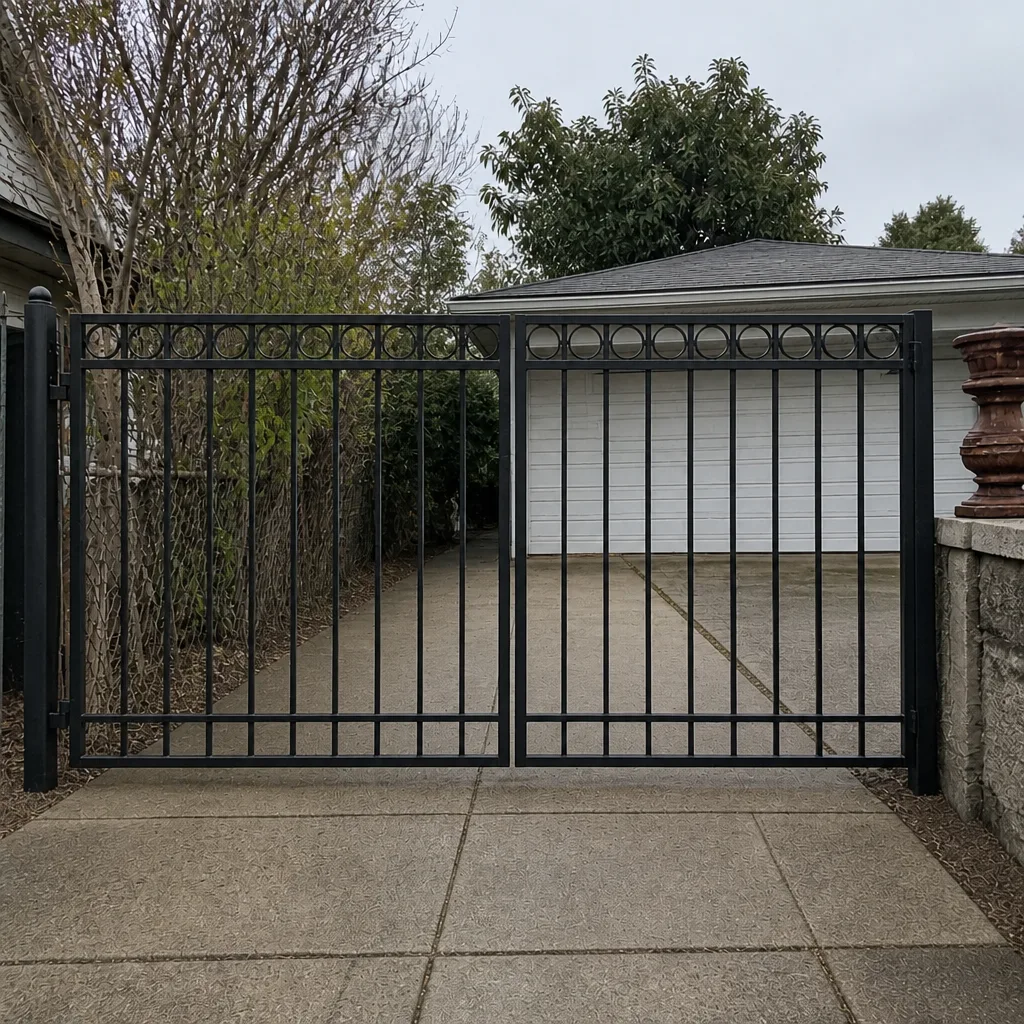 After
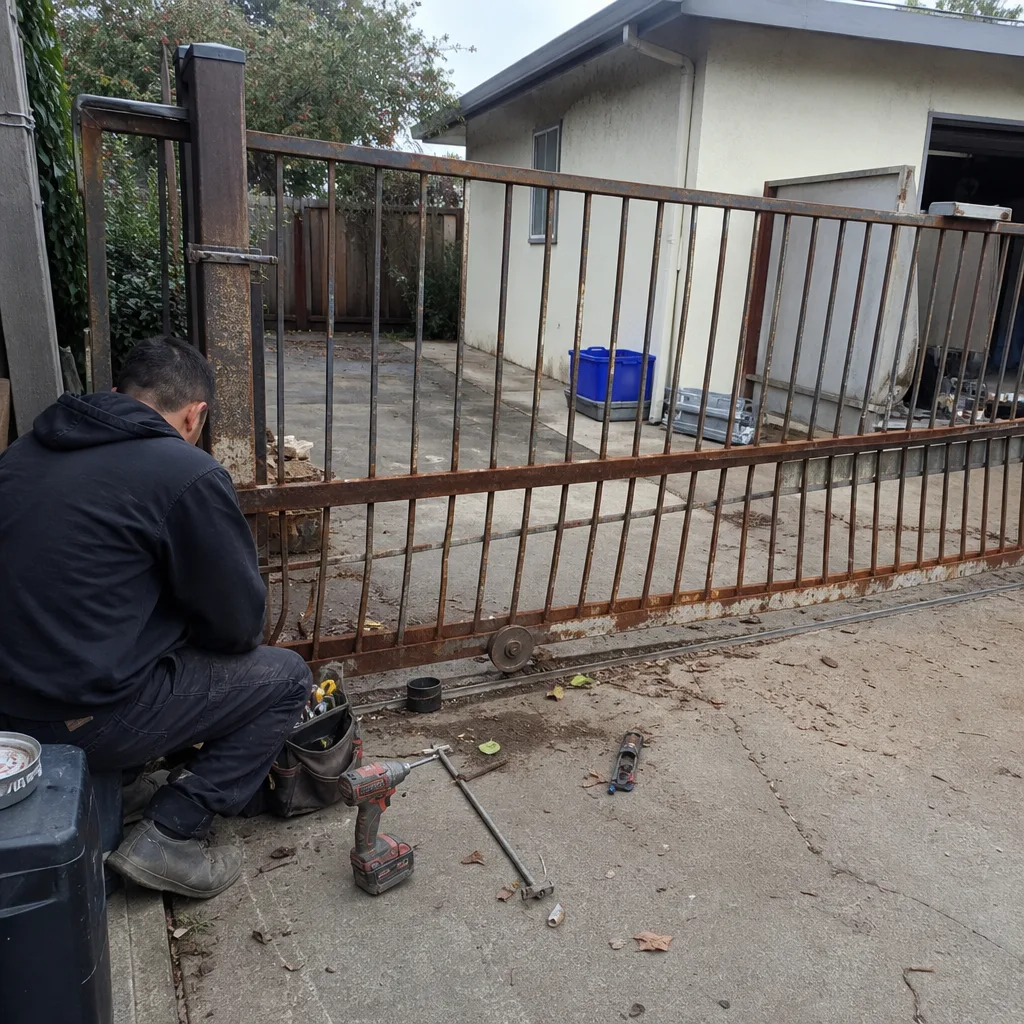 Before
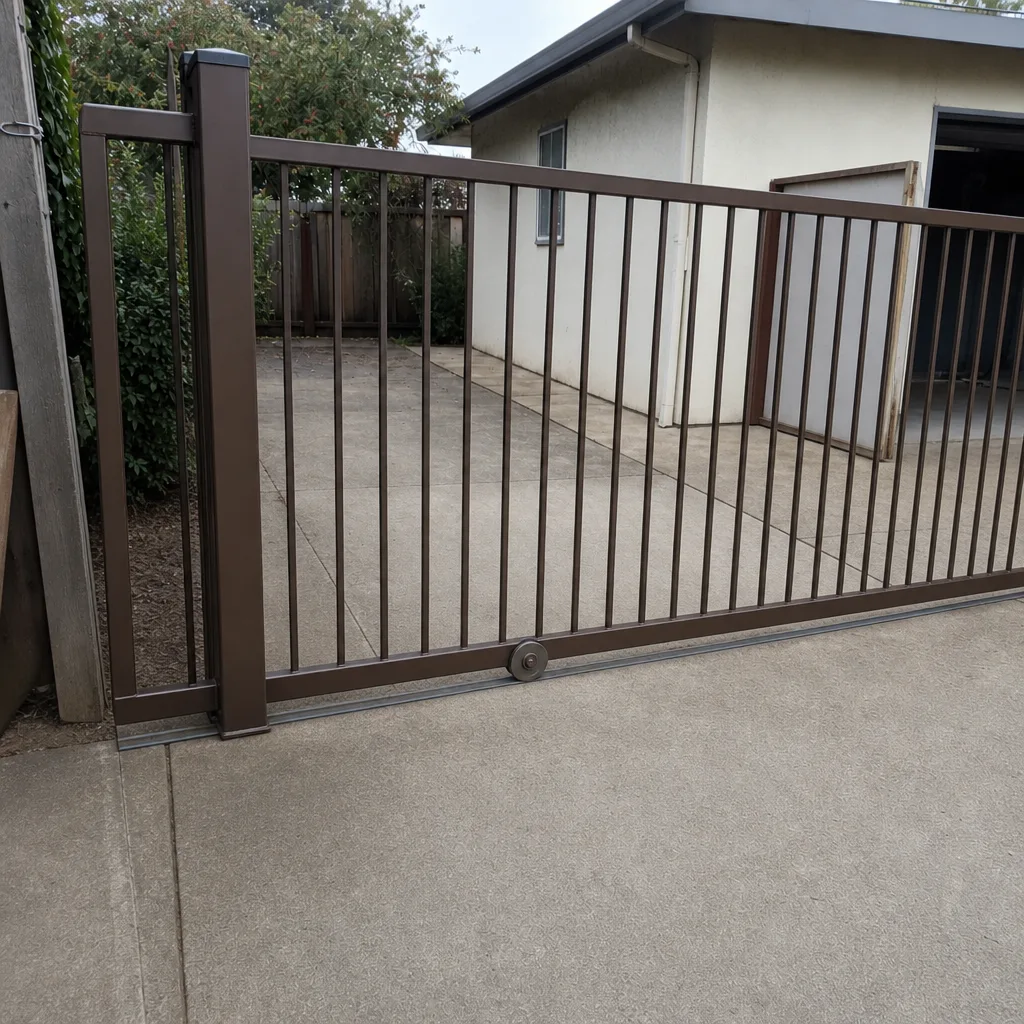 After
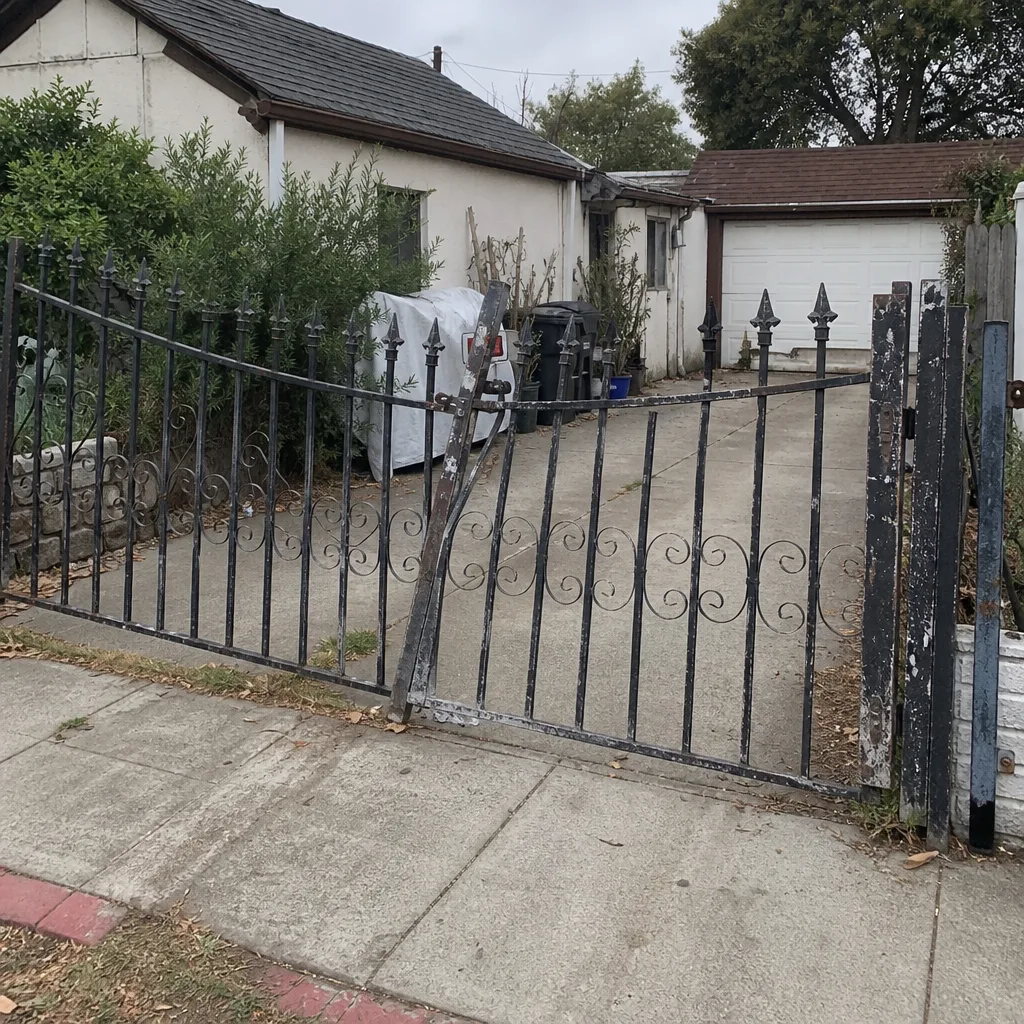 Before
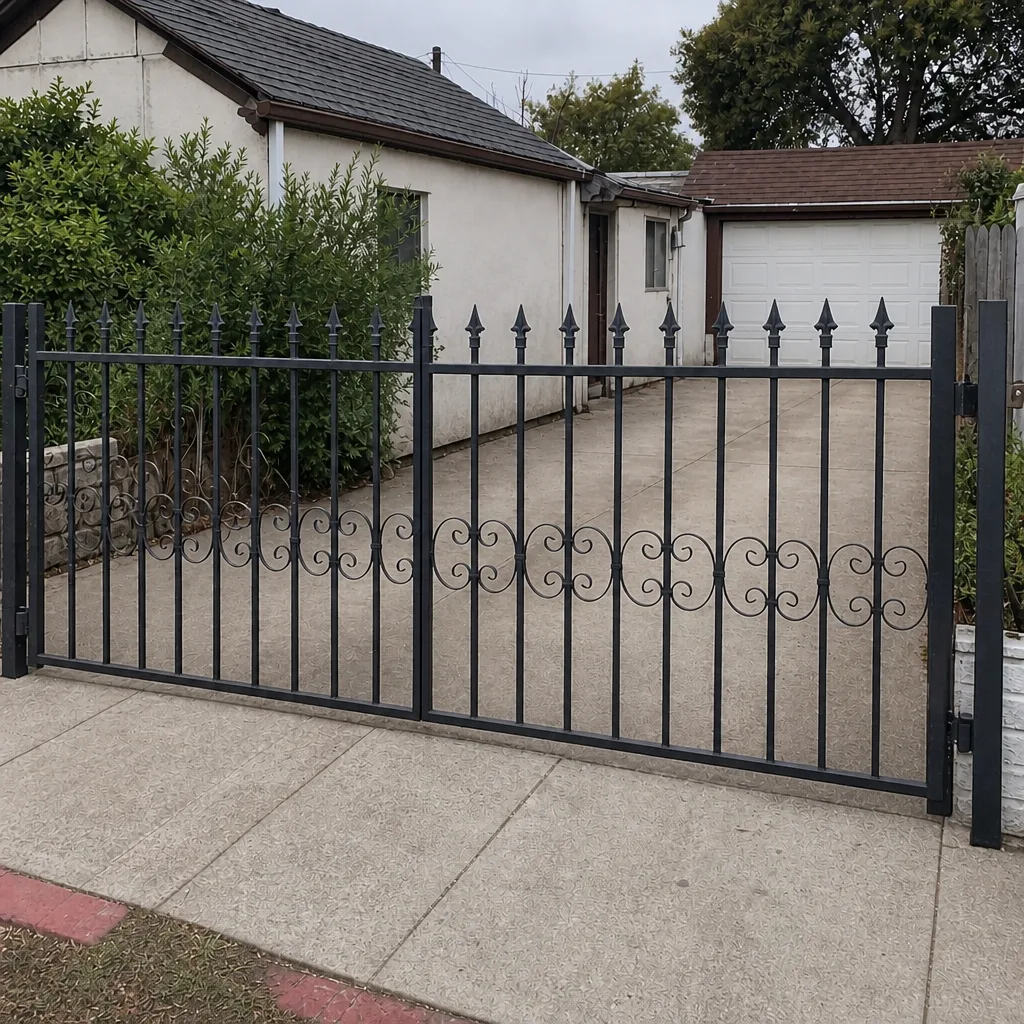 After