
Last updated November 4, 2026
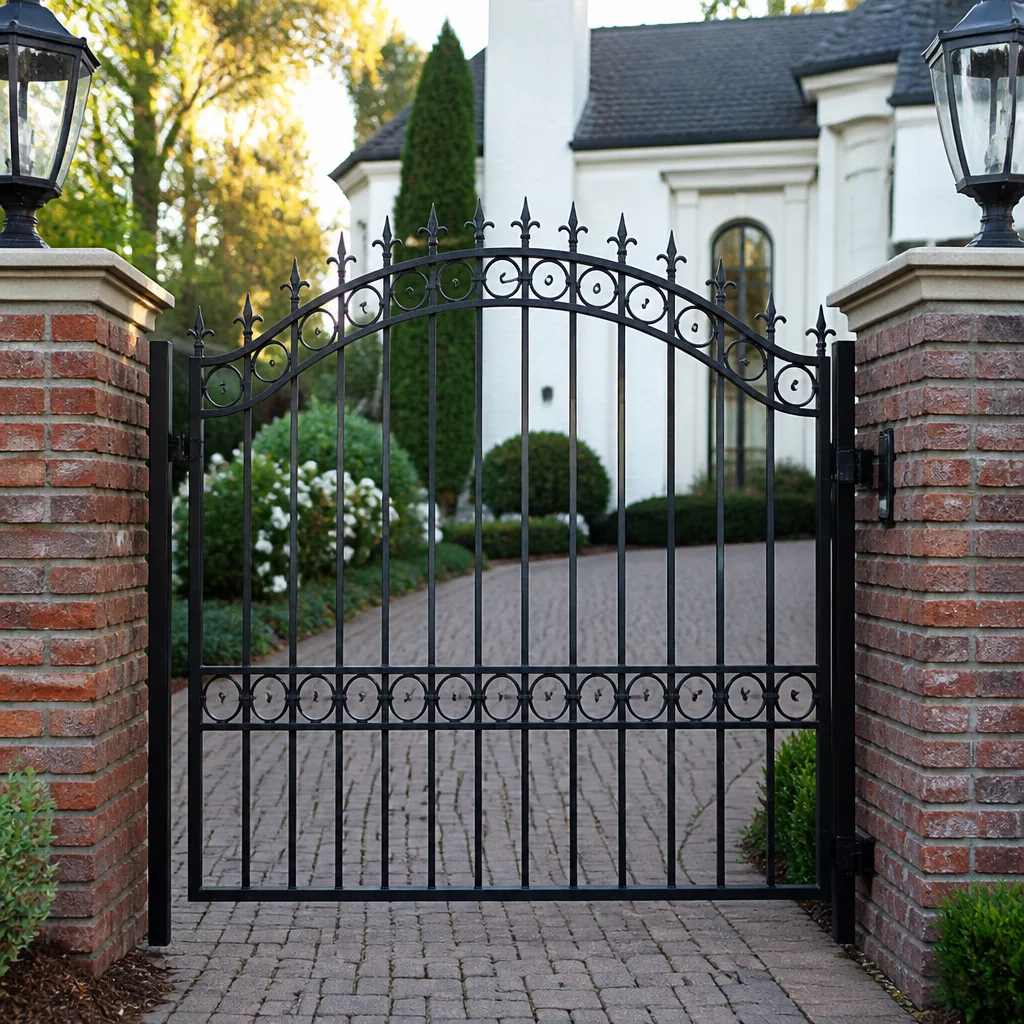 Wrought iron
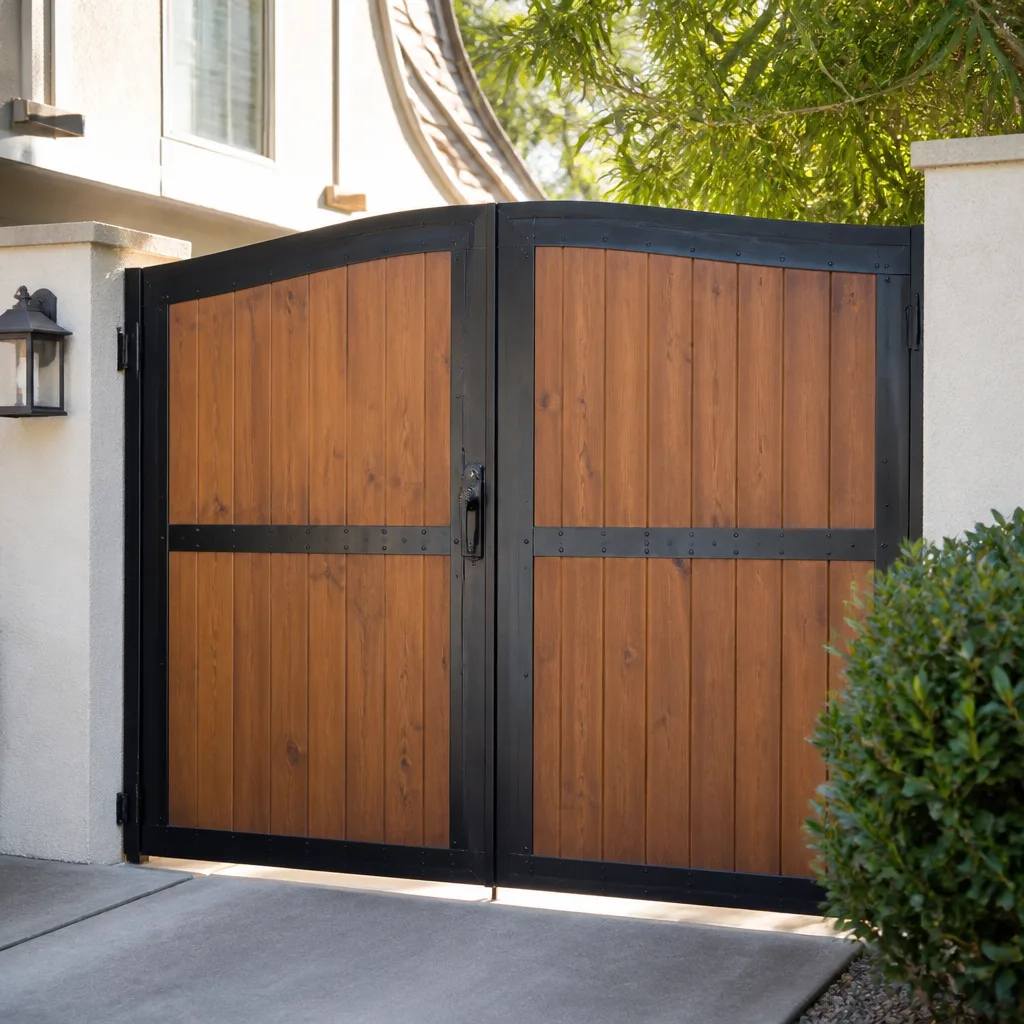 Wood & steel frame
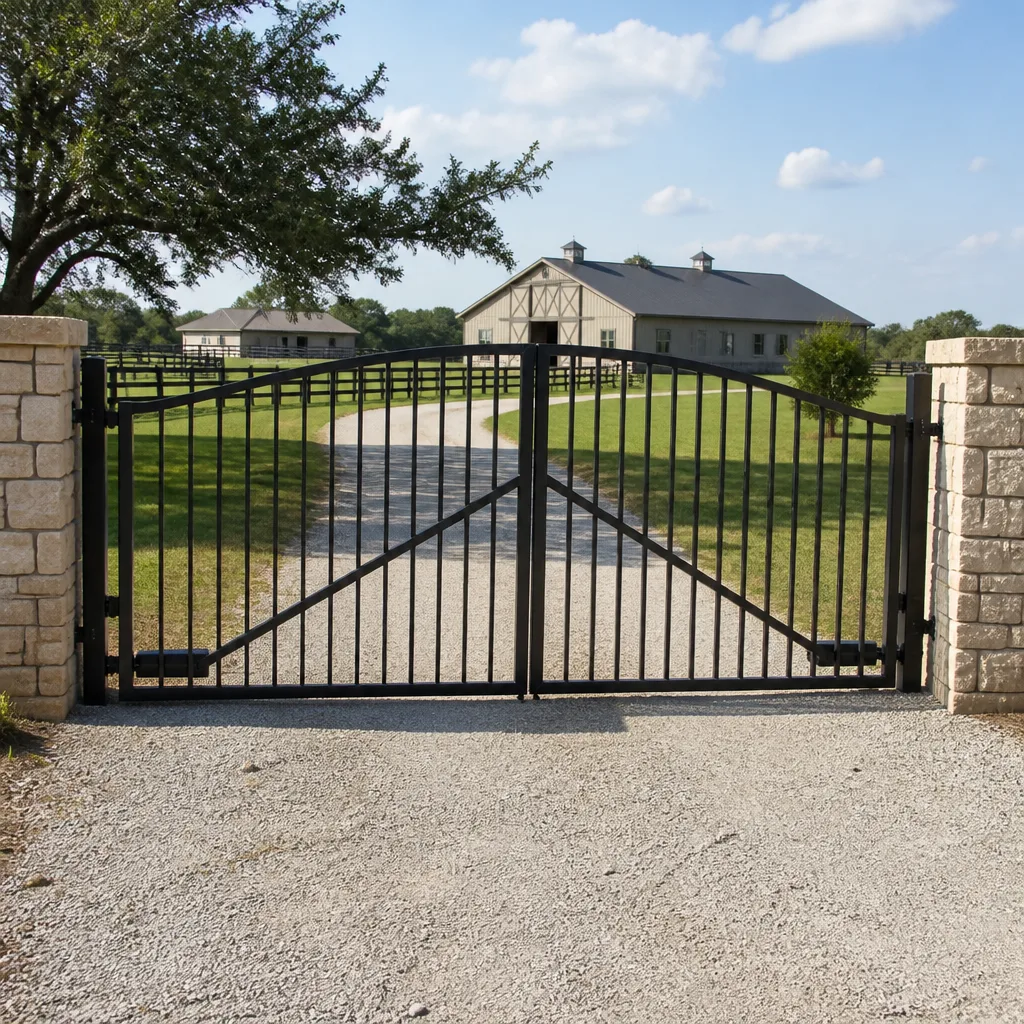 Farm & ranch
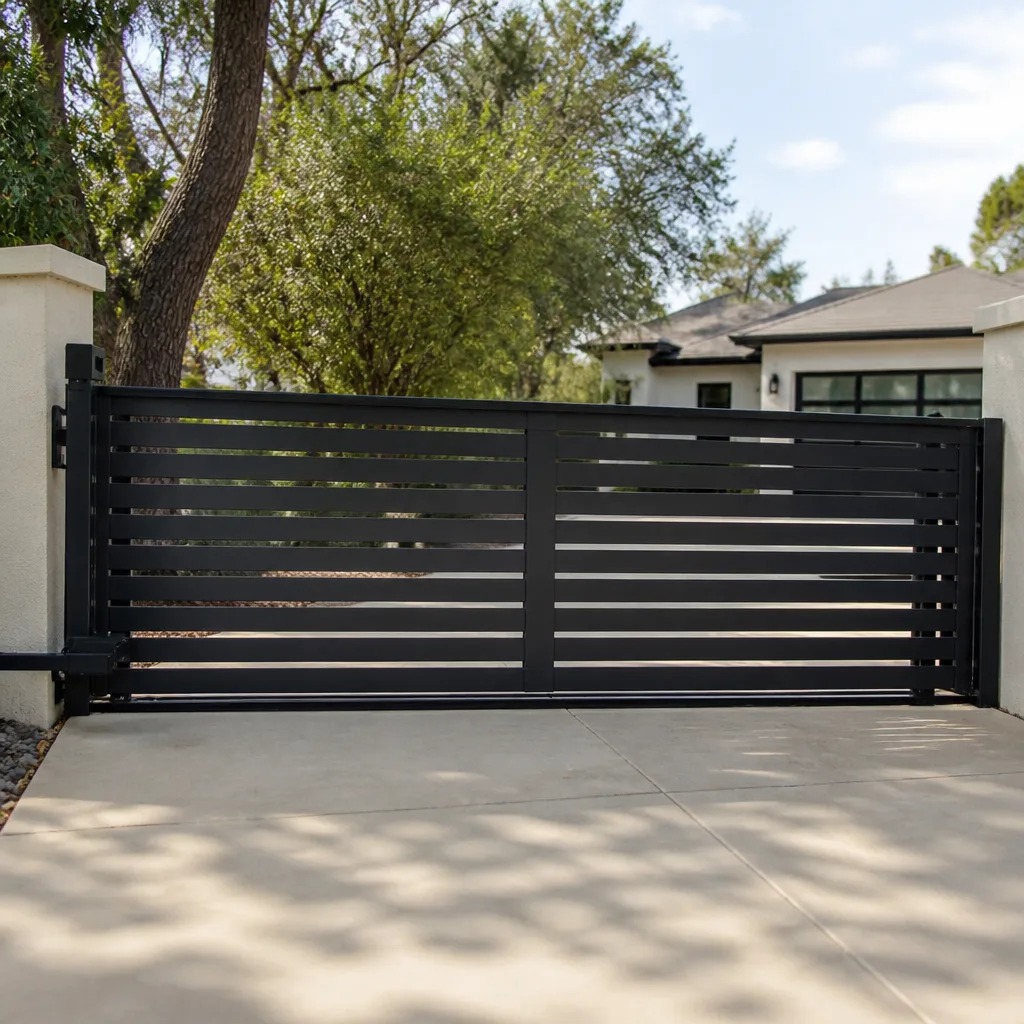 Sliding driveway gates
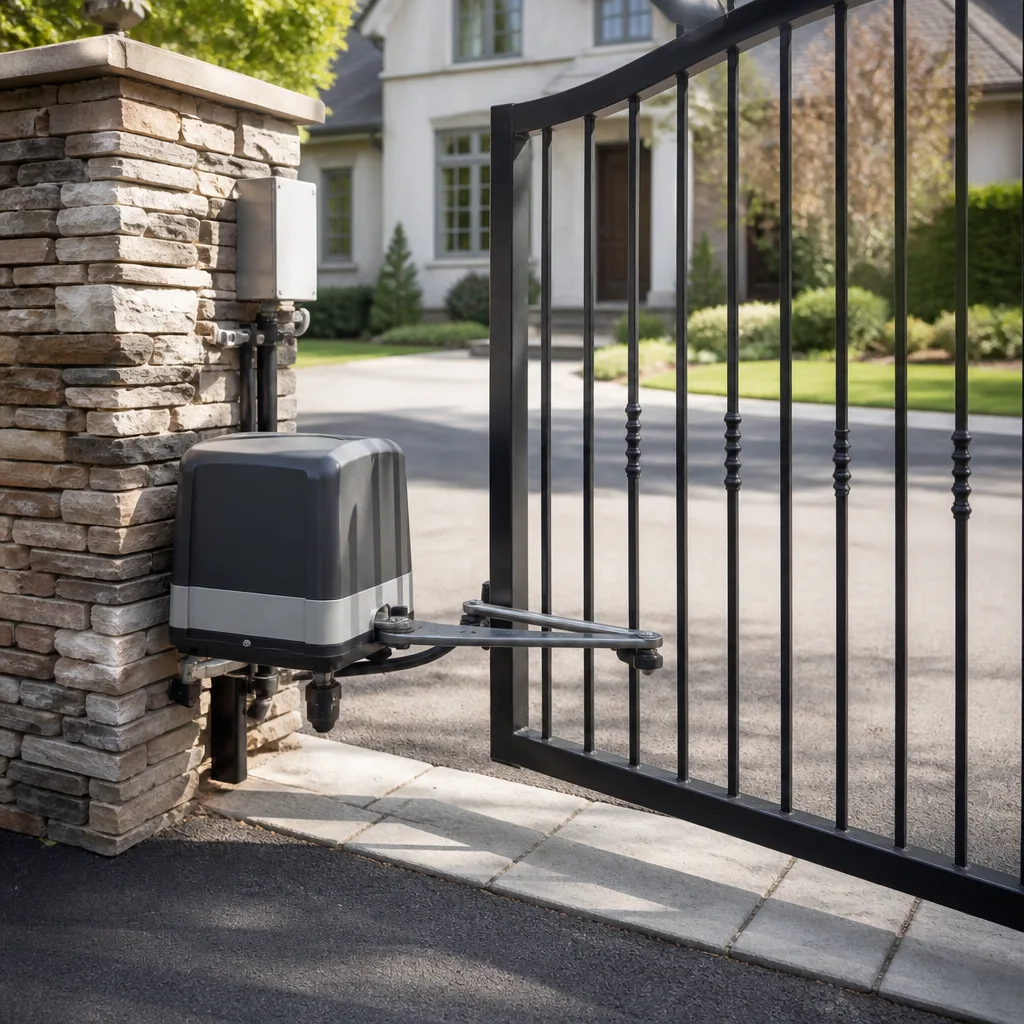 LiftMaster operators
Free on-site gate assessment - hinges, posts, and your LiftMaster or Nice gate operator checked before anything is quoted
The assessment is free and the quote is the invoice.
Get your free estimateChoosing the Right Gate Repair Brand: A Buyer’s Guide for San Jose
Most gate operator brands publish cycle ratings that sound generous until you do the math against your own driveway. A board rating a unit for 10 cycles per day looks acceptable on a spec sheet. But a household of four adults each making two round trips generates 16 cycles before a single delivery or visitor arrives. That operator is at 160% of its rated capacity from the first week. This guide explains how to match an operator brand to your actual duty cycle, which brands have parts available in the San Jose market this week, and which ones turn a simple repair into a waiting game. You will leave with a clear method for choosing a gate operator that holds up under daily use and stays repairable when it eventually fails.
Styles & brands we work with
- Wrought iron
- Wood & steel frame
- Farm & ranch
- Sliding driveway gates
- LiftMaster operators
Quick Answer
The best gate operator brand for a San Jose property is the one sized to your real duty cycle and well-supported by local technicians with parts in stock. For most residential driveways, LiftMaster, Elite, and Mighty Mule offer good support and predictable repair paths in the South Bay. For commercial or high-traffic gates, Viking, DoorKing, FAAC, and BFT are worth evaluating for cycle ratings and access control features. The wrong brand on a high-use gate fails early and waits on parts; the right one runs for years and gets fixed the same day.
Table of Contents
- How to Calculate Your Actual Duty Cycle Before Comparing Brands
- Major Gate Operator Brands Sold in San Jose: Honest Assessments
- Parts Availability as a Purchasing Criterion
- The Local Technician Ecosystem: Why It Determines Repair Cost
- Three Questions That Expose a Margin-Driven Recommendation
- Electric Gate Repair Is Not Mechanical Gate Repair
- Common Mistakes to Avoid
- When to Call a Professional
- Frequently Asked Questions
- The Bottom Line
How to Calculate Your Actual Duty Cycle Before Comparing Brands
Every gate operator has a duty cycle rating, usually expressed as cycles per hour or cycles per day. A cycle is one full open-and-close sequence. Residential operators are often rated for 10 to 20 cycles per day. Commercial operators may be rated for 100 to 500 cycles per day or more. The gap between those numbers matters more than any feature list.
Here is a simple way to calculate what your gate actually needs:
- Count the drivers. Each licensed driver in the household generates roughly two round trips each weekday. Four adults means eight round trips, or 16 cycles.
- Add regular visitors. A weekly landscaper, a housekeeper, a pool service, or a property manager adds anywhere from two to six cycles per visit day.
- Add deliveries and service vehicles. In San Jose, where same-day and next-day delivery is common, two to four delivery vehicles per week is a conservative estimate.
- Add guest access. If you use a keypad, intercom, or phone-based entry for visitors, each guest cycle doubles the count.
- Compare the total to the operator’s rating. If your daily total is close to the rated daily maximum, the operator is undersized. Continuous operation near the ceiling wears out motors, capacitors, and limit switches years ahead of schedule.
We see undersized residential operators on San Jose properties that should have been specified as light-commercial. A sliding gate that serves a multi-tenant property or an ADU behind the main house may easily exceed 40 cycles per day. No residential operator will last long at that pace. Honest dealers run this calculation before recommending a brand. The ones who skip it are often clearing out slow-moving inventory.
Major Gate Operator Brands Sold in San Jose: Honest Assessments
Each of these brands has a real presence in the San Jose market. They are not interchangeable. Here is how they actually differ in the field.
LiftMaster
LiftMaster builds operators across the residential and light-commercial range and has one of the broadest parts networks in the Bay Area. Homeowners with a slide or swing gate often already recognize the brand from garage door openers, which makes it a common request on replacement estimates. The residential swing and slide operators are generally reliable when sized correctly. Weak points include control board sensitivity to low voltage and occasional limit switch drift on older slide units. Parts for LiftMaster gates are usually available same-day from local distributors, which keeps repair downtime short.
Elite
Elite operators are common on custom residential gates in San Jose, especially heavier ornamental steel and wood gates. The brand’s swing-arm and slide operators tend to be durable when installed with proper hinge alignment and a correctly matched arm. Elite’s weakness is variety: part numbers change between generations, and an older Elite control board may not be readily available from every distributor. A technician who regularly works on Elite gates will know which boards interchange and which require factory ordering. For a high-use residential gate with a heavier panel, Elite is a solid choice if parts availability is confirmed before purchase.
Mighty Mule
Mighty Mule dominates the DIY and light-duty segment. Its operators are sold at retail stores and online, and they are often owner-installed on single-family swing gates. The brand’s appeal is low upfront cost and simple wiring. Its weakness in the San Jose market is durability on anything beyond a light panel with moderate use. Solar-powered Mighty Mule systems can struggle with the shade patterns common on heavily landscaped lots. Parts are easy to find, but the repair question is often whether the unit is worth repairing versus replacing. We treat Mighty Mule as a legitimate entry-level option for genuinely light-duty residential use, not for a gate that cycles 20 times a day.
DoorKing
DoorKing is a commercial-grade brand with a long history in access control and high-cycle operators. San Jose property managers and HOA communities commonly run DoorKing slide gates at entrances. The operators are built for continuous duty and handle heavy panels well. The trade-off is complexity. DoorKing boards require a technician who understands access control wiring, loop detectors, and telephone entry integration. Parts are available through commercial distributors, but same-day availability is not guaranteed for every board revision. If the property is a multi-unit building or a commercial lot, DoorKing belongs on the shortlist. For a single-family home, it is usually more machine than needed.
FAAC
FAAC specializes in hydraulic and electromechanical operators, often found on commercial and high-end residential gates. Hydraulic FAAC operators handle very heavy gates and high cycle counts well. The downside in San Jose is parts and service depth. Fewer independent technicians stock FAAC boards and hydraulic components locally, so a failed FAAC system can mean waiting days for ordered parts. FAAC makes excellent equipment, but it is a better choice for a property that can tolerate occasional repair lead time or has a service contract with a company that stocks the brand.
BFT
BFT is an Italian brand with a strong presence in the automated gate market. Its operators are common on newer residential communities and commercial installations in the South Bay. BFT equipment is generally well built and supports a wide range of access control options. The challenge is similar to FAAC: not every gate repair company in San Jose carries BFT boards, remote controls, or replacement arms. Before choosing BFT on a residential job, ask who will service it. If the answer is one dealer across town with a five-day parts lead, that decision will cost you every time the gate stops.
Viking
Viking is best known for access control and telephone entry systems, widely installed at gated communities and apartment complexes. Viking equipment integrates with a variety of gate operators, and its boards are reliable in the field. From a repair standpoint, Viking systems require a technician who understands both the access control side and the operator side. Parts availability in San Jose is acceptable through security and access control distributors, but Viking is less commonly a full gate operator source than a controller brand. If your property uses Viking telephone entry, keep a local technician on hand who can troubleshoot that interface without replacing components blindly.
Parts Availability as a Purchasing Criterion
Every gate operator will eventually need a circuit board, a limit switch, a capacitor, or a replacement arm. What happens when that part fails is determined by where the part comes from and who has it locally. This should be a primary buying criterion, not an afterthought.
In the San Jose and South Bay market, parts availability breaks down into three tiers:
- Same-day or next-day local stock: LiftMaster and many Elite and DoorKing common components are stocked by Bay Area distributors. A repair company that works with these brands can often get parts the same day and have the gate running within 24 hours.
- Two-to-three-day regional stock: Some BFT and Viking boards and accessories sit in regional warehouses. The part is obtainable, but the gate stays out of service while it ships.
- Five-to-seven-day factory order: Certain FAAC hydraulic components, older DoorKing revisions, and generation-specific Elite boards must be ordered from the manufacturer. That is a week of downtime, assuming no freight delays.
Before you buy an operator, ask this question: “If the control board fails, where does the replacement come from and how long does it take?” If the answer is vague, the brand is not well-supported in this market. A gate operator that cannot be repaired quickly is a liability, not an asset. A homeowner in the Blossom Valley area who relies on gate automation for daily entry does not want to hear that the part ships from a warehouse in another state.
The Local Technician Ecosystem: Why It Determines Repair Cost
Some gate operator brands are well-supported by multiple independent technicians across San Jose. Others are practically proprietary, meaning only one or two companies in the area stock parts and know the platform inside out. That difference shows up directly in repair quotes and response times.
When multiple independent repair companies can service a brand, pricing stays competitive and parts stay on local shelves. When a brand is supported by a single dealer, that dealer controls the repair path. You will pay their rates and wait on their schedule. There is no second opinion.
Here is what we mean by a supported brand versus an unsupported brand in the San Jose market:
- Well-supported brands: LiftMaster, Elite, Mighty Mule, DoorKing. Multiple distributors and independent repair companies carry parts and know the electronics. Diagnostics are faster because the brand is common enough that a technician sees the failure pattern regularly.
- Partially supported brands: BFT, Viking. Parts are available but not always same-day, and not every repair shop is comfortable with the access control side.
- Thinly supported brands: FAAC and certain specialty or imported operators. The equipment can be excellent, but repair support is concentrated in a small number of companies, and replacement parts are often ordered, not stocked.
The brand you choose is only as good as the repair ecosystem behind it. A durable operator with no local parts is less useful in San Jose than a mid-tier operator that a technician can have running the same afternoon. When we perform gate repair across San Jose, the difference between a one-hour fix and a week-long wait usually comes down to whether the brand is represented in local parts inventory.
Three Questions That Expose a Margin-Driven Recommendation
Every dealer has margins. The honest ones recommend an operator based on your use case and then tell you the margin story plainly. The rest reverse the process: they pick the brand that pays them best and then build a justification around it. Here are three questions that separate the two.
- “What duty cycle did you calculate for my property?” A competent dealer should be able to show you the math from Section 1. If they cannot or will not, they are likely not sizing the operator to your gate at all. A spec-sheet-driven pitch always skips this step because it rules out cheaper units that would otherwise close the sale.
- “Where do replacement parts for this brand come from, and how long would a board replacement take?” A dealer who works with the brand will answer with specific distributors and time frames. A dealer protecting a margin will deflect. This single question tells you more about future downtime than any feature comparison.
- “If I didn’t buy from you, who else in San Jose could service this brand?” If the dealer says no one, that is a red flag, not a selling point. It means every future repair, at every future price, runs through them. A brand with a healthy service ecosystem gives you options. Exclusivity is rarely in the customer’s interest.
We recommend asking these questions during the estimate. A dealer who answers directly is worth working with. A dealer who gets uncomfortable is telling you something useful about how the recommendation was made.
Electric Gate Repair Is Not Mechanical Gate Repair
The distinction between a gate that swings on hinges and a gate that runs on electricity is the difference between general mechanical work and specialized automation repair. Mechanical issues involve hinges, wheels, track alignment, and physical panel damage. Electric gate issues involve control boards, wiring, safety loops, photo eyes, keypads, and the operator itself.
San Jose properties increasingly use electrified operators with remote controls, intercoms, or vehicle detection loops. When those systems fail, the gate may not respond to a transmitter, may reverse unexpectedly, or may sit dead while the motor hums. A general repair crew that handles fences and hinges will not carry spare control boards or know how to trace a low-voltage short across a buried loop wire. An electric gate repair specialist does. The difference shows up in the first visit: one crew identifies the fault in minutes, the other swaps parts until something works.
If your property relies on automated access, choose an operator brand whose electronics are understood by the people you will call when it fails. That is as important as the motor and the arm. A gate is only useful when it opens.
Common Mistakes to Avoid
- Buying by brand reputation alone. A commercial brand known for durability may be overkill for a light residential gate, while a residential brand may be completely wrong for a multi-tenant property. Reputation without duty-cycle context is just marketing.
- Ignoring parts lead times. A premium operator with no local parts support becomes a week-long headache the first time a board fails. Ask about parts availability before you buy, not after the gate stops moving.
- Under-sizing the operator to save money. An operator rated for 10 daily cycles will fail faster when your driveway needs 25. The savings disappear the first time the motor burns out.
- Over-sizing every residential gate. A 500-cycle commercial DoorKing on a single-family driveway is not automatically better. It costs more, draws more power, and may require service from a commercial access control company.
- Choosing a brand with no local service ecosystem. A brand serviced by one dealer in San Jose leaves you dependent on that dealer’s availability and pricing. Supported brands give you options.
- Treating all gate repair companies as equivalent. A company that works on nine operator brands, including LiftMaster, FAAC, BFT, Linear, Viking, Ghost Controls, DoorKing, Elite, and Mighty Mule, brings pattern recognition that a brand-agnostic handyman does not have. The right technician recognizes the failure before taking the cover off.
When to Call a Professional
A noisy gate, a jerky start, or a remote that only works at close range are early signs of operator strain. If the gate reverses without command, blows a fuse repeatedly, or trips a breaker, stop using it and call a technician. These symptoms can point to failing safety edges, a short in buried wiring, or a control board that is about to die. Forcing the gate to operate through these warnings risks a panel coming off its track or a motor burning out entirely. If the gate is automated, panel weight and moving parts make repair a job for someone who understands the whole system, not just the hinge side. Gate Repair Blossom Valley offers free estimates in San Jose; call (877) 358-4473 and we will diagnose the problem on-site and quote a written price.
Frequently Asked Questions
The best brand depends on duty cycle and local parts support. LiftMaster and Elite are well-supported for residential gates in San Jose, while DoorKing and Viking are common on commercial and access-controlled properties. Match the brand to your cycle count and confirm parts availability before you buy. Call (877) 358-4473 for a free estimate and a brand recommendation based on your actual use.
Count the number of full open-and-close cycles your gate performs in a day, including drivers, visitors, deliveries, and service vehicles, then compare that total to the operator’s rated cycles per day. A household of four adults often generates 16 or more cycles daily, which exceeds many light-duty residential operators. Ask your installer to run this calculation during the estimate.
LiftMaster and many Elite and DoorKing common components are typically available same-day or next-day from Bay Area distributors, while some BFT and FAAC parts require ordering and can take up to a week. Before choosing a brand, ask where its control boards and common wear parts are stocked. For gate repair in San Jose, parts proximity is often the difference between a same-day fix and a long wait.
Only if your residential gate sees commercial-level traffic, such as a multi-tenant property, a home office with frequent visitors, or a shared driveway serving an ADU. Commercial operators cost more and often require access control expertise. A properly sized residential operator is usually the better financial choice.
Parts availability determines how fast the gate can be repaired when something fails. A brand with local stock can often be repaired the same day, while a brand with factory-order-only parts can leave the gate inoperable for a week. This is a primary purchasing criterion in the San Jose market.
We work on gates and operators across a wide range of brands because our technicians carry diagnostic experience from LiftMaster, FAAC, BFT, Linear, Viking, Ghost Controls, DoorKing, Elite, and Mighty Mule. If your brand is less common, we will still assess the system and give you an honest repair or replacement recommendation. Contact Gate Repair Blossom Valley and we can tell you what your system needs.
The Bottom Line
Choosing a gate operator brand for a San Jose property comes down to three factors: actual duty cycle, parts availability in the South Bay, and the local technician ecosystem that will service the gate for the next decade. Marketing specs do not open gates. A correctly sized operator with stocked parts and an experienced independent repair base keeps your access working year after year. Run the cycle math first, ask the three dealer questions second, and choose the brand that survives both tests. Call (877) 358-4473 for a free estimate, and we will help you size, select, and install the right operator for your property.
Written by the team at Gate Repair Blossom Valley, serving San Jose since 2015.
See the difference
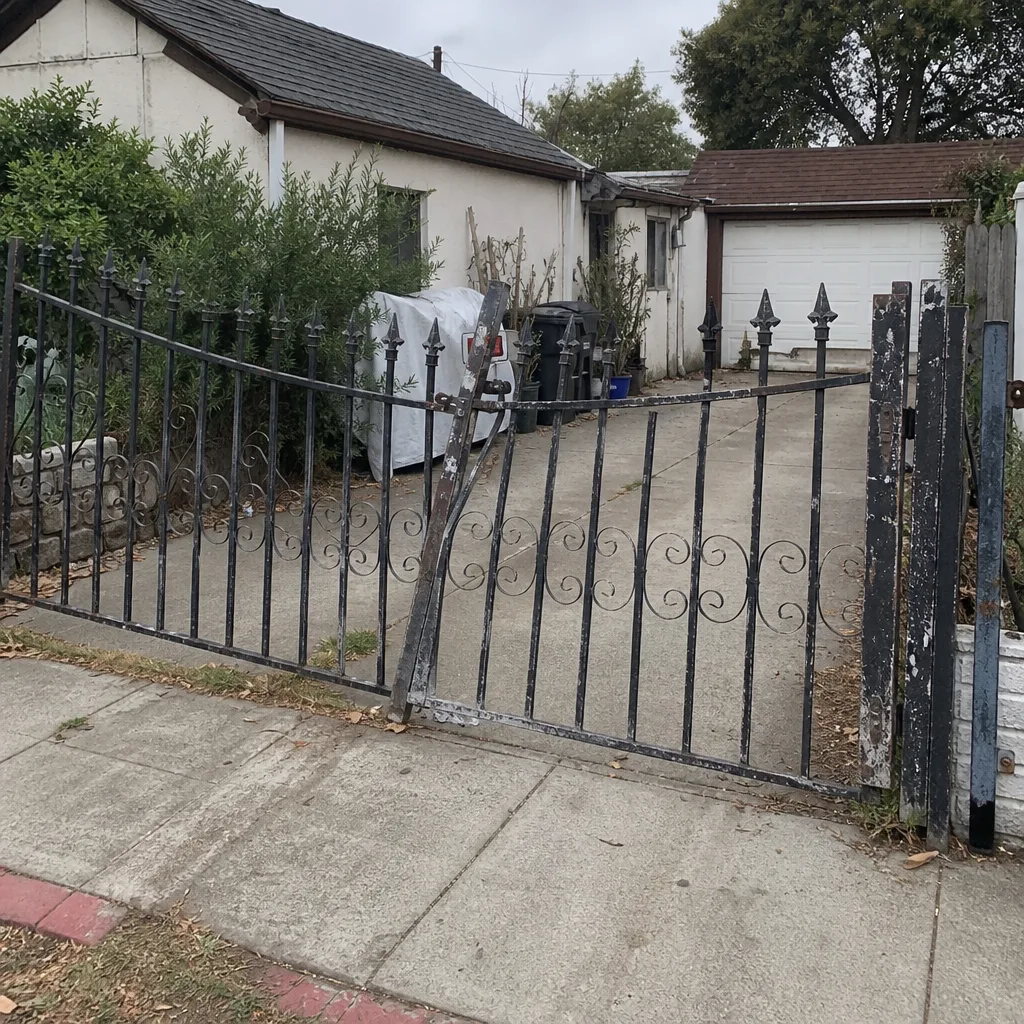
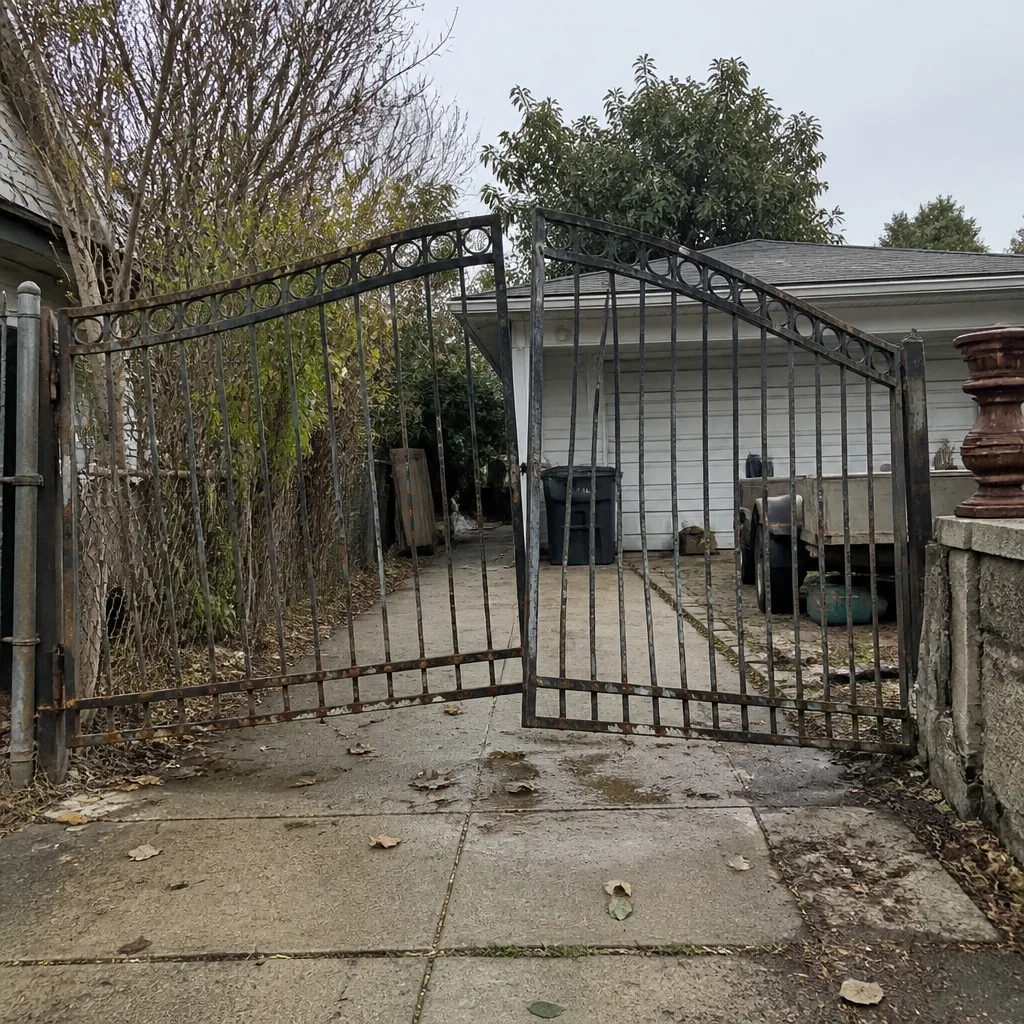 Before
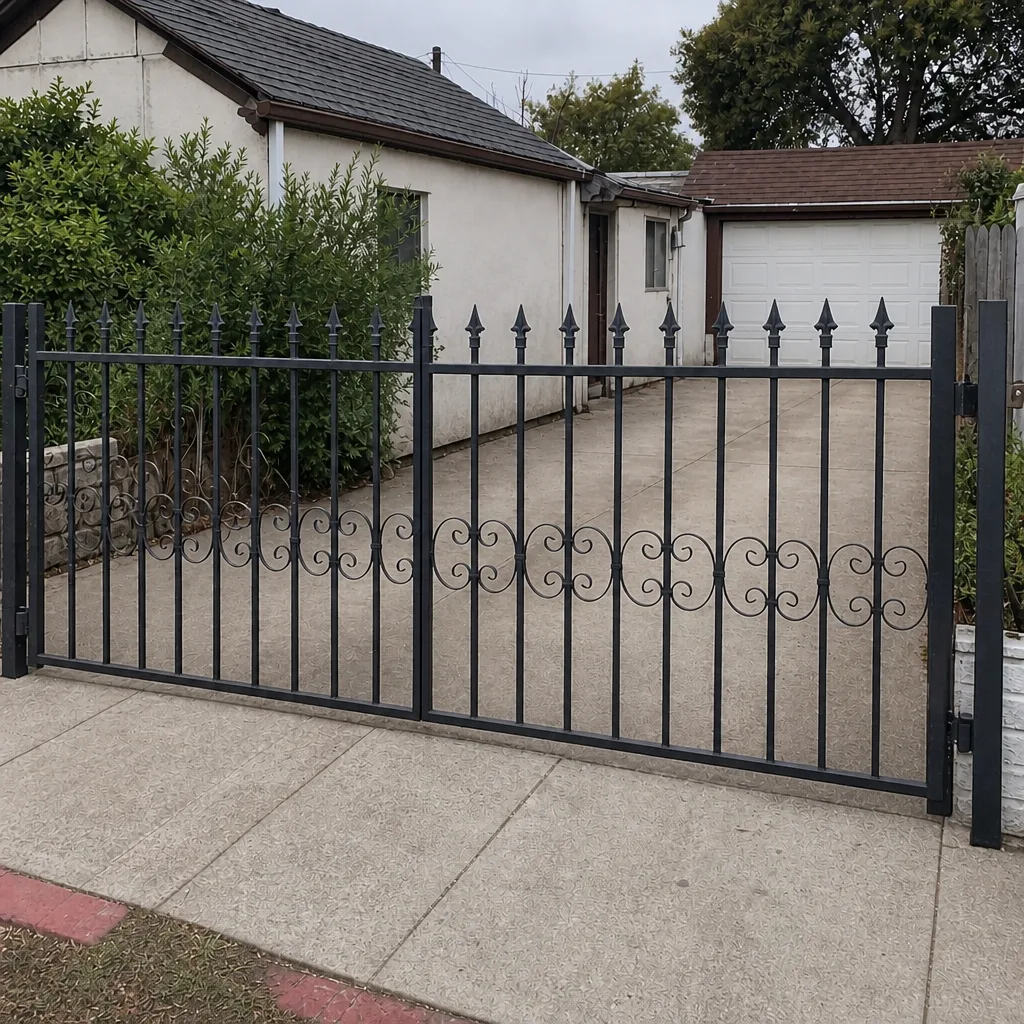
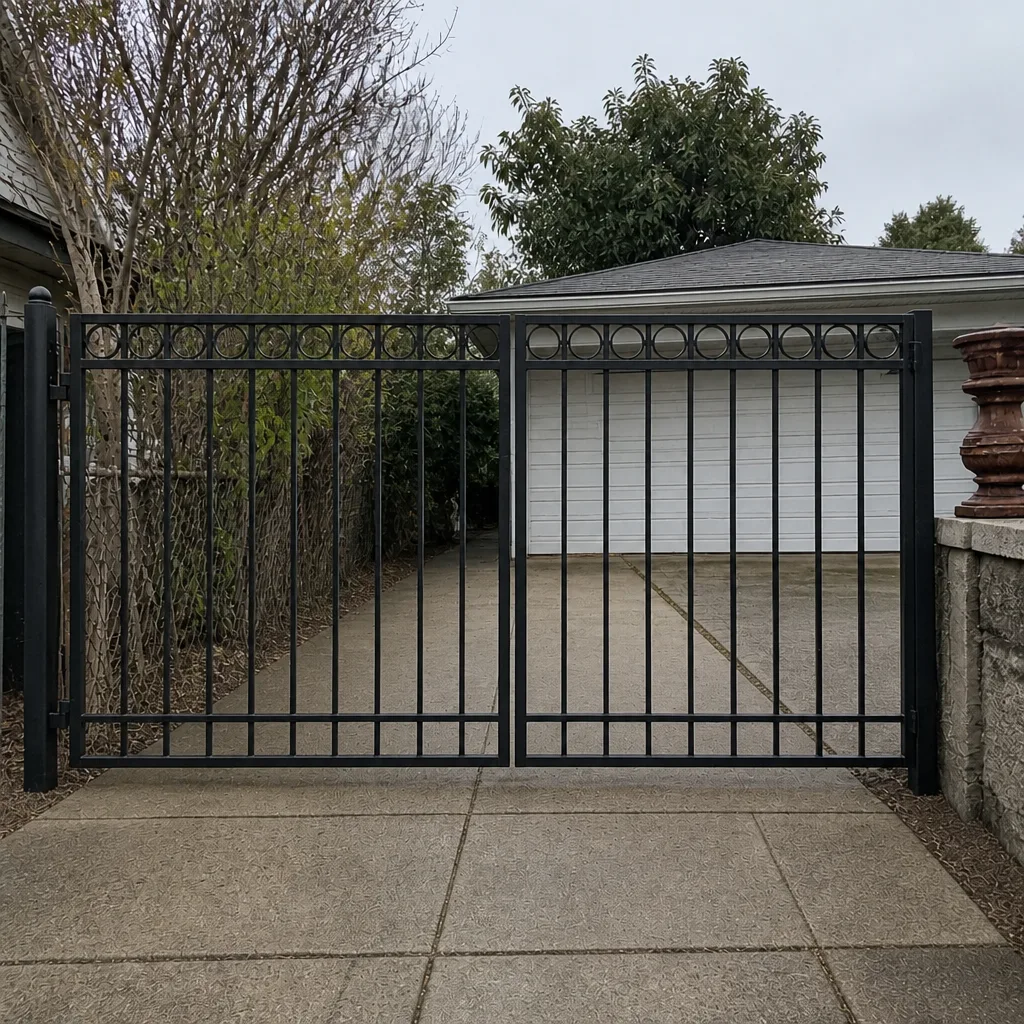 After
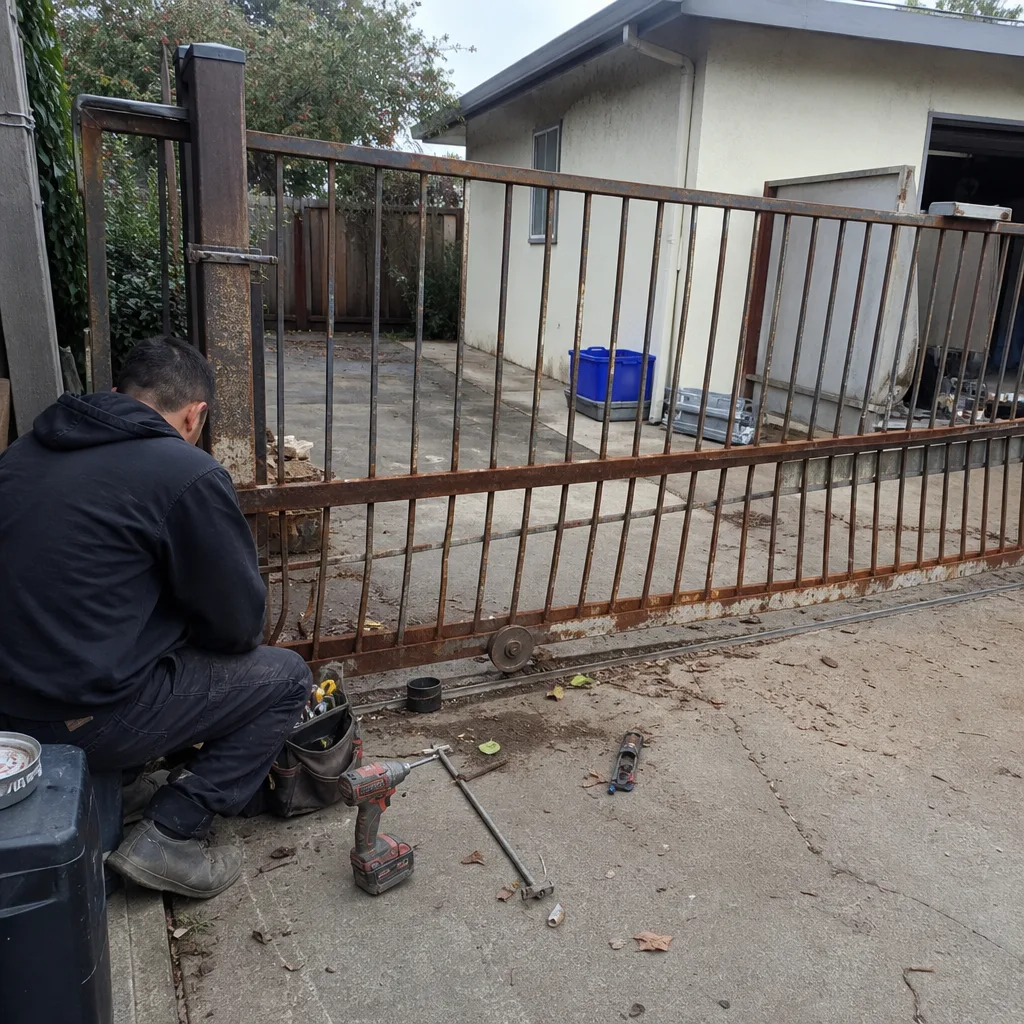 Before
 After
 Before
 After